I am afraid of falling: how can I keep a choice in being active?
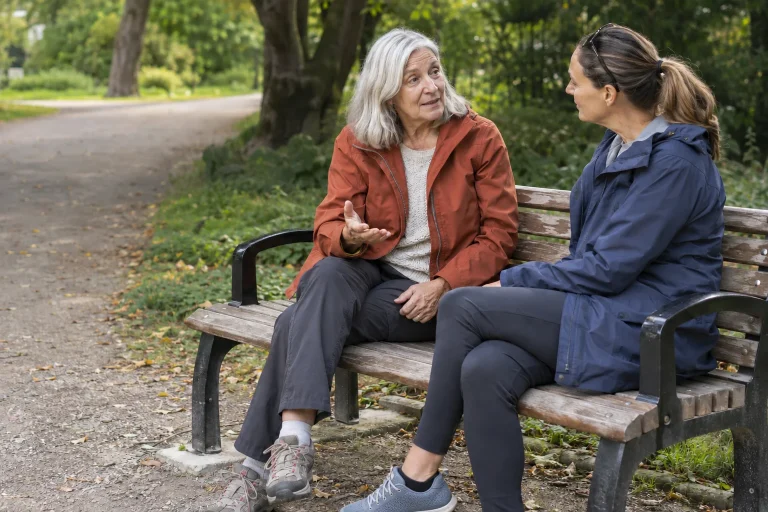
Worry, physical symptoms and the environment are separate questions. Keep your own say in choosing the location, company and appropriate help for being…
352 articles · one running community
Worry, physical symptoms and the environment are separate questions. Keep your own say in choosing the location, company and appropriate help for being…
An incident can matter even without reaching the ground, especially if unsteadiness is new or repeated. Factual observations, immediate safety and the limits…
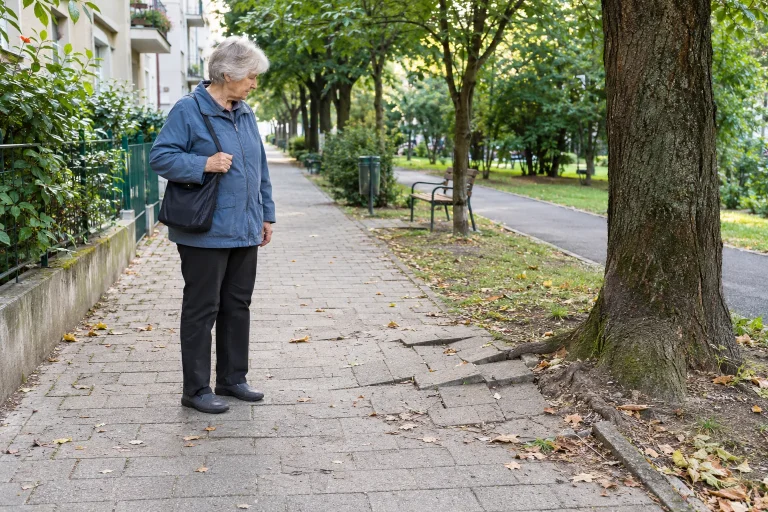
A damaged surface, crossings, lighting or a new feeling of unsteadiness? Break the pavement problem into specific details and plan an alternative that…
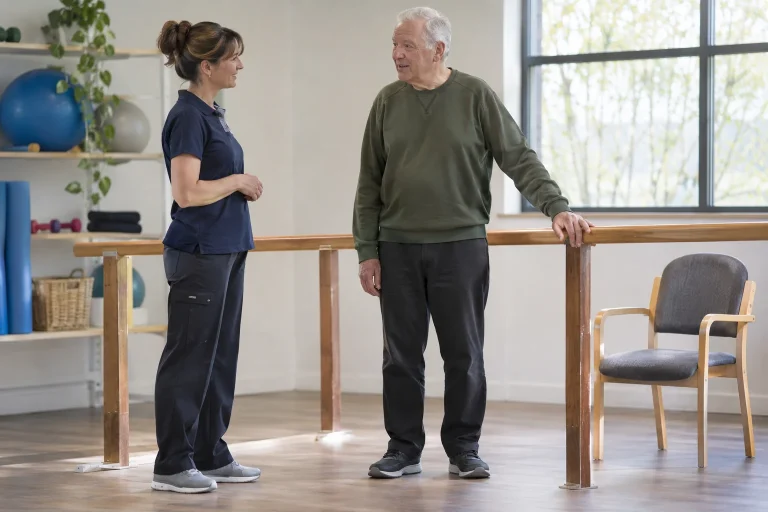
Distance covered does not describe turning, orientation or new unsteadiness. Understand the different roles of endurance and balance, and describe your own experience…
Past running experience can reveal enjoyment and useful habits. Today’s routes, equipment, schedule and starting level of activity need fresh understanding, however.
Walking can be a goal in its own right and a source of current experience. A route you can shorten, comfortable organisation and…
History, current function and surroundings matter alongside birth year. Focus on personal goals and observations rather than pressure to match age-group performances.
Recommendations for ages 55–64 and 65 and over share much common ground. Understand differences involving balance, falls history and your personal starting point.
Current walking comfort, previous falls, treatments and your own goal all matter. Prepare a short, useful note for an individual discussion about activity.
Insomnia can develop despite regular running. Sleep opportunity, persistent symptoms and other sleep disorders are separate questions; CBT-I involves more than simple evening…
An evening urge to move is not necessarily a post-training muscle problem. Recognise characteristic patterns, seek individual assessment and avoid independent experiments with…
A good race result does not establish normal breathing at night. Recognise warning patterns, understand assessment options and the limits of interpreting running…