A tendon acting as a spring: how can it save energy without making running passive?
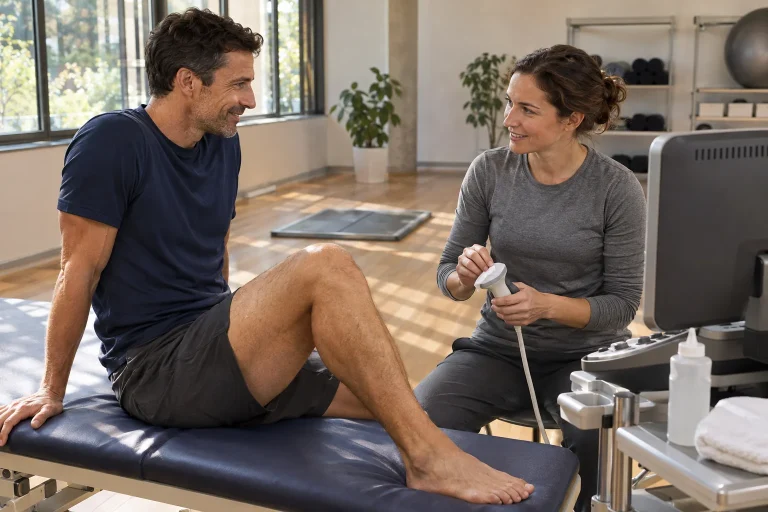
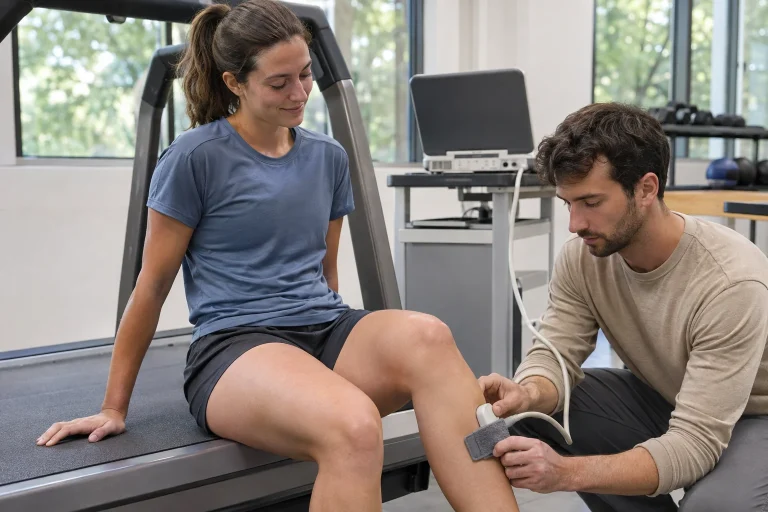
Tendons can store and return energy while muscles remain active. Ultrasound studies and original examples distinguish fibres, tendons and the complete unit.
Clear training principles, technique guides and a thoughtful approach to building training load.
140 articles · one running community
Tendons can store and return energy while muscles remain active. Ultrasound studies and original examples distinguish fibres, tendons and the complete unit.
The whole-leg spring, Achilles tendon and track stiffness are different quantities. Original calculations and research distinguish model data from tissue characteristics.
Video can measure trunk rotation, but viewpoint and reference matter. Specific research and original examples clarify correlation, agreement and peak-angle differences.
From moment to power and from power to work: original calculations help you read running-biomechanics graphs and distinguish them from muscle energy demand.
Deceleration and acceleration can occur within a steady kilometre pace. Original impulse, energy and drag examples explain horizontal running mechanics.
The area under a curve tells you more than a single force peak. An original step model explains the relationship between vertical impulse,…
The difference between 30 and 240 fps in milliseconds: calculating contact time, selecting events, blur and aligning a video's time base with a…
Peak force is a magnitude; loading rate is a slope. Original calculations, units and actual studies help you read a running force–time curve…
Several calculations connect phone images to muscle forces. OpenCap, inverse dynamics, an original torque example and data-handling questions clarify AI movement models.
Why can the same knee look farther inwards in another running video? Explore perspective, movement planes, an original geometry example and a repeatable…
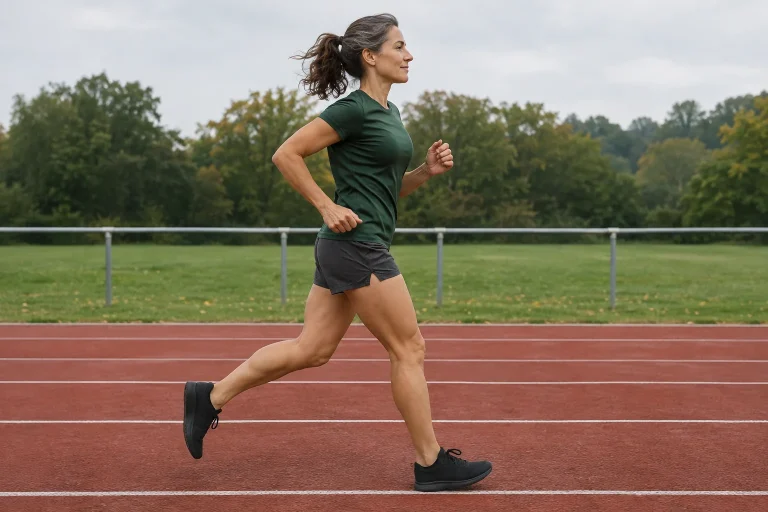
Which knee angle does a running video show? Camera position, frame rate, landmark selection and worked examples help you interpret side-view measurements.
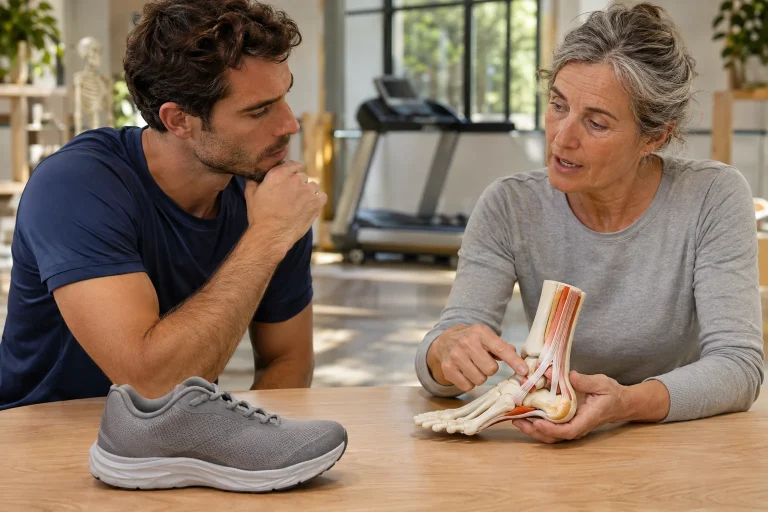
Shoe-heel tilt, three-dimensional foot movement and individual symptoms are separate questions. Research helps you read rear-view running video more precisely.