Heel, midfoot or forefoot: foot strike is not a quality rating
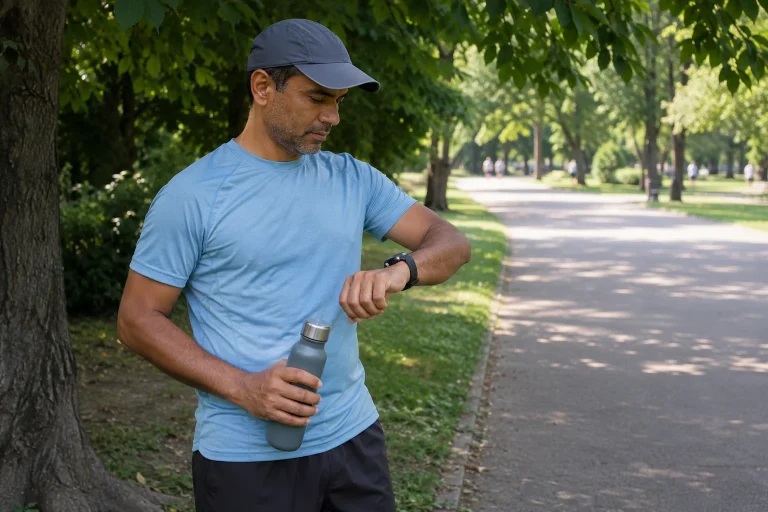
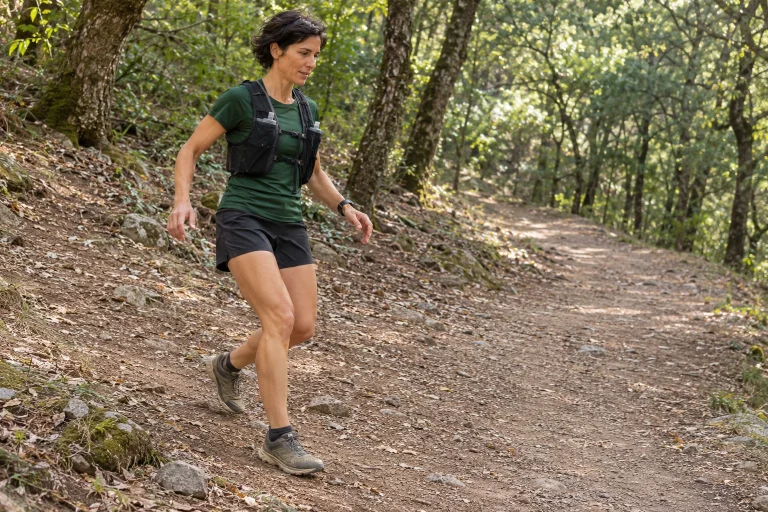
Foot-strike categories describe first contact, not your whole technique or injury risk. Understand load redistribution, research methods and the reasons for any deliberate…
Clear training principles, technique guides and a thoughtful approach to building training load.
140 articles · one running community
Foot-strike categories describe first contact, not your whole technique or injury risk. Understand load redistribution, research methods and the reasons for any deliberate…
Make running drills understandable and purposeful. Explore coordination, simple cues, suitable variations and feedback without treating a drill list as a guarantee of…
Tapering aims to reduce accumulated fatigue while retaining useful preparation. Understand its main variables, avoid catch-up training and leave space for familiar routines…
Understand strides as a small, purposeful running task. Build speed gradually, leave room to slow down, recover between efforts and avoid chasing brief…
Missed training is not a debt. Separate time constraints, illness, injury and a stalled routine, then plan from your current condition and the…
Heat adds demands that fitness and equipment cannot simply cancel. Explore gradual adaptation, flexible routes and workloads, and warning signs requiring prompt action.
Wind can change effort without changing your intended task. Understand headwinds, tailwinds and gusts, preserve easy days and recognise when weather safety overrides…
Use fartlek with a clear purpose, change cues, genuinely easy sections and a finishing boundary. Explore time-based, landmark and group formats while keeping…
Learn how gradient, footing and the purpose of your session shape uphill running, when walking can be a useful choice, and what to…
An interval session is more than a repetition count. Understand the purpose, duration, pace, recovery and stopping conditions, including fair recovery arrangements in…
Downhill running demands more than confidence. Explore muscle loading, line choice, controlled practice and the feedback that helps you build downhill skills gradually.
Cadence makes sense alongside speed, step length and context. Understand what research on 180 steps per minute does—and does not—tell you about your…