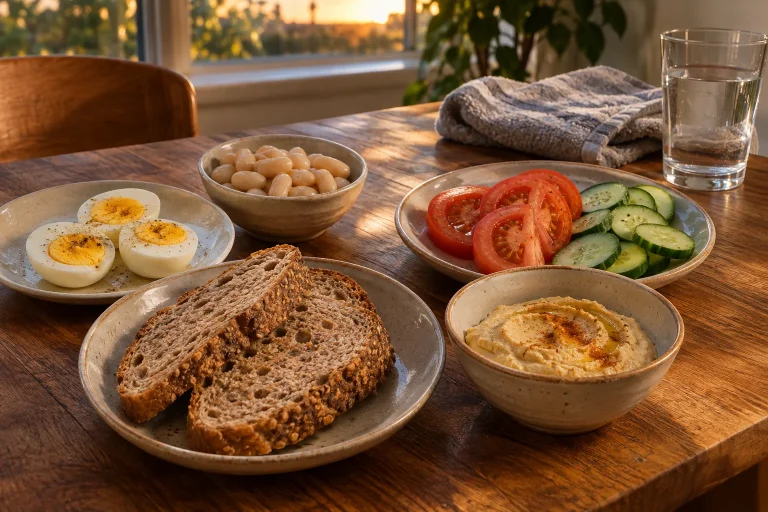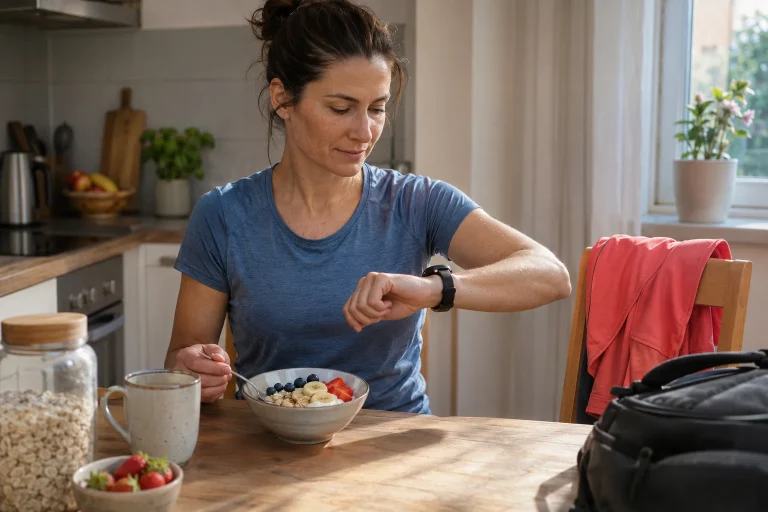
Toast can provide a familiar breakfast base in a few minutes, but the whole meal does not necessarily end with toasting bread. Toppings, additions and a drink fitting your needs shape the combination together. The kitchen question is how to make this achievable, enjoyable in texture and appropriately handled. This article offers ideas for healthy adults’ everyday breakfasts without personalised portions or diets calculated from running demands. Follow known allergies, conditions and special dietary instructions when choosing bread and every topping too.
Bread selection is about more than colour
Check the exact product name, ingredients and information important to your diet. The colour of bread that looks darker or seeded is not complete composition information on its own. Labels, personal needs and taste matter together. Slice shape and thickness are practical toasting questions too: they may behave differently in the same appliance. Follow your equipment’s instructions and appropriate use of the product. Toast is not a separate dietary category overriding all the bread’s original properties.
The NHS information on starchy foods discusses breads within a broader food-choice framework. Consider bread’s role in your breakfast alongside the complete combination. A general guide does not determine slices needed for every runner every day. Bread size and type differ too, while personal requirements depend on several factors. The kitchen method helps appropriate choices become accessible bases easy to complement rather than decisions based on one colour or packaging adjective.
Toast according to the appliance and product, not as dark as possible
Appliance settings and slice condition affect the result, so watch the particular batch. The EFSA consumer information on acrylamide recommends golden-yellow rather than brown toast. The aim is therefore not the darkest possible burnt surface. Use such practical guidance proportionately: it concerns appropriate preparation habits, not a personal risk diagnosis from your breakfast. Safe appliance instructions still apply.
Do not put wet toppings or combinations in a toaster not designed for them. Use suitable equipment and its instructions for cheese or other toasted sandwiches. Do not improvise against safety instructions when retrieving a displaced slice either. A quick breakfast does not justify incorrect use. If bread shape regularly fails to fit, another suitable appliance or arrangement is needed. Adapt a convenient base to actual kitchen equipment rather than forcing the device.
 Enlarge diagram
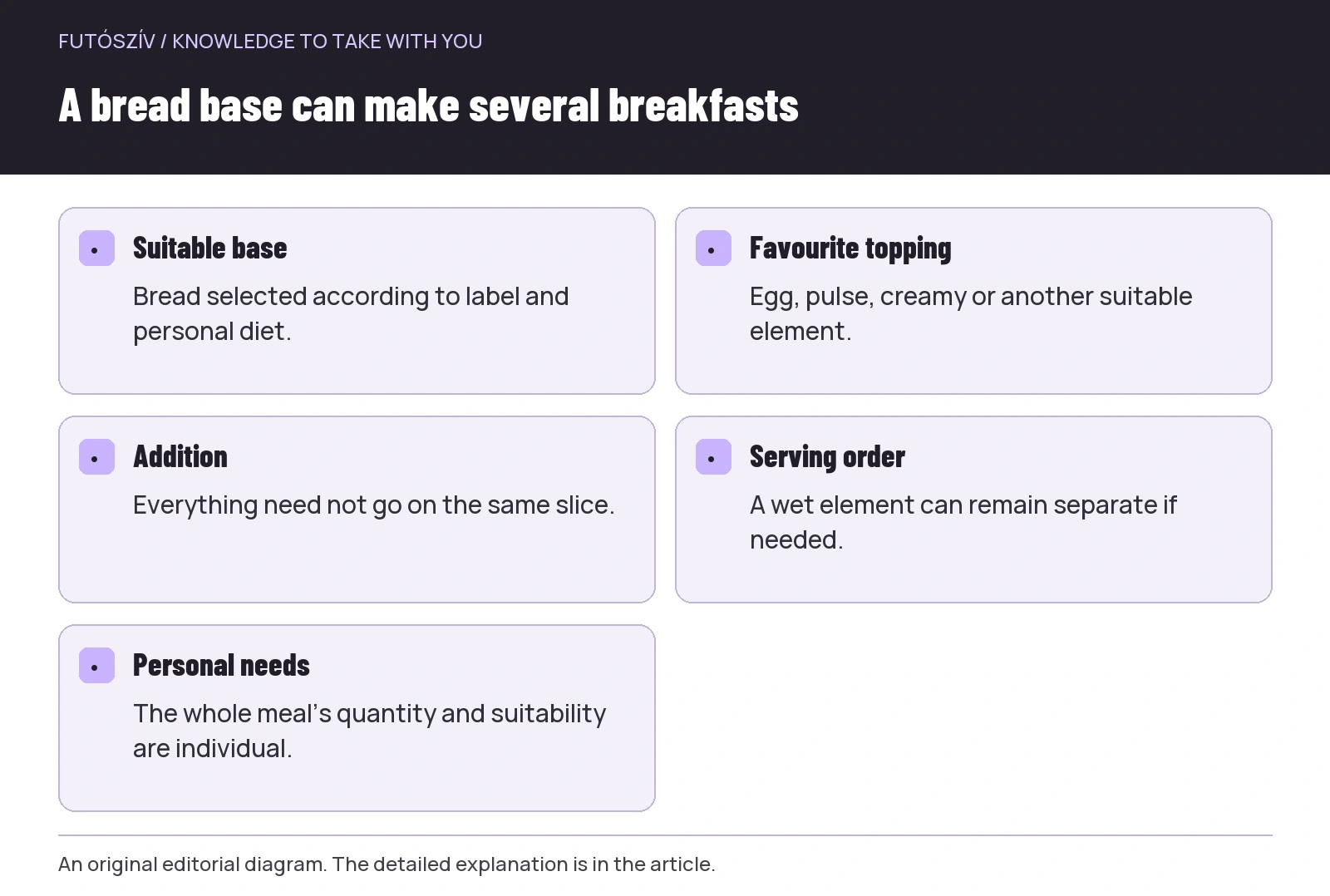
Text version of the diagram
- Suitable base
- Bread selected according to label and personal diet.
- Favourite topping
- Egg, pulse, creamy or another suitable element.
- Addition
- Everything need not go on the same slice.
- Serving order
- A wet element can remain separate if needed.
- Personal needs
- The whole meal’s quantity and suitability are individual.
Alongside the base, consider what your meal is missing
The adult OKOSTÁNYÉR guide provides a Hungarian starting point for general food choices as a whole. When complementing toast, see the entire breakfast and day too. Which protein source, vegetable, fruit or other necessary element suited to you belongs to your eating pattern? The specific answer is individual, and every element need not appear on the same slice. Food offered separately beside the plate is part of the meal too. A complete breakfast does not necessarily mean a towering sandwich difficult to eat.
Do not determine proportions and quantities from other people’s photographs. A recipe or image is an example, not a measurement of your needs. If you have a personal sports nutrition plan, choose an achievable bread-based version for it. With a special diet, assess topping substitutions alongside relevant instructions. Different spreads, dairy products, plant-based ingredients and other toppings are not automatically nutritionally equivalent. A simple kitchen system supports personal suitability rather than replacing it with one compartment list.
Spreadable, chunky and separately served elements
A spread can help position flavours and toppings, a chunky element can provide another texture and a wetter addition can remain separate until serving. Seek an order fitting your recipe. If bread becomes soggy quickly, examine time between assembly and eating and which element supplies moisture. More toasting is not necessarily the solution. Later assembly or separate serving may work under suitable storage conditions. Connect the texture question to your actual eating situation.
Do not put every addition in one thick layer if difficult or uncomfortable to eat. A separate plate or bowl may be simpler. Clear, accessible elements can also reduce preparation-time rushing. Every slice need not have three colours of toppings as an aesthetic rule. The aim is an enjoyable, appropriate meal, not an image composition. Too many elements also mean more opened packages and later storage tasks, so start from your familiar selection.
Four possible combinations within your own diet
The first might be an appropriately prepared egg topping with bread fitting your diet and appropriately handled vegetables. The second could be a suitable pulse-based spread with matching seasoning and chosen toppings. The third might be an appropriate dairy or other creamy option with fresh accompaniments. The fourth could be sweet, with elements fitting personal needs and diet. These are different meal directions, not equivalent portions or complete breakfasts automatically covering every need.
The NHS avocado-and-cheese toast recipe provides a specific example of combining bread with several additions. This article does not copy family-recipe amounts as a personal running diet. The usable idea is that bread can combine with several suitable elements and serving order matters too. Follow personal ingredient suitability and appropriate handling in your choice. If an ingredient listed is unsuitable or disliked, another appropriate dish can be chosen.
| Assembly question | Practical direction | What should you preserve? |
|---|---|---|
| Which base? | Bread fitting your diet and suitable for the appliance. | Label information and personal suitability. |
| Which topping? | A familiar egg, pulse, creamy or other version. | Appropriate preparation and storage. |
| What stays separate? | An element impairing texture or more convenient separately. | Necessary refrigeration conditions. |
| How much? | According to your complete eating needs. | Another person’s photo is not a portion rule. |
| When is it ready? | Adapted to actual eating time. | The different tasks of fresh and later packed food. |
Let seasoning provide choice, not another shopping burden
A few familiar seasonings and suitable ingredients can create several flavours. A pulse spread may use herbs or another favourite direction according to your recipe, while a creamy topping can have different suitable vegetables alongside. Do not buy a separate large package for every version without a real further use. Check seasonings’ ingredient lists and after-opening instructions too. Existing familiar supplies often expand convenient breakfast options better than many open jars later forgotten. Your tastes and access are real planning considerations.
Sweet and savoury versions can both belong within your diet. Neither needs treating as morally superior. Particular composition, quantity and the whole personal situation matter more than the name. Breakfast before or after running may involve individual timing and comfort questions. Do not seek one universal sporting combination among bread-based options. Instead, have a few appropriately familiar versions to choose according to personal needs and actual time that morning.
 Enlarge diagram
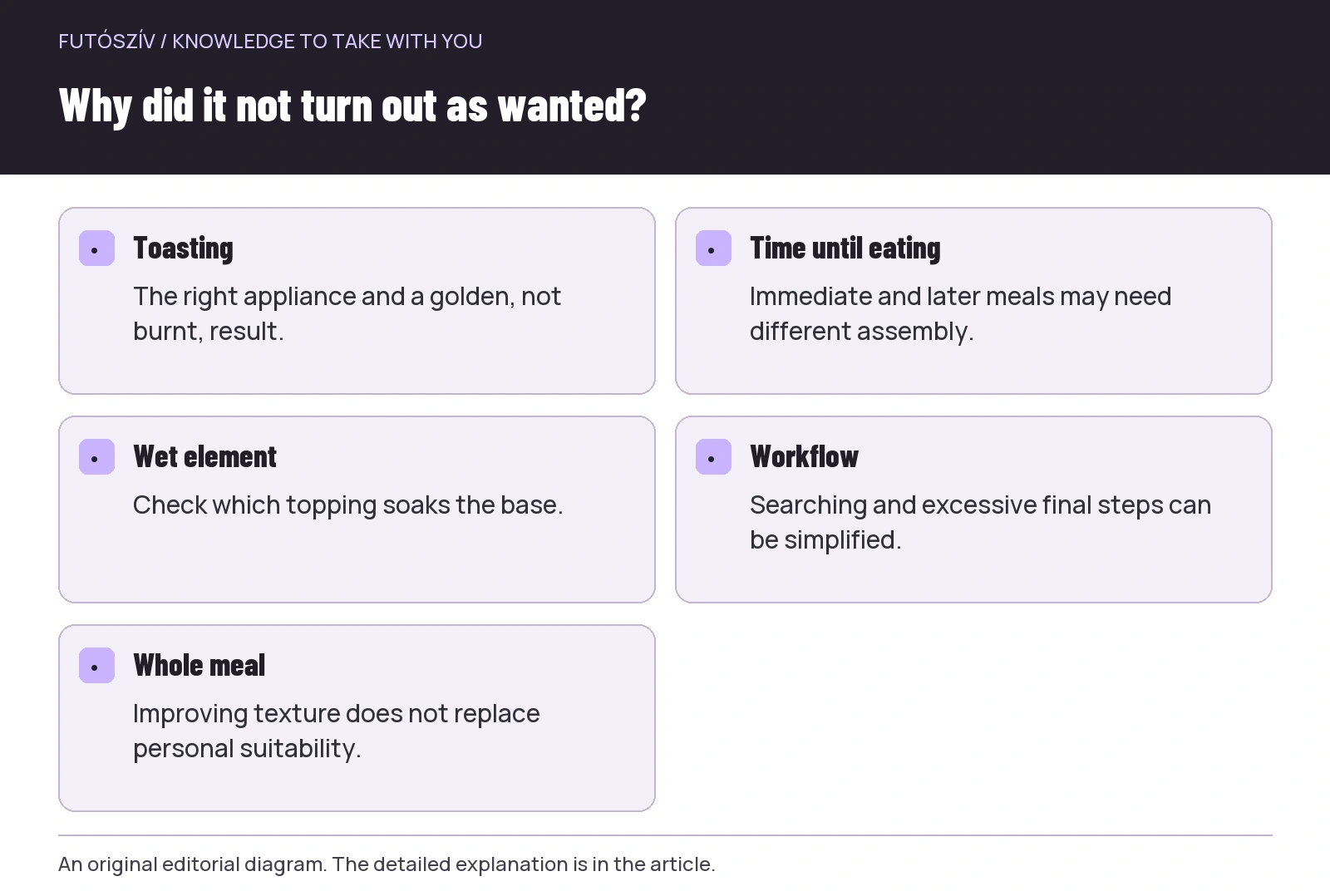
Text version of the diagram
- Toasting
- The right appliance and a golden, not burnt, result.
- Time until eating
- Immediate and later meals may need different assembly.
- Wet element
- Check which topping soaks the base.
- Workflow
- Searching and excessive final steps can be simplified.
- Whole meal
- Improving texture does not replace personal suitability.
A workflow to reduce rushing
The previous evening, check ingredients and prepare necessary equipment while keeping chilled products in the right place. In the morning, prepare bread according to the appliance, doing only safe additional preparation meanwhile. Bring out toppings and additions according to your recipe and assemble for eating time. Do not parallelise every action if attention would suffer. A familiar combination of few elements is often more achievable than a spectacular dish needing many last steps.
If toasting regularly begins too late or finding toppings takes too long, identify the specific obstacle. Better storage, a familiar meal card or another preparation order may solve it. Examine breakfast’s full path: preparation, eating and handling used equipment. Pressing the toaster button is not the only task. In the minutes before departure, appropriate eating remains possible when the whole workflow is realistic. Simplicity is determined in the actual morning, not the recipe title.
If eating later, another combination may work better
Crunchy toast eaten immediately may not retain its texture after lengthy packing. If taking it to work, consider whether this is the appropriate form or another bread-based combination is more convenient. Separate wet toppings may help texture, but refrigerated elements still need appropriate transport. A lid is not cooling. If assembling on site, have a suitable place and utensils. Adapt the kitchen idea to the real journey rather than forcing the usual home format into every situation.
Handle remaining toppings and ingredients according to the product’s or dish’s storage instructions. Opening times should remain traceable when packages return to the fridge, and leftovers with uncertain histories should not automatically become tomorrow’s breakfast. Making more helps when further use is arranged too. Toasting alone does not correct ingredients previously in unsuitable condition. Breakfast’s safe journey begins with product choice and storage just as any other food’s does.
What makes your own version actually work?
Examine whether you like the texture, preparation fits the morning and the whole meal meets personal needs. These three questions may require different changes. Soggy bread may call for a different order or separate serving, limited time for a simpler workflow and personal dietary questions for appropriate assessment of the complete combination. A single new topping need not solve every problem. A good recipe works in your kitchen and routine while preserving important instructions and individual needs.
Toast can thus become a simple, versatile breakfast base. Golden preparation, appropriate bread, a favourite topping and necessary additions form the personal combination together. You need not pile it high, put every element on the same slice or copy another runner’s portion. Aim for appropriately prepared, genuinely accessible food you enjoy making within your morning and whose whole composition you can consider clearly.
Sources and further reading
- NHS: Starchy foods and carbohydrates
- EFSA: Acrylamide in food, consumer guidance
- MDOSZ: OKOSTÁNYÉR for adults
- NHS: Mashed avocado cheese on toast
How Futószív articles are prepared: our editorial guidelines.