A race trip by car may offer a large boot, but space is not the same as appropriate food storage. Your food needs traceable handling from leaving home through stops en route, the race car park and arrival at your accommodation. A cool bag beneath the luggage pile may also be unusable during a short break if you must unload everything to reach it. Plan safe handling and actual access together.
This article provides a travel and food-handling framework, not a personal race diet. It does not give one storage duration for every car, outside temperature and cool bag. The instructions for the particular food and container, along with individual dietary requirements, always apply. The examples are fictional journey situations; we have not tested car cool bags. Safe driving is a separate primary responsibility: organise eating and handling bags at an appropriate stop.
Count all the waiting, not just driving time
Three hours shown by the navigation system may not be the food’s full travel time. Packing, collecting companions, stopping, finding parking and administration after arrival all add time. If you cannot access the accommodation until later, the food still needs an appropriate place meanwhile. Record the entire period between removing it from the original refrigerator and placing it in the next genuinely suitable storage. Build the plan around that, not the most optimistic driving time.
Create a fresh timeline for the return journey. The car may remain parked for a long time during the race, and an awards ceremony or changing clothes may come between finishing and departure. Food left in the car that morning does not become freshly retrieved food in the afternoon. The outward-journey pack and the meal intended for travelling home may follow different handling paths. If appropriate storage is unavailable for the latter, choose the alternative before the trip.
Assign cooling requirements to the specific product
The food-safety guide from Nébih recommends an appropriate way of keeping chilled food cold during transport and warns about prolonged car journeys home with food. Check the storage temperature and expiry information on the label. A sporty name or homemade origin does not determine whether food needs refrigeration. Know the conditions for the particular sandwich, dairy product, prepared salad or other dish.
Separate dry supplies that can travel unopened under appropriate conditions, food requiring refrigeration and products whose handling changes after opening. This is a handling classification, not a ranking of foods. Even the contents of a seemingly dry package can have specific instructions. Do not automatically return opened leftovers to the previous dry-storage group. Label information may also apply to the package’s next state.
Do not treat passive and active cooling as identical
For a passive cool bag, understand how the prepared system works when used with appropriate cooling packs. It may not adequately chill a large quantity of warm food or maintain the required temperature indefinitely. For an electric container, the appliance’s capacity, ventilation, settings and power arrangements matter too. The word ‘cooler’ does not establish that the necessary conditions will be met throughout the food’s journey.
Use and position equipment only as its manufacturer specifies. Have a workable way to check temperature too; touching the bag’s outer wall or an ice pack does not reveal every food’s actual condition. If switching off the car stops necessary operation, account for that in the food plan. Do not improvise a power supply that ignores vehicle safety or equipment instructions.
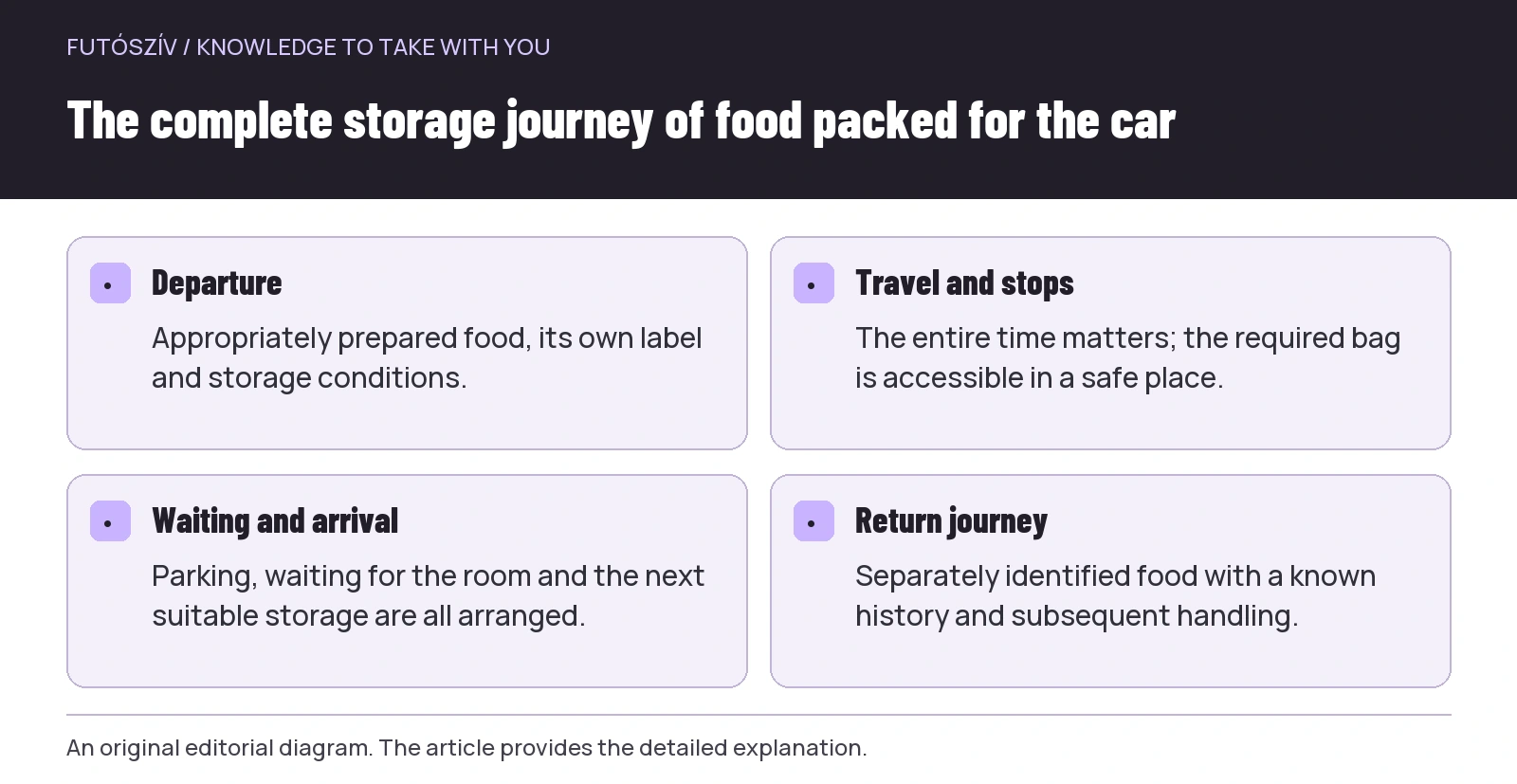 Enlarge diagram
Text version of the diagram
- Departure
- Appropriately prepared food, its own label and storage conditions.
- Travel and stops
- The entire time matters; the required bag is accessible in a safe place.
- Waiting and arrival
- Parking, waiting for the room and the next suitable storage are all arranged.
- Return journey
- Separately identified food with a known history and subsequent handling.
Food should start in an appropriate condition
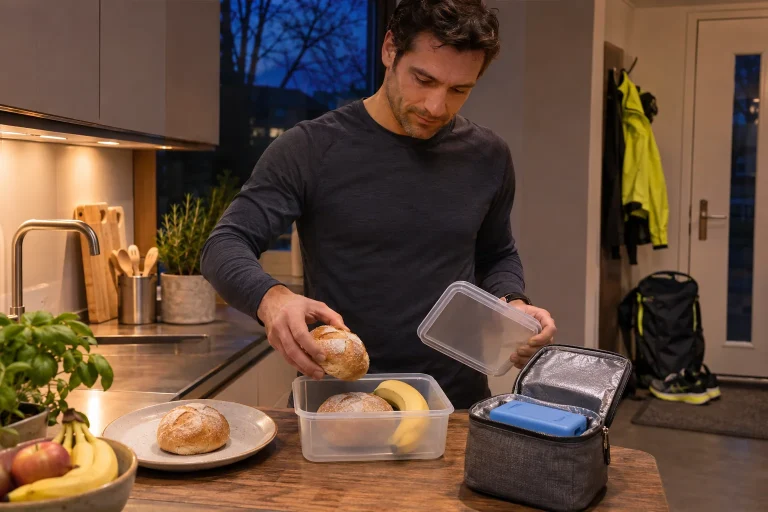
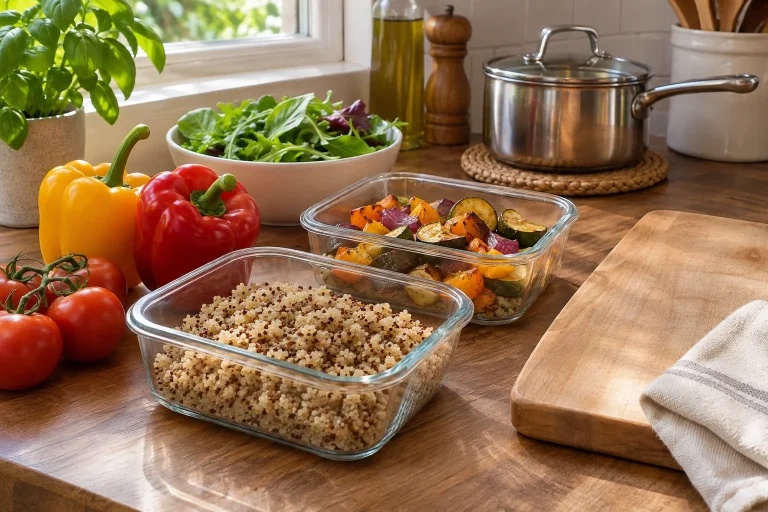
Preparing homemade food for the journey and cooling it as necessary are tasks to complete at home. Packing it into a cool bag should not conceal the fact that a large batch has not yet reached the right starting condition. Plan a smaller, genuinely usable quantity if full preparation and storage cannot otherwise be arranged. The bag’s capacity should not encourage you to bring more than you can handle appropriately throughout. Taking lots of food is not good preparation in itself.
The German Federal Institute for Risk Assessment’s guide to cooking ahead also highlights planning storage at the place of consumption and refrigerated transport in advance. Before packing, therefore, know where the food will go on arrival. Suitable preparation at home does not resolve later issues such as inaccessible accommodation, a full fridge or several hours in the race car park. Arrange every necessary stage of the chain separately.
Pack by eating occasion, not just product type
Food needed at the first stop should not be in the deepest container. You can prepare a clearly identified stop pack, stored according to its own requirements, separately from supplies for after arrival and after the race. The distinction should create a clear order rather than unnecessary packaging. If products with different storage requirements belong to the same meal, keep them in their proper places; they do not all have to go into one bag at any cost.
The food’s name, owner and intended occasion can help on the package label. For homemade food, also retain the relevant time and necessary next step. With several passengers, do not infer ownership solely from a container’s colour. Individual dietary requirements or different ingredients make accurate identification particularly important. Sharing a car does not make all the bags freely interchangeable.
Boot organisation proves itself at the stop
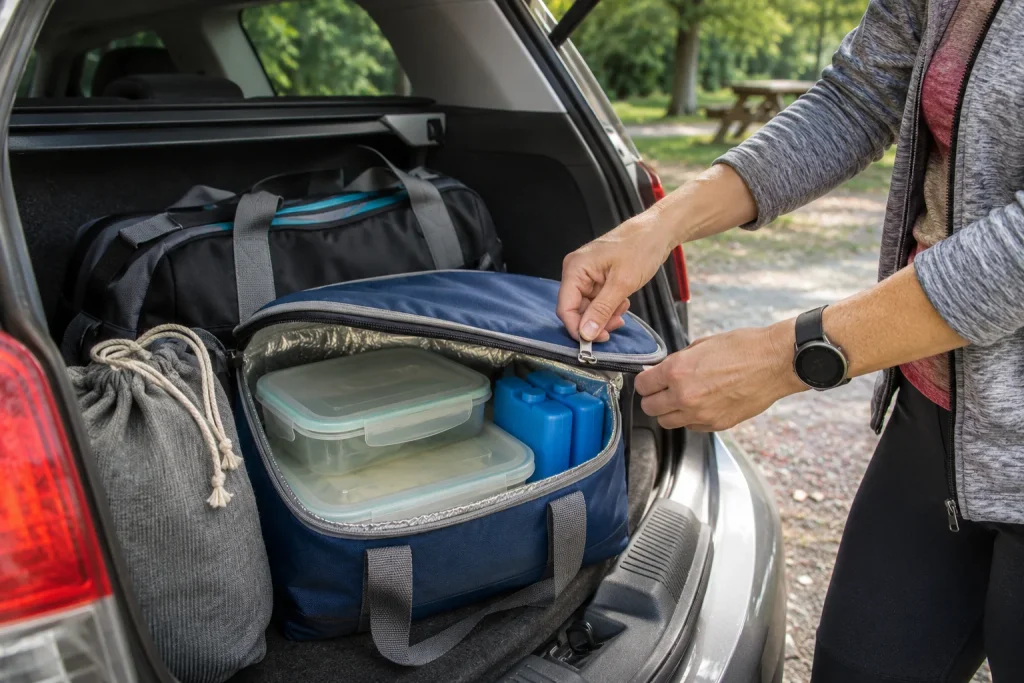
Before loading, test how you will access the food while the vehicle is parked safely. Having to unload entire bags at the roadside to reach one container is not a good solution. Put the required bag in an organised position, separate from dirty sports equipment and other materials that do not belong beside food. Position bags according to the safe securing requirements for the vehicle and particular container; accessibility must not mean loose items rolling around.
If the driver also has a personal food pack, arrange access around stops. Searching while driving, reaching towards the boot or handling a food container should not be a condition of the plan. At a preselected rest stop, you can calmly access necessary utensils and handwashing. Give a passenger a clear task too: identify the right bag rather than handing over another product or drink at random, particularly where personal dietary restrictions apply.
A sunny car park is a stage of its own
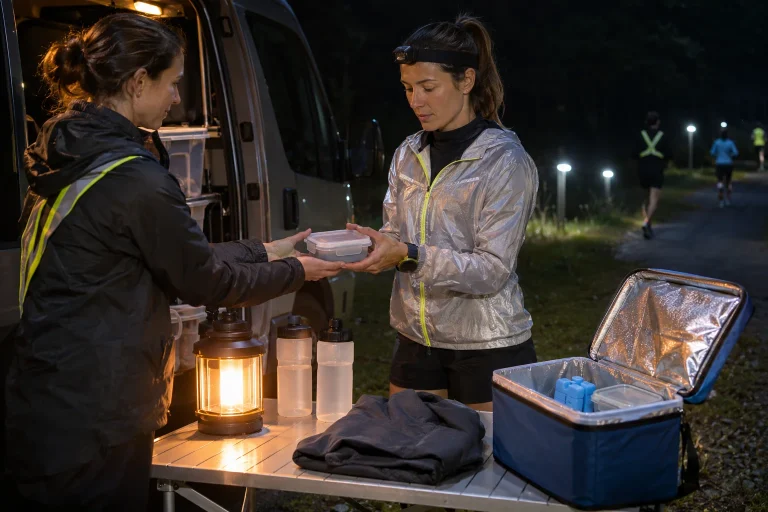
The Food Standards Agency’s hot-weather information also explains the role of an appropriate cool bag and ice packs, shaded placement and reducing unnecessary opening. The particular product’s storage requirements still apply. Vehicle air conditioning while driving does not automatically refrigerate food during later parking with the engine off. Check your own system over the entire waiting period separately.
The parking location may change, and the sun’s movement can alter a previously shaded spot. ‘We’ll park somewhere good’ should not be the only plan. If you cannot store food appropriately during the race, you need another solution, such as suitable storage arranged beforehand or another meal option. Appropriate handling should be the deciding condition, rather than taking the dish you want. A car is not a food-safety guarantee on its own.
| Journey stage | What needs clarifying? | A common hidden gap |
|---|---|---|
| Preparation and packing at home | The food’s appropriate starting condition and its own storage instructions | Expecting the cool bag to chill a large warm batch. |
| Stop en route | Can you actually access and handle the particular bag? | The food you need is beneath all the luggage. |
| Parking during the race | Will suitable storage be maintained for the whole period? | You considered only the driving time. |
| Arrival at accommodation | Can you access the room, and is the storage suitable? | There are still hours until check-in. |
| Return journey | What is the known handling history of the food specifically intended for it? | Morning leftovers in the car immediately become an afternoon meal. |
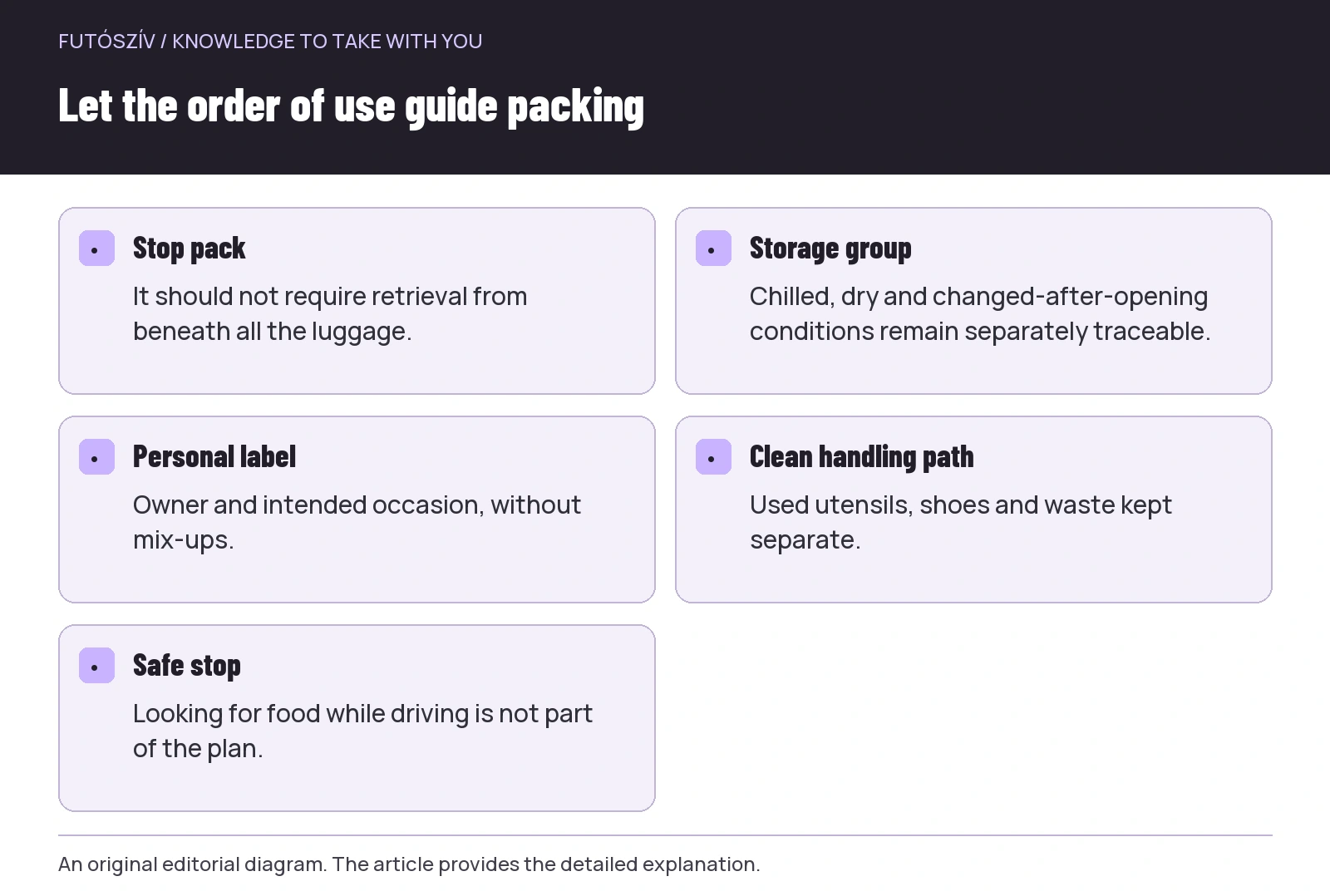 Enlarge diagram
Text version of the diagram
- Stop pack
- It should not require retrieval from beneath all the luggage.
- Storage group
- Chilled, dry and changed-after-opening conditions remain separately traceable.
- Personal label
- Owner and intended occasion, without mix-ups.
- Clean handling path
- Used utensils, shoes and waste kept separate.
- Safe stop
- Looking for food while driving is not part of the plan.
Arrange hygienic eating conditions at the stop too
Choose somewhere you can park the vehicle appropriately and meet the hygiene conditions needed for eating. Handwashing, clean cutlery and the surface touching food all matter. The boot lip or a blanket beside a shoe-changing area is not automatically a suitable serving surface. Give used packaging and clean supplies separate places. At the end of the stop, do not return used utensils beside untouched food either.
Open a container only for the necessary action and store leftovers according to that product’s requirements. Opening or removal time may matter, so retain traceability. Putting food back does not reset its refrigeration time to zero. If appropriate handling is doubtful, do not try to judge it safe by tasting. The convenience of packing leftovers away does not override the conditions for appropriate use.
A fictional example of a delayed schedule
Imagine leaving in the morning and planning to check into the room immediately on arrival, then eat. You are delayed en route, and the accommodation can receive you later than expected. A suitable plan establishes beforehand what you can access at the stop and where the food will remain under appropriate conditions while waiting. If that cannot be maintained, change the bag’s contents or where you eat. Renaming the food’s storage requirements to accommodate a longer journey is not the solution.
You can communicate this simply to the team too: which bag they can use, which stays closed and when the next decision is due. If a passenger buys additional food, bring its label and storage conditions into the system too. A newly purchased dish does not automatically fit into an already full cool bag, nor can it necessarily be handled under the earlier food’s instructions. Expanding supplies creates a new task, not merely more theoretical backup.
Identify food for the homeward journey separately
A known pack handled appropriately throughout differs from one whose condition became uncertain while parked during the race. For return-journey food, specify when it moves from suitable storage into the car and how long appropriate handling must be maintained. If the plan relies on buying food at the venue, check opening times and suitability too. Do not plan only what you arrive at the race with; accessing the next meal is a task as well.
On returning home, deal with food and equipment according to their known condition. Clean and store the cool bag, containers and ice packs following their own instructions, and do not save uncertain leftovers for the next week. Note where access or tracking an appropriate temperature was difficult. Target that problem on the next car journey. An organised solution with fewer bags is often easier to follow throughout than large supplies without a plan for using them.
Food packing for a car trip is complete when its whole journey is known. It starts in an appropriate condition, fits the necessary storage, is accessible at stops, moves to an organised place on arrival and has the separate return-journey conditions resolved too. Boot space can then become a real advantage, while food handling is not left to improvised decisions in a car park.
Sources and further reading
- Nébih: Preventing foodborne illness
- BfR: Pre-cooking for several days – What should I bear in mind?
- Food Standards Agency: Food safety in a heatwave – advice for consumers
How Futószív articles are prepared: our editorial guidelines.