Your jaw feels tight in the morning, and your partner says you ground your teeth overnight. Another time, you notice clenching while running. A single explanation is tempting: stress, poor breathing technique or a missing mouthguard. Daytime sensations, overnight observations and tooth condition are separate information, however; describe them together to your dentist.
First distinguish an urgent situation. Do not automatically attribute new jaw pain to clenching, especially with chest pressure, breathlessness, sweating, nausea or feeling faint. If a heart attack is suspected, call 112 immediately and do not test the cause through another run. The NHS also describes chest discomfort spreading to the jaw and associated symptoms as emergency signs. NHS: chest pain and urgent symptoms.
What is bruxism, and why distinguish daytime from night?
Bruxism concerns chewing-muscle activity that can include clenching or grinding. The international expert consensus published in 2025 distinguishes sleep and awake bruxism. Awake activity may include sustained or repetitive tooth contact and jaw bracing. The report treats bruxism as a motor behaviour whose individual consequences need assessment. Verhoeff and colleagues: updating bruxism definitions.
This distinction does not mean ignoring tooth damage or pain. It explains why whether muscle activity occurs differs from whether it causes consequences needing care. The NHS says treatment is not always necessary, but tooth damage, sensitivity, jaw, face or ear pain, or a partner’s report of night-time grinding warrant dental discussion. NHS: when to see a dentist.
As a runner, bring more than “my jaw feels tight in training”. Mention morning sensations, symptoms while chewing and a partner hearing overnight sounds. These accounts are not mutually exclusive. Which you directly observe and which come from another person may be important to the professional.
Tooth signs and muscle sensations may reflect different timeframes
NIDCR lists possible signs including tooth wear, chips, cracks, sensitivity, and chewing-muscle pain and fatigue. A dentist reviews history alongside teeth, restorations and jaw condition. Your morning sensation and a visible tooth finding therefore do not replace each other. NIDCR: symptoms and dental assessment.
If a tooth edge seems changed at home, do not decide from the mirror when or why it happened. If noticed in a photograph, explain its date and your uncertainty. Earlier dental findings may support comparison. A running-week log cannot replace professional tooth examination, and one observed change does not automatically mean the previous workout caused it.
The 2025 consensus also clarifies terminology for self-report, clinical examination and instrument-based assessment. They can examine different perspectives rather than simply improve the same home claim. Self-reported clenching on a phone, a partner’s sound observation and muscle signals during a sleep study are not one interchangeable number. Choose the method for the clinical question. Professional distinctions between bruxism assessment methods.
 Enlarge image
A tense jaw is not one disease
TMD refers to a group of painful or dysfunctional conditions involving the jaw joint and muscles that move it; TMJ names the joint itself. NIDCR emphasises that mouth, jaw and facial pain may have other origins, requiring symptom review and examination. Painless clicking is common and generally needs no treatment by itself. NIDCR: jaw-joint and chewing-muscle symptoms.
Mention difficulty opening the mouth, jaw locking or impaired eating and drinking. The NHS also lists such movement difficulties, severe headache, temple or scalp tenderness and visual problems as signs needing urgent assessment. Do not wait for another running-technique session. The route to urgent care depends on severity; call 112 for a life-threatening or sudden severe condition. NHS: urgent jaw and accompanying symptoms.
An observation during running can add to the history but does not shortcut assessment. “I noticed it while running uphill” is more precise than “the hill caused a joint problem”. Do not assume causation without professional assessment. Describe location, movement and timing without choosing a disease name.
A brief running-day example may help more than constant checking
The following observation model may help prepare a dental discussion. It is not an instruction to monitor your jaw throughout the run or force a new movement pattern. Briefly record what you notice anyway. Use a different diary if requested by the professional; these points are not a validated diagnostic scale.
| Detail | A concrete personal statement | Avoid treating this explanation as certain |
|---|---|---|
| Time of day | I feel it after waking, or notice it during the day. | Morning symptoms can only come from night-time grinding. |
| Activity | I noticed it while running, using a computer or chewing. | That activity definitely created the change. |
| Sensation and function | Tension, sensitivity, pain or difficulty opening. | Every jaw sensation means the same thing. |
| Another person’s observation | My partner heard grinding during the night. | This already replaces an instrument-based investigation. |
| Dental change | I noticed new sensitivity or a chipped area. | I established its cause and exact onset at home. |
Function matters alongside discomfort: can you eat, drink and open your mouth normally, and has anything changed? These are understandable examples beyond a numerical intensity score. Do not repeatedly provoke symptoms to demonstrate them better. Repeating painful movement is unnecessary for a dentist to take your report seriously.
For a brief reminder from a run, three words may suffice: time, situation, sensation. Detailed explanation can wait for the discussion. Clenching need not become another training metric, and missing notes should not be filled retrospectively as certain recollections. The aim is clarification of a dental question, rather than perfect observation performance.
Stress may be part of the picture, rather than a certain explanation
NIDCR lists possible factors including psychosocial influences, genetics, caffeine and alcohol, smoking and certain medicines. One ticked item cannot identify the cause at home. If symptoms appeared around a medication change, describe the timing to the treating professional; do not stop prescribed medication yourself. NIDCR: possible factors and history.
The NHS lists muscle tension among possible physical stress symptoms and sleep and concentration difficulties among everyday consequences. Professional support is available if coping is difficult or your own attempts do not help. Recognising a connection neither makes dental symptoms imaginary nor means more running can replace examination. NHS: stress and seeking help.
“Relax your jaw” can be an everyday reminder, but is not complete treatment. With uncomfortable sensations, tooth injury or recurring pain, do not measure success by whether you look calm enough while running. Tie individual advice to symptoms and examination. Supporting stress reduction and protecting teeth may serve separate purposes.
Clarify the splint’s goal and how to use it
The NHS says a dentist may recommend a night mouthguard or splint to reduce tooth damage, including a custom-fitted version. Protection differs from guaranteed resolution of all jaw pain. NIDCR’s TMD information says evidence for these appliances’ pain effects is limited; discuss a painful appliance with a dentist or doctor. NHS: night splints. NIDCR: understanding intraoral appliances.
Do not buy a running mouthguard solely because you read about night splints, or start wearing a prescribed night appliance during sport without discussion. Task, fit and environment may differ. Ask the dentist its exact purpose, when to wear it, which problems to report and how appropriate operation will be checked.
NIDCR advises caution about TMD treatments permanently changing teeth, bite or the jaw joint. Clarify benefits, risks and simpler options beforehand. A striking sports-performance promise cannot replace that discussion. Focus on care for your own symptoms and teeth rather than universal jaw optimisation. NIDCR: treatment decisions and permanent changes.
 Enlarge image
Include the sleep history in the dental discussion
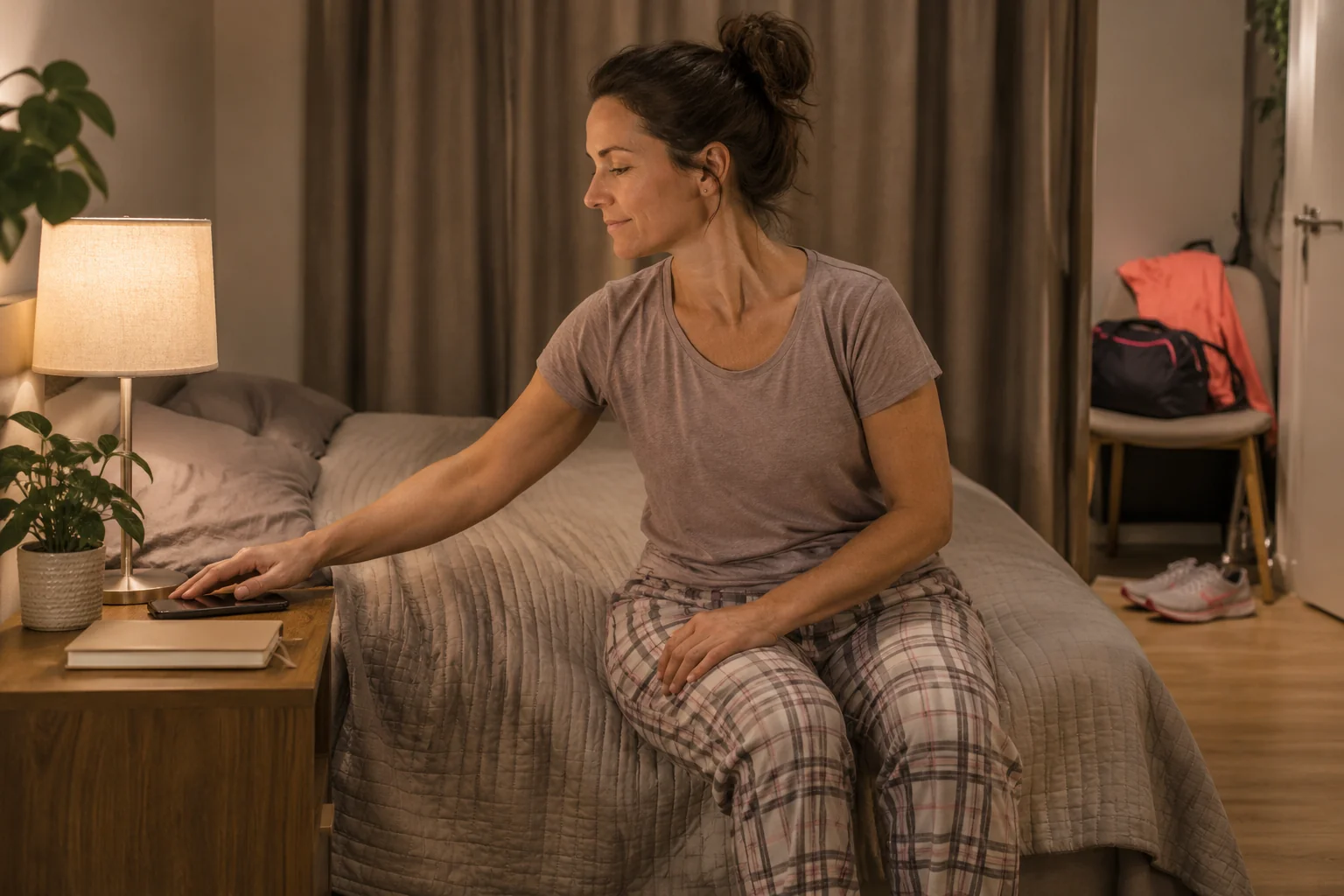
If a partner hears grinding, tell the dentist; the NHS specifically recommends dental discussion for such reports. The other person need not watch all night or manufacture proof. Observed events, morning sensations and any sensitivity together can provide useful initial information. NHS: teeth grinding noticed by a partner.
Snoring, breathing pauses, gasping and constant daytime sleepiness may raise a separate sleep-medicine question. The NHS recommends medical assessment for possible sleep apnoea with these. Mentioning clenching and snoring together is not a diagnosis, and a mouthguard is not automatically treatment for sleep-disordered breathing. Relevant professionals need the whole history. NHS: signs of sleep-disordered breathing.
Recording night and day signs also prevents the dental question disappearing within general poor sleep. Separate what you experience from what a partner notices. Bring earlier sleep-study or dental-treatment findings and information about appliances if available. An app’s single summary score should not replace combined assessment.
The aim is symptom assessment and preserving teeth
At the end of a dental appointment, clarify what was found, what remains open and when review is needed. If given advice or an appliance, ask its purpose and which changes to report. Explain the running context too: when symptoms occur and whether eating, drinking, sleep or everyday function are affected.
You need not alter all your running technique from one jaw sensation or practise a remotely recommended relaxation routine through pain. Your observation matters, but interpretation may need professional review of teeth, muscles, joint and history. Morning tension and training observations can then form a clear account from which individual care can proceed.
Sources
- NHS: teeth grinding and clenching
- NIDCR: bruxism
- Verhoeff and colleagues: updated bruxism definitions, 2025
- NIDCR: jaw-joint and chewing-muscle symptoms
- NHS: jaw-movement problems
- NHS: stress and seeking help
- NHS: chest pain
- NHS: sleep apnoea
How Futószív articles are prepared: our editorial guidelines.