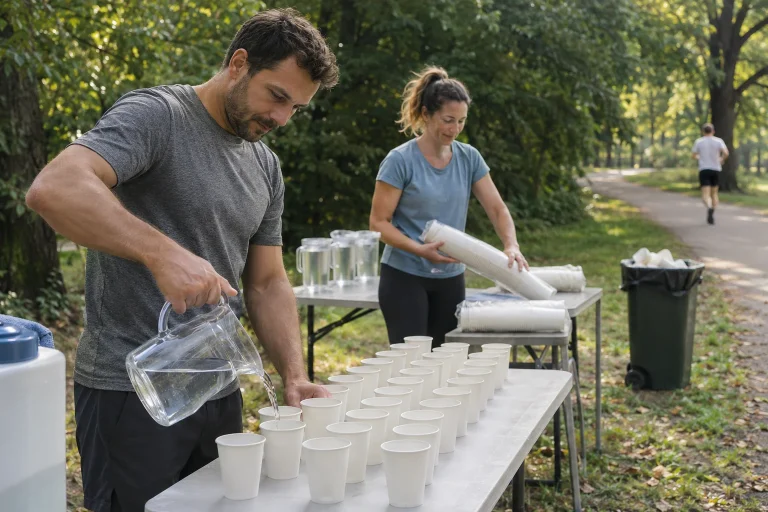
The aim of eating before running is to provide enough energy for the run without making the meal so heavy that it causes discomfort while you exercise.
It is worth eating at least 2–3 hours before a run to give your stomach time to digest. If you have at least 2 hours before an evening run, a full meal can fit in, for example:
- a sandwich made with wholemeal bread
- a bowl of porridge
- a small bowl of fruit
Eating too close to a run may cause discomfort, such as heartburn, nausea or diarrhoea. If you have less time, we suggest a lighter snack:
- a banana
- a handful of muesli
- an energy bar
However, avoid foods that are difficult to digest, fatty foods, dairy products and coffee.
Drinking before running is important too. Dehydration reduces performance, so it is worth consuming at least 1.5–2 litres of fluid before running.Editorial clarification · 22 November 2026. Do not treat 1.5–2 litres as a compulsory minimum before every run. Excessive fluid intake can cause dangerous low sodium. Timing, conditions and individual needs matter; online advice must not override a medical fluid restriction. Source
The timing of your post-run meal plays an important role in muscle recovery and performance improvement. Ideally, eat something within 30–60 minutes of finishing. During this time, muscles are still actively taking up nutrients, allowing them to be used more efficiently.
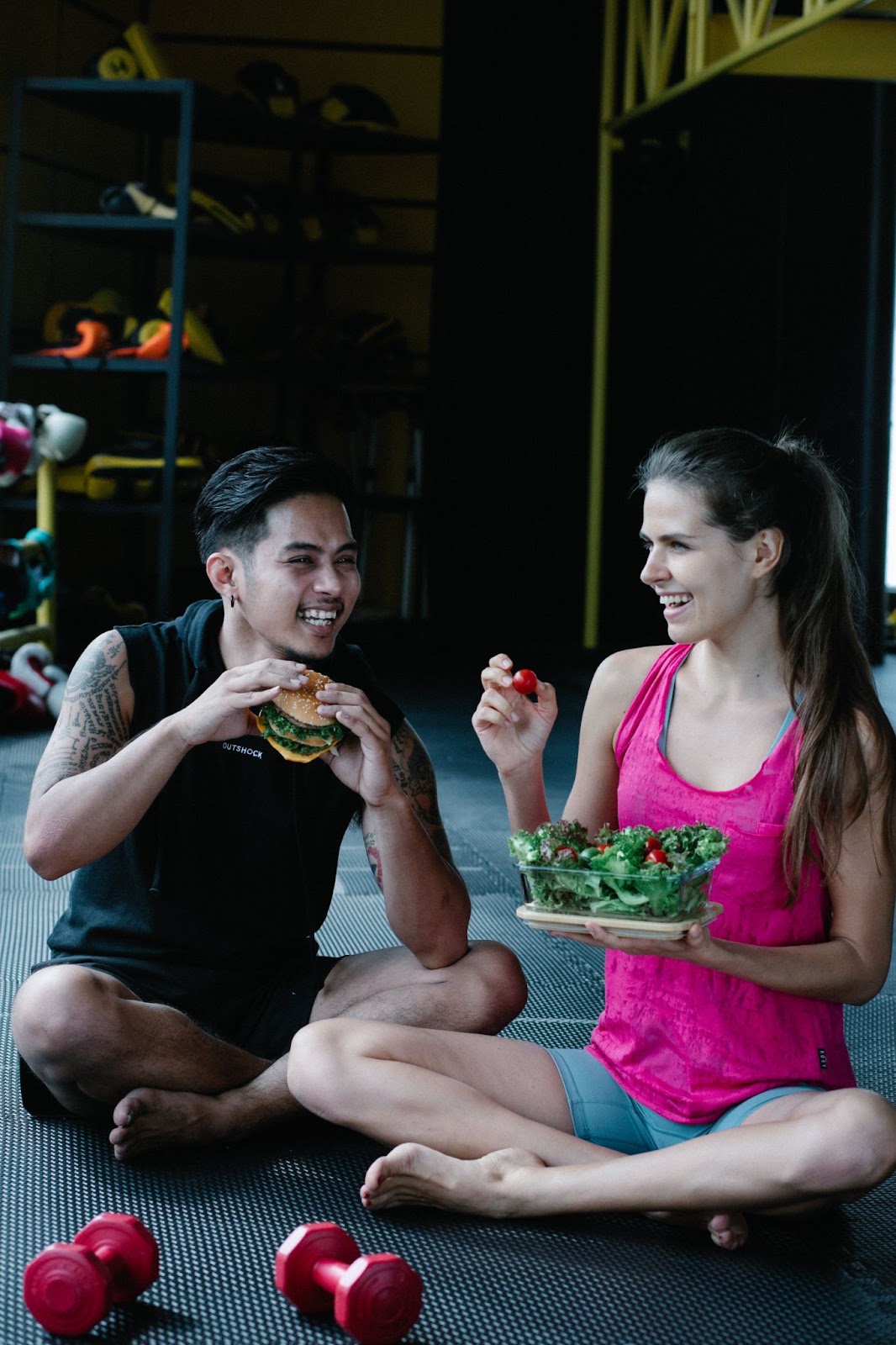
If you have burned a large amount of carbohydrate during your run, it is important to replenish glycogen stores afterwards. Quickly absorbed carbohydrates are best for this, such as fruit, vegetables, whole grains and dairy products.
Your post-run meal should also include protein to help muscle recovery. Good sources include lean meat, fish, pulses and dairy products.
Some examples of post-run meals:
- A banana and a glass of milk
- A slice of wholemeal bread and an egg
- A cup of porridge and a handful of nuts
- A glass of fruit juice and a slice of low-fat cheese
Replacing fluids after running is also extremely important, as the body loses a large amount of fluid during exercise!
How Futószív articles are prepared: our editorial guidelines.