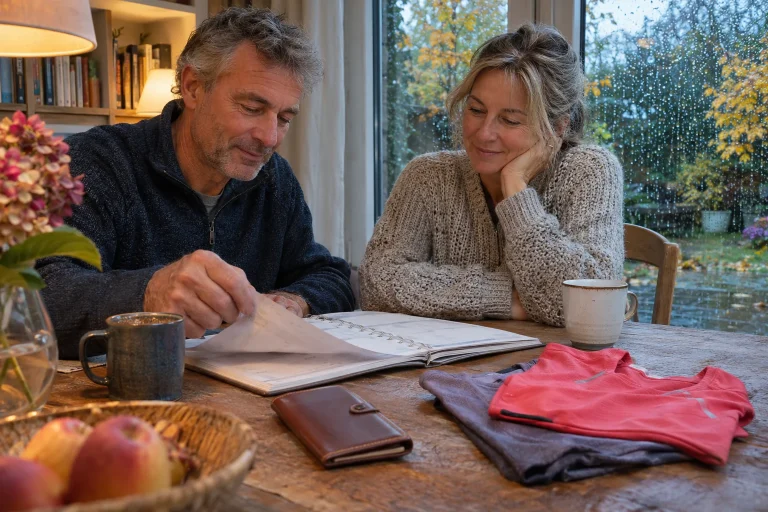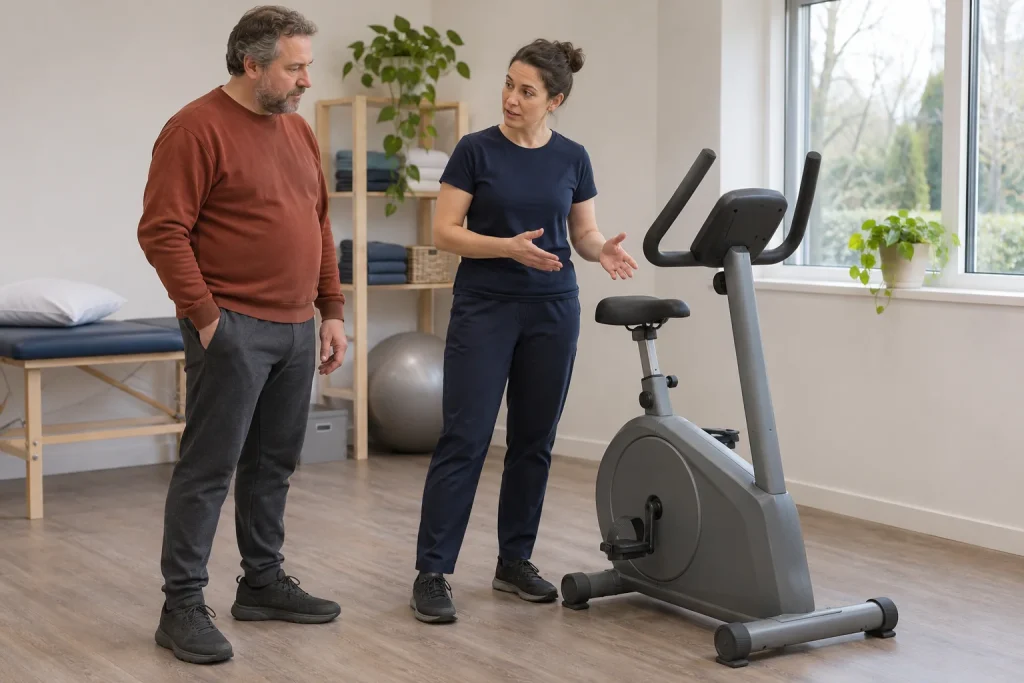
You have been advised to cycle instead of run and immediately calculate how much pedalling equals the missed loop. Often the wish is to preserve routine and a sense of work completed. But for an alternative chosen because of joint symptoms, a kilometre exchange rate is the wrong starting point. First clarify purpose, the version fitting your condition and the response to observe.
Sudden severe joint pain, substantial new swelling, a hot or red joint, fever or feeling unwell warrants urgent medical assessment. Do not automatically switch to a bike because running is difficult. The NHS information on joint symptoms specifically warns about these changes. A lower-impact activity’s name does not replace assessment of a new situation.
Why might cycling be suggested, and what does that not mean?
The CDC general information lists cycling among joint-friendly, lower-impact options. That is public-health context, not individual advice for every injury. Without running’s same landing, the joint still participates in the task. Interpret symptoms, bike and programme together.
If a professional says cycling may be more appropriate now, ask its exact purpose. Temporary recreation, preserving some endurance or a specific rehabilitation task create different expectations. Advice does not necessarily mean moving every load from the old running plan onto another device.
‘Cycling’ can be too broad too. A stationary bike, everyday flat-route riding and a long hilly outing are different programmes. Decide beyond the sport name. Describe available equipment, conditions and experience so advice becomes feasible.
Distance does not measure an identical biological task
A kilometre running and cycling are different movement sequences. Posture, propulsion and interaction with equipment differ. Distance is meaningful in both but does not alone reveal effort or joint demand. No universal ratio can calculate appropriate replacement training for unknown symptoms.
Terrain, headwind and stops also change a cycling kilometre’s meaning. Stationary-bike distance is that machine’s displayed data, not an individual rehabilitation result. It need not be worthless; preserve its meaning as distance data rather than a medical measure unifying every sport.
A ‘one running kilometre equals this many cycling kilometres’ formula may soothe a sense of missing out while losing the original goal. If symptoms prompted changing running, cycling must fit that situation. A blank running-log entry does not require creating the same fatigue elsewhere. Rehabilitation is not a balance sheet demanding repayment.
Time and effort also need a purpose
Duration better describes how long you performed a task, but does not automatically establish equivalence. Brief high-resistance cycling and a more comfortable programme differ. Clarify any individual time or effort guidance precisely. This article selects no generic heart-rate range, resistance or duration for unknown symptoms.
Keep familiar running sensations separate. Cycling producing different fatigue does not necessarily make the programme incomplete; it may serve another purpose. Conversely, substantial fatigue does not prove the joint loading appropriate. Overall effort and local symptoms do not replace one another.
If asked for observations, describe the actual programme: duration, machine or route and agreed task. Add the joint’s response and later everyday travel alongside ‘it felt easy’. Useful feedback does not require merging every datum into one score.
 Enlarge image
A recreational alternative and therapeutic exercise have separate roles
The American College of Rheumatology information distinguishes professionally prescribed therapeutic movement, recreation and competition. Recreational activity does not automatically replace individual therapeutic exercises. After switching to cycling, a task with another purpose may be neglected simply because you already exercised that day.
If given strengthening or rehabilitation, ask how it fits cycling. You need not add minutes yourself to decide which replaces the other. They may serve different goals or require adjustment in your plan. More logged activity does not prove every important element of care happened.
Competitive cycling is not merely a longer version of the same alternative. Name fast group training, a hilly event or performance testing as specific goals. Do not derive them from a physiotherapist’s more comfortable activity suggestion. Discuss ambition honestly without quietly expanding the advice.
Access and usability belong in the decision
A stationary bike is not automatically appropriate because a friend rehabilitated on it in the same gym. Can you use it comfortably, understand settings and mount and dismount safely? Clarify setup and conditions with someone who knows both device and condition; a general photograph cannot select your knee angle or saddle height.
Outdoors, traffic, stops, terrain and getting home belong to the outing too. A long unpredictable trip may create another task when the goal is clear, personally suitable activity. This does not prohibit all outdoor cycling. It recognises the whole environment rather than only the middle minutes of movement.
Mention financial and practical barriers too. Not everyone owns a bike, gym membership or accessible flat route. ‘Cycle for now’ works only when the option is available. If not, request another solution fitting the individual goal; movement planning for symptoms need not begin with a purchase.
Follow symptoms and everyday function separately too
You can observe the joint during and after activity. Do not reduce agreed observations to one pleasant moment. Describe mounting, dismounting, getting home or later tasks. No new painful test is needed. Convey the full response to movement already completed.
| What could you record? | Why is it different information? |
|---|---|
| Duration and task | Describes what you did from the individual plan. |
| Equipment and setting | Identifies the stationary bike or actual route. |
| Local symptoms | Separate from general tiredness. |
| Later function | Shows changes in daily travel and tasks. |
If new or unusual symptoms occur, repaying missed running should not decide continuation. Have clear guidance on responses requiring change or contact. This table does not score suitability or provide a general pain threshold. Observation supports professional follow-up without replacing it.
The day’s demands do not end at the bike display
Standing work, much walking or stairs may precede cycling, with shopping or family tasks afterwards. Leaving these out makes the session seem easy while the rest of the day remains demanding. Explain what cannot be omitted and what can be rearranged.
Imagine someone replacing a missed run with a longer ride, then walking home to complete the step count too. Several metrics balance, but the original symptom-related goal may remain unclear. App expectations do not prescribe rehabilitation. Every displayed shortfall need not be erased through another activity.
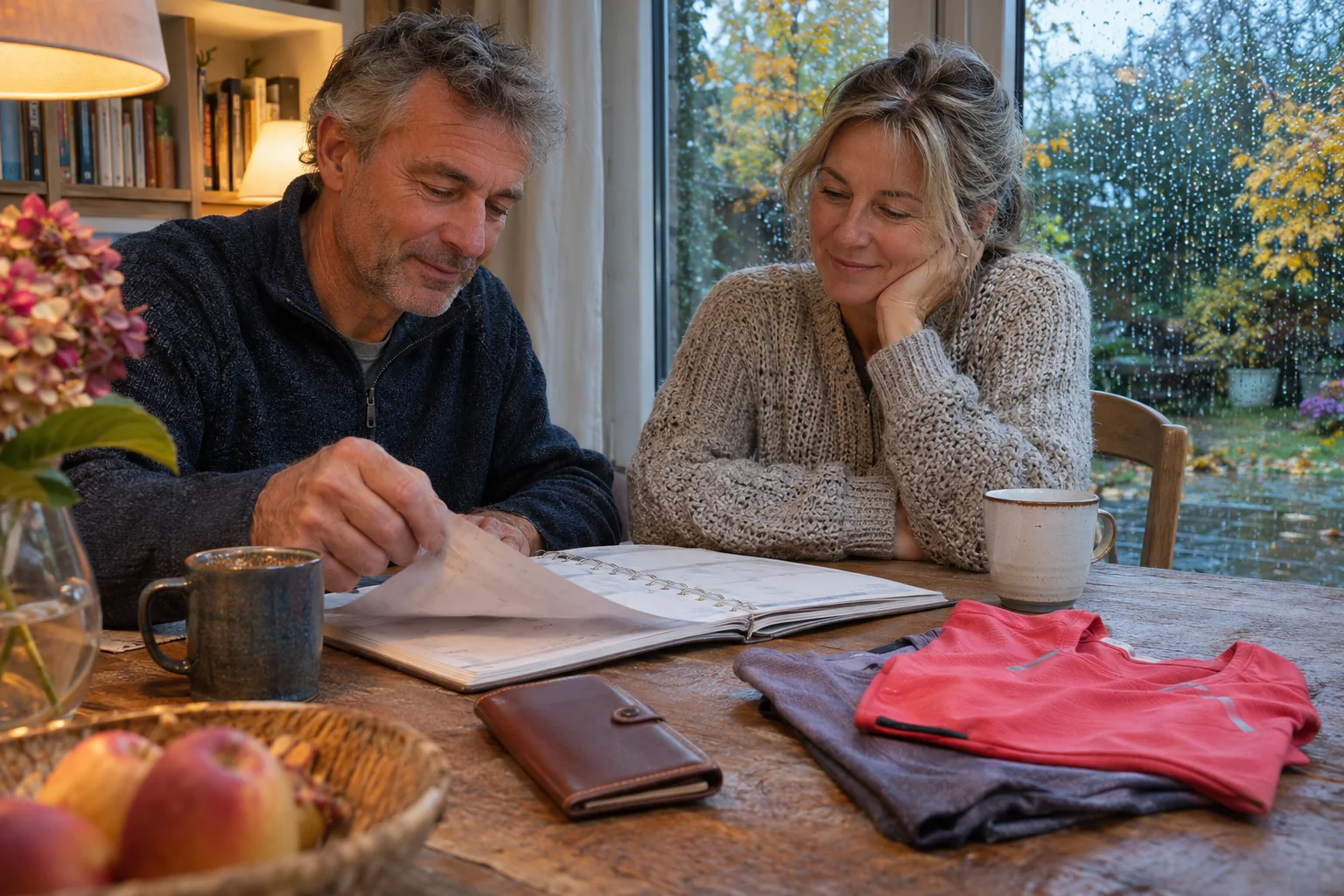
Asking for help can be part of rearranging. Postponing or sharing a task is not a sports result, but may make the agreed programme feasible. A realistic plan includes the whole day rather than attractive workout data with other circumstances invisible.
 Enlarge image
Replace repayment pressure with a temporary personal goal
If weekly distance structured running, another phase can be hard to interpret. Name the current goal separately: carrying out agreed activity, arranging access or accurately reporting symptoms and function. These are different tasks for the present, not inferior versions of earlier performance.
The goal cannot be moving every day at all costs. New or worsening symptoms may need healthcare discussion. Flexibility means more than substituting another sport; routine can change with condition and advice, and a missed outing does not automatically create later debt.
Tell running friends simply that you follow a separate activity plan rather than converting previous kilometres. You need not provide comparable performance in every conversation. Connection can remain without your health becoming a community competition.
Do not let cycling results decide return to running
A successful ride does not alone show how a joint will respond to running. Discuss the next running step separately because movement differs. You need not complete a particular cycling distance as an exam before asking. The decision relates to assessing your condition.
Ask at review: ‘I completed the agreed cycling under these conditions and felt this during and afterwards. What does it mean for the next step?’ It offers useful information without an invented conversion. Report infeasibility or symptoms just as objectively.
Cycling’s value is not erasing every missing running kilometre. It can fit when appropriate to your condition and goal, accessible and followed as agreed. Distance can remain interesting data, but an arbitrary ratio should not define the individual activity plan.
Sources
- CDC: general activity options with arthritis
- American College of Rheumatology: therapeutic, recreational and competitive activity
- NHS: joint symptoms and urgent changes
How Futószív articles are prepared: our editorial guidelines.