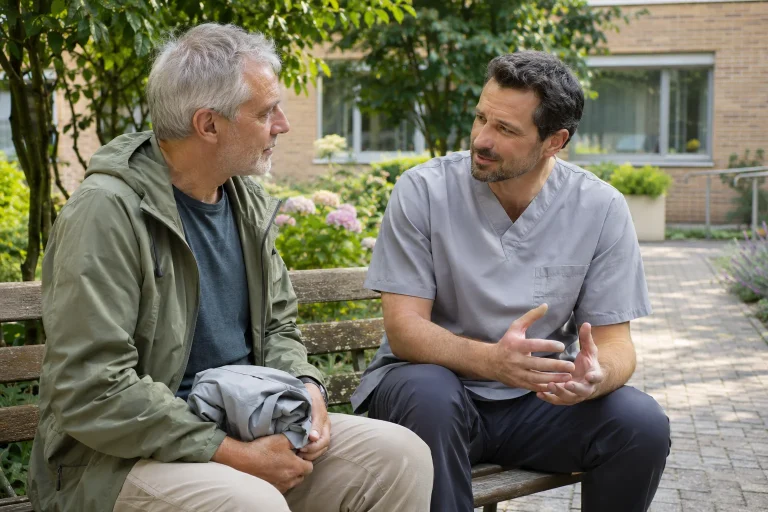
Many athletes have a familiar story for fatigue after a hard run: exertion, food, sleep and return. Exhaustion alongside cancer or its treatment can work differently. It may occur after little activity and may not fully resolve with rest or sleep. Report harder daily tasks to your care team even if you previously ran long distances.
The aim is neither losing your sporting identity nor proving persistence. Understanding fatigue involves treatment, symptoms, everyday function and personal plans together. Movement may support you, but its form and framework need adaptation to the present situation. An old training load or another patient’s experience cannot identify your appropriate next step.
What distinguishes cancer-related fatigue?
The National Cancer Institute describes exhaustion that can affect physical, emotional and attentional function. Familiar activities can become difficult, and rest may not leave you refreshed. This is not simply a name for a very bad sporting day. It can develop before, during or after treatment, and experiences differ substantially.
As a runner, you easily notice slowing pace, but fatigue may appear earlier or elsewhere. Organising shopping, following a long conversation or switching work tasks can become harder. Not every experience needs translating into sporting metrics. Tell the clinician how your function changed and what obstructs things important to you.
Macmillan’s patient information also lists difficulties with attention, memory and decisions as possible experiences of fatigue. If ‘I am tired’ says too little, add an example: beginning an everyday task but needing to stop, or finding a familiar routine harder to think through. Symptoms need not be measured against a former marathon result.
The care team investigates causes, not only rest-day counts
Several factors may contribute. NCI discusses cancer, different treatments, sleep and eating difficulties and other health conditions. Assessment may consider anaemia or infection, for example. You need not select the ‘real’ explanation at home; describe symptoms and treatment background accurately.
Say when exhaustion began or changed relative to treatment. A perfect retrospective timeline is unnecessary: approximate timing, treatment name and observed change provide a start. Do not automatically label a new symptom a known side effect. Follow existing urgent or reporting instructions and ask what warrants earlier contact with the team.
Bring a full list of medicines and supplements, including products not prescribed for cancer treatment. Buying something promising to address fatigue does not replace missing assessment. Do not independently change treatment or timing for running. If earlier advice leaves daily function difficult, return that as a specific question to the clinician.
 Enlarge image
Show what gets left out of your day
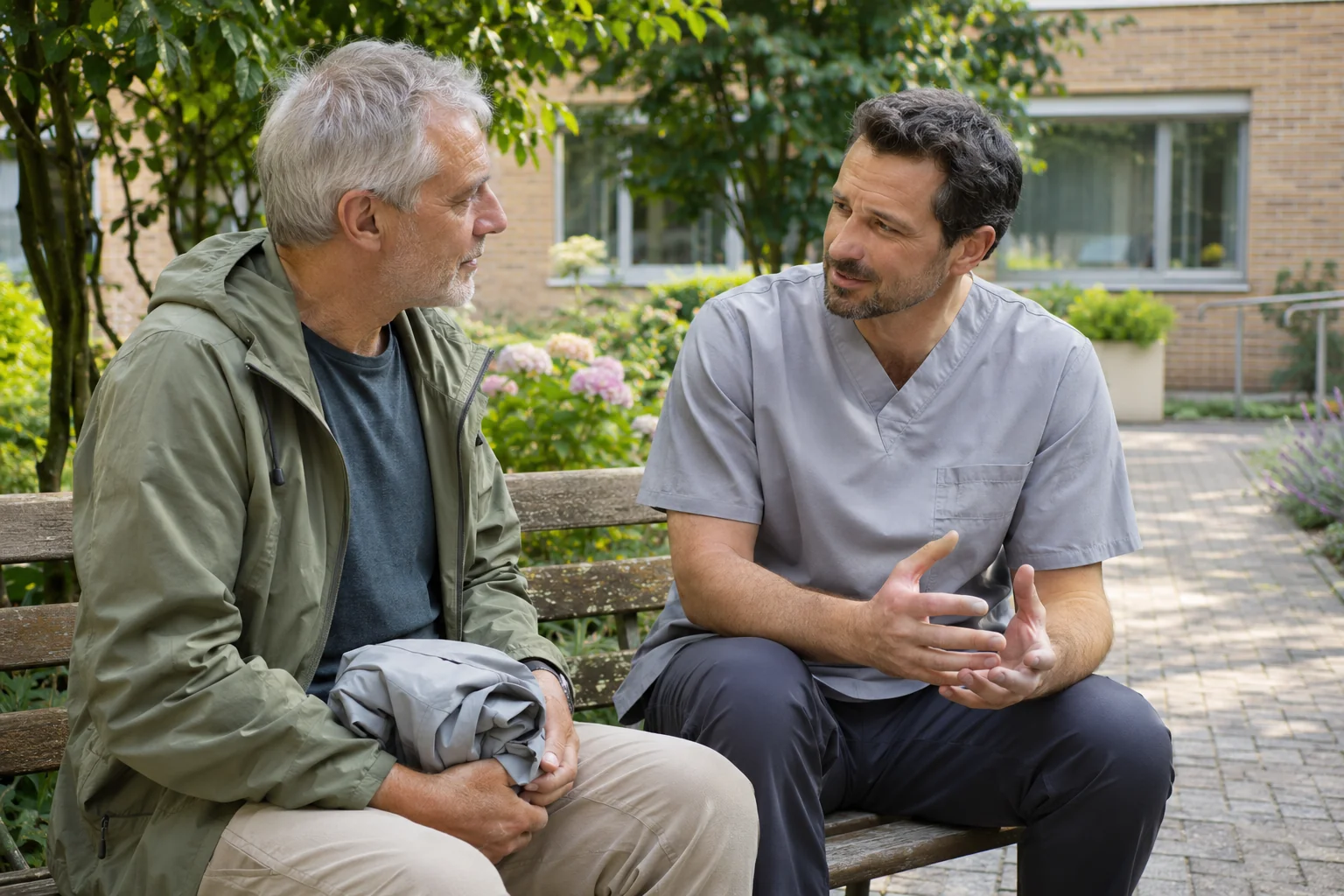
An everyday situation often says more about fatigue’s impact than a familiar sporting self-description. Explain what used to be manageable and became harder: making food, reaching an appointment, working for a while or joining a family activity. This identifies where help is needed rather than checks performance. Say if someone else had to take over a task.
Include better periods too, not to disprove worse ones, but to give the clinician a fuller picture. If an important task is easier in the morning and difficult in the afternoon, note that. Add treatment and daily circumstances to differences between days as far as known. Every change need not have a certain cause.
If the clinician gives a fatigue diary or assessment questions, follow their guidance. Macmillan also recommends sharing the diary and observing daily patterns. Do not create a self-rating rule that turns one score into compulsory training. Notes support professional conversation rather than replace assessment and personal guidance.
| Observation | What can you add? | Which question does it help ask? |
|---|---|---|
| Physical exhaustion | Which daily task became difficult or was missed? | What support and assessment are needed? |
| Attention difficulty | A specific example of conversation, administration or a decision. | How can the care plan become clearer and easier to follow? |
| State after rest | What changed and what remained? | How should persistent symptoms be assessed? |
| Function after activity | What happened during the rest of the day? | Is the chosen activity and framework appropriate now? |
Possible exercise benefits do not prescribe running for everyone
The 2024 ASCO and Society for Integrative Oncology guideline discusses exercise as a supported option for reducing cancer-related fatigue during and after treatment. It concerns aerobic, strengthening or combined activity tailored to individual ability. Safety, personal preference, access and feasibility matter when selecting type, intensity and duration.
This does not require everyone to undertake increasingly long runs. The guideline considers different treatment settings, and recommendations cannot all transfer automatically to advanced disease. Clarify currently appropriate activity and support with your oncology team. Reducing fatigue and preparing for a race are different planning tasks.
CDC’s general activity guidance for chronic conditions also recommends professional discussion of suitable type and amount. Public weekly minutes are not automatic personal running quotas. If daily independence or a short supported activity is the current goal, that is not less valuable. Build from present condition rather than rush back to past results.
Plan rest and important tasks together
Rest is not a reward after completing training. With cancer-related fatigue, it can have its own place in the day, and important tasks deserve prioritising. Macmillan discusses scheduling around treatment and current wellbeing. This does not make every day predictable; it helps avoid cramming everything together at the last minute.
For a personal planning example, choose one indispensable activity and one that brings pleasure. Do not impose a compulsory ranking on the rest: consider help or postponement. Professional activity advice should fit this real day. If training would consume all available energy and jeopardise meals or reaching care afterwards, report that conflict to the team.
Discuss sleep and daytime rest personally too. Persistent exhaustion does not always resolve through more sleep, yet sleep difficulties may still need separate support. One perfect evening routine will not necessarily solve everything. Clarify how rest, treatment and permitted activity fit together using symptoms and guidance received.
A running community helps when it asks for no proof
Friends may intend encouragement with ‘just start, you will feel better afterwards’. More useful here is specific help: accompanying a consultation, doing shopping or arranging a meeting without performance requirements. Let the person decide what they need and want to share. They need not prove fatigue through a sporting task in front of others.
If social connection matters, it can temporarily take another form. Brief conversation, a seated activity or a phone call is no less real than shared distance. These are organisational options, not treatment promises. Agree meeting content with the person and retain flexibility if that day’s planned activity is not manageable.
Language matters in support too. ‘You must be completely well because you came out’ can misread the situation. A moment of participation does not reveal the rest of the day or full treatment background. Asking whether anything needs simplifying helps more than turning regained pace into a celebratory expectation. A community need not take the care team’s role to offer support.
 Enlarge image
Let the next discussion produce something specific and reviewable
Bring key daily examples, treatment timing and your activity goal. Ask whether other causes of fatigue need investigation, which activity is advised and who helps implement it personally. Guidelines support decisions; your plan must also contain symptoms, current care and everyday circumstances.
Do not postpone new or rapidly worsening changes until routine review if the team requested earlier reporting. Know which symptoms require contacting whom, how and outside normal hours too. Keep emergency guidance easily accessible. Changing the sporting programme does not replace contact when care needs notification of a change.
The next step with cancer-treatment-related fatigue may be investigation, supported activity, schedule changes or coordinated support. The situation need not fit the recovery logic of a hard run. A useful outcome makes symptoms visible, keeps important daily goals in discussion and fits movement to your care plan without performance pressure.
Sources
- NCI: cancer-related fatigue
- ASCO–SIO: fatigue management guideline, 2024
- Macmillan: fatigue and cancer
- CDC: activity with chronic conditions
How Futószív articles are prepared: our editorial guidelines.