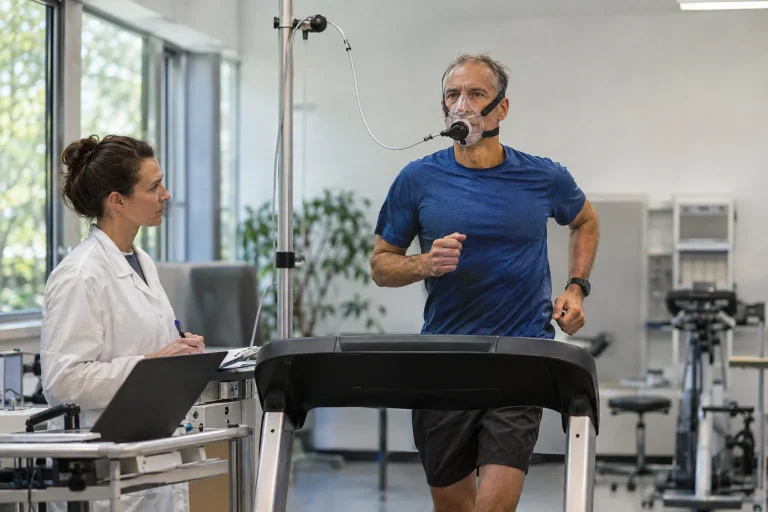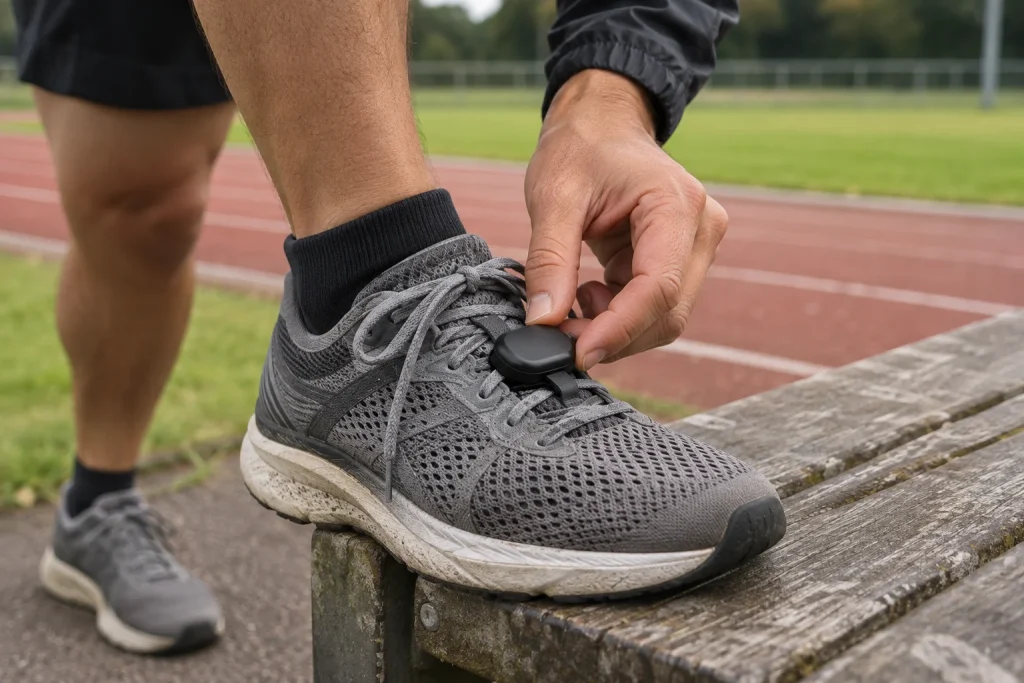
A sports watch displays watts while running, and at first the number seems as straightforward as elapsed time. It is easy to imagine every climb, headwind and pace finally combined into one perfect intensity measure. Running power can provide a useful perspective, but should not be treated as an all-knowing load meter. Its displayed value comes from sensor data and a particular system’s calculation model. To use it well, know which system operates, what input it uses and which decision you want from the number.
Watt is a unit; the displayed value is a system’s result
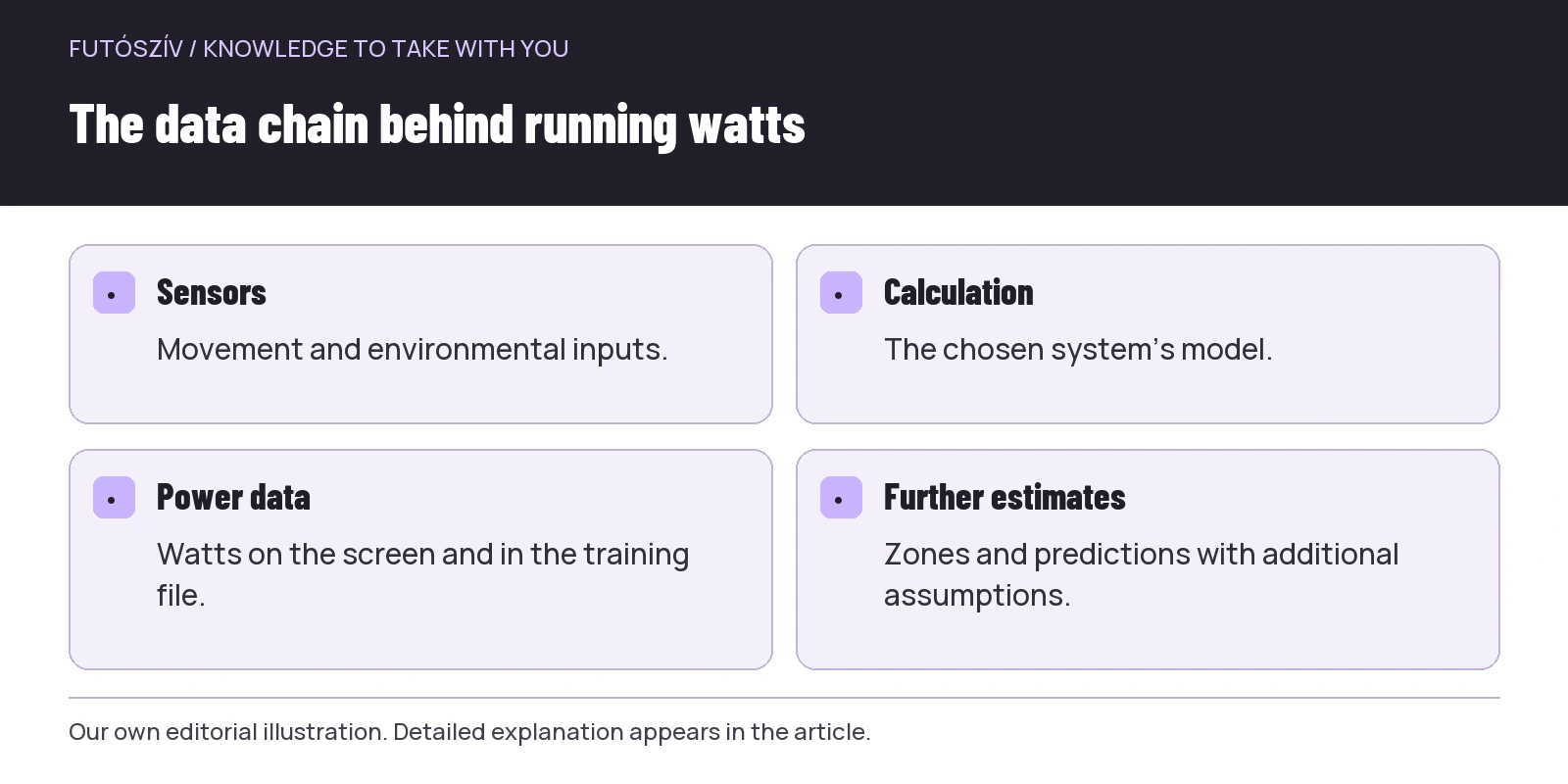
In physics, power relates to work performed per unit of time. A running device does not simply “read” your body’s total energy expenditure. The official Garmin manual mentions running-dynamics information, body mass, environmental and other sensor data as calculation inputs. This is an important reference: displayed watts have a definition and input requirements rather than directly summing every bodily process.
Distinguish measured movement data, calculated power and training advice derived from it. The first may be a sensor signal, the second a model-generated number and the third further interpretation. All can help, but their certainty differs. Incorrect input or settings can make later numbers misleading too. Recognising this is not rejecting technology; it lets you use watts appropriately without expecting answers the system was not designed to provide.
Clarify the data source first
A watch can offer native running power, an external foot sensor and a separate data field. It is not always obvious which number reaches the display, file or external training platform. Check current manufacturer information for source selection and compatibility. If two places show different watts for the same run, inspect this chain first. Do not judge fitness or technology from one suspect average. Recording the source is as fundamental as knowing which sport profile you started.
Write a simple equipment note: watch and software, external sensor, selected power source and app. Every run does not need a long inventory, but changes need a record. Compare readings cautiously across an update, new sensor or setting change. A changed system may affect continuity. A graph jump is not automatically major improvement or decline. Understand the measurement setting before drawing a meaningful sporting conclusion.
 Enlarge diagram
Text version of the illustration
- Sensors
- Movement and environmental inputs.
- Calculation
- The chosen system’s model.
- Power data
- Watts on the screen and in the training file.
- Further estimates
- Zones and predictions with additional assumptions.
Why not chase another runner’s watts?
Body mass, movement and calculation system can affect the display. Identical numbers for two people do not mean identical relative effort, nor are numbers from different systems necessarily interchangeable. Watts per kilogram does not remove every difference either. What began as a personal training tool can become a contest. Observe how easy, moderately hard and hard sections relate within your own properly configured system rather than adapting training to someone else’s screen.
Cycling-power experience cannot be transferred unchanged to running either. Movement, device and calculation differ. Do not use cycling-zone numbers as running zones merely because the unit matches. With a coach, clarify which sport, device and test produced the targets. Clearly named zones and sources prevent many misunderstandings. Technical discipline here does not complicate matters; it clarifies foundations so you think less about them on the run.
Why can power help on hills, and why not without limits?
Forcing a familiar flat-ground pace uphill can change a session’s character. Power can reveal a different task and show that pace alone is inadequate as a guide. The Garmin technology explanation incorporates speed, climbing and other movement characteristics. The practical possibility is more even effort adapted to circumstances. Breathing, leg sensations and the route still need attention.
On technical ground, holding one target power does not automatically make movement appropriate. Safe steps and control matter more than a screen among rocks, roots, tight bends or steep descents. One number cannot fully describe downhill mechanical and muscular demands. A lower reading does not mean a section is easy in every sense. Give a guiding metric an appropriate task: provide a reference rather than encourage a pace you cannot manage on the terrain.
Wind handling is device-specific
Some systems include wind-related information, but differently. The Garmin support description says wind adjustment can incorporate local weather, barometric and direction data. Another device may use a different sensor or model. This does not mean the watch senses precisely the wind on your face at every street corner. Buildings, forests and sudden gusts create particularly variable conditions. Do not translate a feature name into unlimited environmental knowledge.
To use it, check required connections and settings, comparing the display with experience. Do not aim to explain every discrepancy immediately. A note may help: at the same pace you saw higher values in an open headwind, while the sheltered section felt different. This is observation, not independent validation. If wind is dangerous, no power-based inference replaces changing route or session. Physical environmental risk remains separate.
Critical power is an estimate dependent on data
Platforms often use critical power or a similar threshold-like value for zones. Names and calculations depend on the system. The Stryd feature description explains how critical power relates to its training zones. This is that platform’s explanation, not a measurement definition automatically applying to every runner and device. The estimate infers from available runs; incomplete, unusual or faulty data calls for caution with the result.
A new threshold number does not necessarily mean capacity changed overnight. Model inputs may have changed, new data may have entered or an older result left the analysis period. Read the system’s explanation rather than simply celebrating an up arrow or fearing a down arrow. Do not perform a maximal test solely for an incomplete graph. If testing makes sense in training, plan it to suit your health and programme, with professional help where needed.
 Enlarge diagram
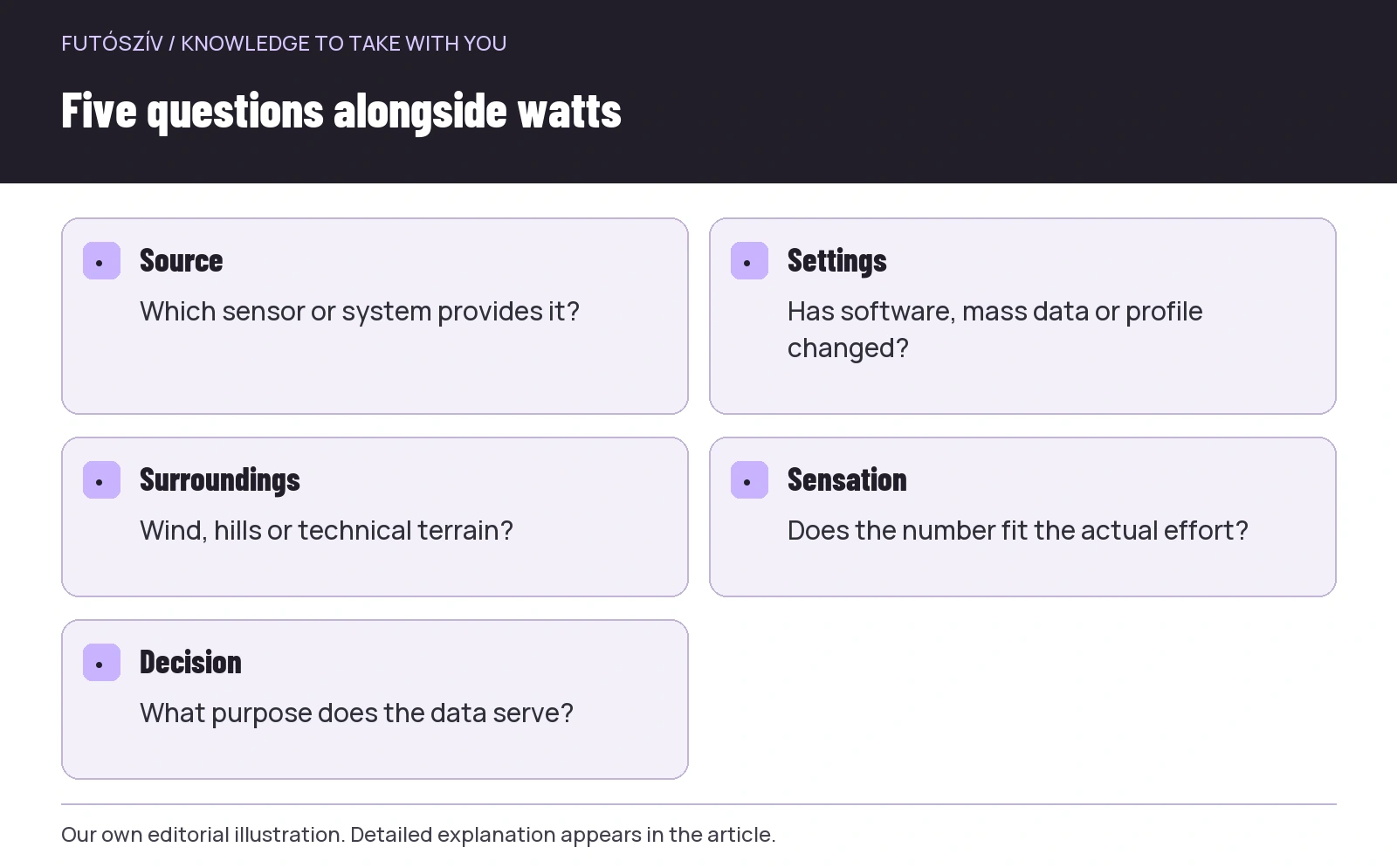
Text version of the illustration
- Source
- Which sensor or system provides it?
- Settings
- Has software, mass data or profile changed?
- Surroundings
- Wind, hills or technical terrain?
- Sensation
- Does the number fit the actual effort?
- Decision
- What purpose does the data serve?
Race estimates: conditional plans, not promises
A predicted finish time from power is attractively specific. Minutes and seconds can nevertheless combine many assumptions: suitable input, knowledge of course and conditions, the runner’s durability and how the day unfolds. The Stryd race calculator also lists data-volume and model requirements. It can help when you understand them and use it within a considered start plan. A displayed time is not a contract with your body to deliver it in every circumstance.
Leave room to adapt during races. Start congestion, weather, fuelling, course and current sensations can all change matters. Forcing target watts because a model suggested them is not a good rule. Review the plan if the target feels unusually hard. Nor must every moment of an easier section maximise the number. Race management uses several sources of information; power can be one.
| Metric | What can it indicate? | Important limitation |
|---|---|---|
| Instantaneous watts | Current mechanical demand as defined by the system | Noise, model and rapid environmental changes |
| Section average | Comparison of a defined section | Only with known sources and circumstances |
| Critical power | Platform-specific zone calculation | An estimate dependent on input data |
| Race prediction | A conditional planning starting point | No guaranteed finish time or healthcare guidance |
Mass settings are data, not a graph trick
If the system uses body mass, handle it as real data according to manufacturer instructions. Do not change it for a better-looking ratio or assume higher watts automatically mean better fitness. Note setting changes because they may matter for comparisons over time. Running data is not meant to create an impressive personal ranking. It helps when the system remains consistent and transparent and you know at least the basics behind changes.
A watts-per-kilogram display is not weight-loss guidance. Do not make body-composition, nutrition or health decisions from a watch ratio; this article gives no such intervention advice. The technical point is that changing an input can change a calculation, making comparisons conditional. If a platform ties satisfaction too closely to one value, changing the view may help you attend to running’s actual goal: consistent movement appropriate for you.
Observe your own system simply and safely
During the first weeks, do not rebuild all training around watts. On familiar, easy routes, notice changes with pace, climbing and sensation. Use a clear display and review longer sections afterwards. Seek interpretable patterns rather than one-second spikes. Record which sensor supplied which data and note unusual circumstances. This seems slower than immediately choosing a target zone, but better grounds your understanding of how the system works for you.
Later, choose which runs give power a more prominent role and which keep it in the background. A steady, measurable route may call for a different role from technical terrain. Sensation, breathing, heart rate and pace are other perspectives, not power’s enemies. Good use does not mean simultaneously following every displayed number. It means selecting the appropriate signal for the task and recognising when it does not fit. You do the running; calculation can support the decision.
Sources and further reading
- Garmin manual: Running Power
- Garmin: running-power technology
- Garmin support: running power and wind
- Stryd: data and critical power
- Stryd: Race Power Calculator
How Futószív articles are prepared: our editorial guidelines.