The droplet icon does not reseal the watch case
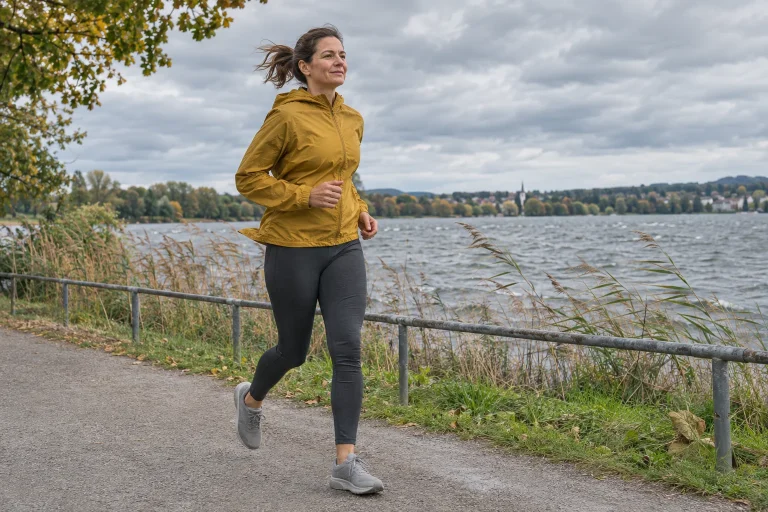
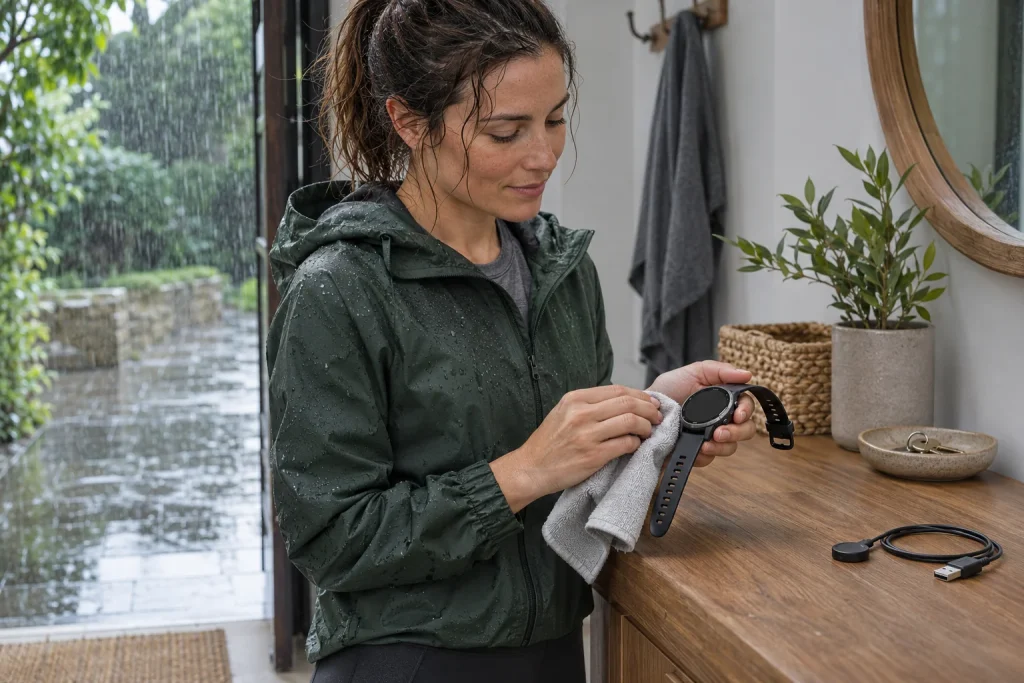
Running in rain, the display reacts to accidental touches, so you enable Water Lock. The screen no longer misbehaves, but the watch’s physical water resistance has not thereby changed. Control locking and case protection perform different tasks. One is a software operating state; the other belongs to the device’s design and use conditions. Preserve these meanings separately.
Apple’s Water Lock description identifies prevention of accidental display touches: when enabled, the display does not respond to touch. On unlocking, sounds help remove water from the speaker. This does not describe creating a new seal. Operate the feature as appropriate to the current system, but read water-resistance conditions separately. Source: Apple Water Lock.
For runners, three questions follow: how the watch remains controllable in wet conditions, what its own water-resistance rating permits, and what cleaning and pre-charging steps follow. No single icon answers all three. Checking them separately reduces reliance after a rainy workout on a feature designed for another problem.
IP and metre labels: test conditions are part of the information
Do not read a water-resistance label as one number convertible to every activity. Garmin’s rating table explains IP labels through defined water-exposure conditions and ATM through equivalent pressure. Read your product’s specification with its use restrictions. A larger number does not automatically add support under every other condition. Source: Garmin water-resistance ratings.
In Garmin’s example, IPX7 relates to incidental immersion up to one metre for up to thirty minutes; the manufacturer specifies IPX8’s particular depth. The table’s 5 ATM label means pressure equivalent to fifty metres depth. Do not reinterpret it as standalone diving permission. The activity approved for the product is the meaningful use answer rather than an adventure inferred from a label.
In a purchasing example, one watch lists IP and another ATM. Compare more than the digits. Ask whether the intended activity is supported for each exact model and under which conditions. Rainy running, surface swimming and high-speed water exposure differ. If the seller answers only “waterproof”, your specific use question remains unresolved.
 Enlarge image
A rating is not a guarantee of every later condition
Apple’s water-resistance guide expressly states that resistance is not permanent and can diminish over time. Damage and certain chemical or use exposures can affect it. A device used for years and subjected to impact therefore cannot be assessed solely from its original specification. Looking intact is not homemade proof of sealing. Source: Apple Watch water resistance.
If the watch fell, a crack appears or moisture causes unusual operation, do not test its limit with another rainy outing. Seek the appropriate model-specific support or service procedure. Deliberate home immersion may cause exactly the damage you want to avoid. Clarifying current condition differs from enabling a software display lock.
When buying used, ask about damage, repairs and history separately. “It always handled water” does not establish protection for every future situation. Exact documented model, actual condition and current manufacturer conditions inform the choice together. If uncertain, do not add your own guarantee to the rating. Unknown history remains unknown even when that complicates buying.
Rain and soapy washing are different exposures
After wet training, treating the watch like a running shirt can be tempting. Cleaning instead follows the manufacturer’s procedure. Apple’s guide, for example, warns separately about soapy water and several chemicals that can affect seals and membranes. This need not transfer literally to every other product, but shows why fluid exposures are not all equivalent. Source: exposures to avoid.
Do not invent a stronger cleaning routine because a large metre figure appears on the watch. Consider solvents, detergents, strong water jets or heat only under the exact manual. Follow specified gentle rinsing or cloth use. A rating is not general household-chemical certification. Appropriate care belongs to use conditions rather than being an aesthetic step independent of resistance.
Strap and case materials can need separate care too. Removable textile, leather or metal straps are not necessarily treated like the watch body. Check removal, cleaning and drying in the exact product’s description. Reattaching a wet strap or applying one aggressive procedure to everything is not automatically appropriate. The aim is permitted cleaning rather than a general washing shortcut.
Button use also requires the specific model’s answer
Locking touch input and using physical buttons are different questions. A droplet icon does not mean every case component can be operated under any wet or underwater condition. The manufacturer may specify buttons, crown and other moving parts separately. Use your model’s manual, particularly when planning beyond rainy running.
Practise the supported display-lock and unlock steps beforehand in a dry, calm setting. You then need not experiment with random long presses in rain. Apple also distinguishes unlocking by system version, so an old video’s movement may not fit your current system. Learning operation does not alter the physical rating, but helps use a supported feature correctly. Source: unlocking Water Lock.
Clarify how to stop the workout while the screen ignores touch too. No immersion is needed: learn the sequence dry. The goal is a routine documented action without prolonged screen watching during running. If unfamiliar behaviour occurs, check exact model and system instructions rather than learning a randomly successful button combination.
Moisture becomes a new question before charging
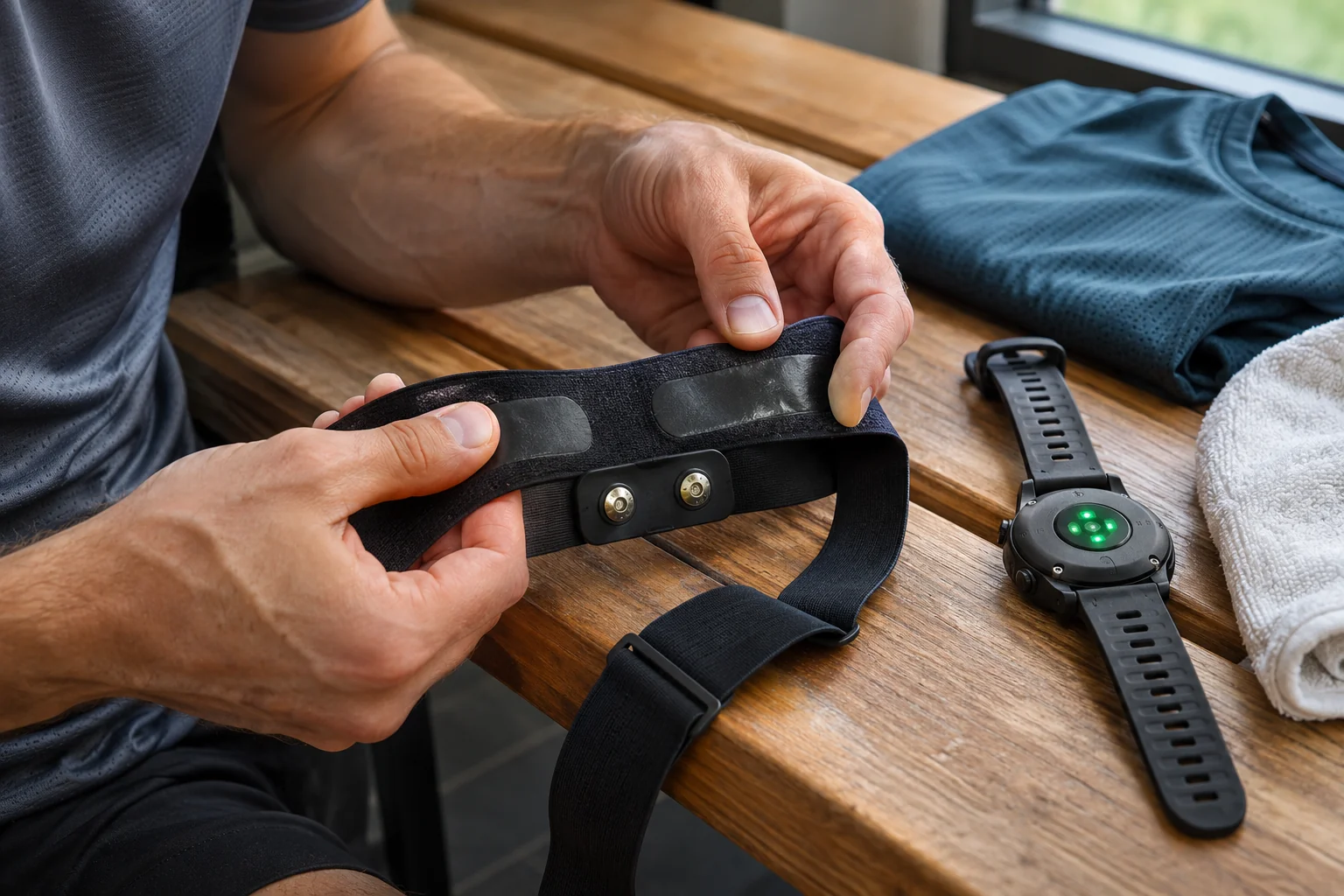
A device operating in rain is not necessarily ready to charge immediately while wet. Garmin Forerunner 165 charging instructions request thoroughly cleaning and drying contacts and surrounding areas before connecting to prevent corrosion. This specific guidance shows why water resistance and preparation for charging are separate tasks. Your watch charger has its own applicable conditions. Source: charging the Forerunner 165.
Keep the charger separately in a dry place after wet training until the watch meets required conditions. Devices beside each other in a photograph or on a table need not be connected immediately. Wet or dirty connector surroundings require appropriate cleaning and drying first. Wanting a quick charge does not override this, even before another early run.
Do not improvise a heat gun, hot hairdryer or high-pressure air for drying. Follow manufacturer care and seek support for concerning operation after moisture. Do not dismiss unusual charging behaviour because the resistance number is high. Connection circumstances are an independent technical condition. Device and accessory instructions together define the routine.
 Enlarge image
A brief post-rain check preserves usable condition
Finish recording through the learned sequence first, then examine the watch safely under cover. Look separately at surface moisture, strap condition and connector surroundings. Perform manufacturer-required cleaning through permitted methods. Uploading the log or file can wait until connection conditions are appropriate.
If water reaches the speaker, a supported water-ejection feature may help within its purpose. Do not call it a repair removing every bit of moisture inside the case. Water remaining in an opening and a problem with internal protection are different situations. Sound output is not a sealing test. Seek appropriate manufacturer troubleshooting for persistent unusual behaviour rather than repeating the feature to solve every possibility.
Write a simple routine: model-approved use, supported control lock, prescribed cleaning, suitable drying and then charging. Order matters more than a lengthy general checklist. Check the routine again with a new watch or strap. A movement or cleaner suitable for the previous model is not automatically correct for new material or connectors. Equipment changes can also change care conditions.
When buying, ask about the activity
A useful question is: what does the manufacturer intend this exact watch for in its present condition, and what restrictions apply? Name rainy running, possible swimming, button use and charging preparation separately where relevant. “It has Water Lock” answers only part of control operation. Obtain the resistance rating together with its conditions.
Keep the manual link and exact model name. For later uncertainty, you then need not reconstruct the original purchasing claim from memory. A source does not replace assessment of current condition, but clarifies the original use framework. Handle damage or repairs separately. Factory rating, present state and chosen activity are three details to consider together.
One word cannot summarise a running watch’s protection around water. Rating relates to documented exposure, Water Lock to operation and care to post-use condition. Understanding these roles prevents a droplet icon creating false confidence or a rating being used too broadly. A simple appropriate routine after rainy running helps preserve equipment more than the largest specification figure alone.
Sources
- Apple: Water Lock
- Apple Watch: water resistance
- Garmin: water-resistance ratings
- Garmin Forerunner 165: charging
How Futószív articles are prepared: our editorial guidelines.