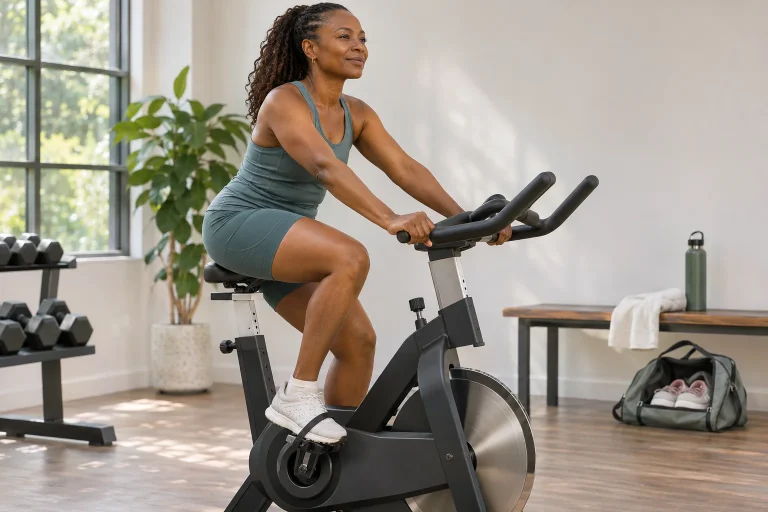
You want to move more, but even the thought of running does not excite you. Perhaps you tried it and did not enjoy it, or another activity simply interests you. This is not failure, and you do not need to talk yourself into a sport just because it is popular around you. An active life can be built from several forms of movement and everyday opportunities.
Three questions can help you choose: what do you want from movement, which form feels enjoyable or interests you, and what is accessible in your own life? Your individual condition and any restrictions matter too. The aim is not to try every option at once, but to find a starting point that makes sense to you and fits your real day.
Running is one option among several
The National Institute on Aging information presents the different roles of aerobic, muscle-strengthening and balance-focused activities. These are not different names for a single sport. Several kinds of movement can contribute to them and have different tasks within an individual plan. You do not have to expect everything from one chosen sport.
An endurance goal, for example, need not be approached solely through running. Walking, cycling, dancing or another appropriate activity may be considered. Strength work and balance-related tasks can meanwhile have separate places. The list indicates possibilities, not individual prescriptions; the particular form and structure depend on your own situation.
Rejecting running is therefore not the same as rejecting your health. At the same time, do not dismiss new pain or feeling unwell with ‘I do not like this sport’. Preference and a health signal are different things. Alongside seeking an appropriate activity, a symptom may require its own professional assessment.
First name the experience you seek
Do you want to be outdoors, move to music, learn something, have company or get quiet time of your own? Different experiences can connect to the same activity goal. If you disliked monotonous repetition in running, a different direction may suit you than if the outdoor environment or social comparison bothered you. The detail behind ‘I do not like it’ helps you choose.
The NIA practical guide also emphasises identifying personal obstacles, enjoyable variety and social support. These do not guarantee a new activity immediately becomes a favourite. They provide a framework so that a particular programme not fitting you is not interpreted solely as a lack of self-discipline.
Every session does not need to provide an extraordinary experience. A calm activity that is easy to organise may work over the longer term, while a less frequent spectacular outing remains a supplement. The choice does not need to impress others. Your own usability says more than social prestige built around a sport.
 Enlarge image
Walking can be a choice in its own right
The NHS information on walking highlights walking as an easily accessible option. Even here, however, choose a form suited to your purpose. A short journey combined with errands, a social session in a park and more deliberate walking on a designated route differ. They do not all fulfil the same task.
If you enjoy the environment but do not want to run, look for an easily reached place with clear sightlines for appropriate walking. Benches, toilets, surfaces and getting home can matter just as much as loop length. Walking need not be judged as slow running. It can have its own role in your day under appropriate individual conditions.
When organising a group walk, agree arrangements as for any shared outing. Where are you going, what is the shared rhythm, where will you stop and what happens if someone wants a change? ‘Only walking’ does not automatically make the task equally difficult for everyone. A precise framework prevents the faster participant deciding everyone’s programme along the way.
Learning and community can make dancing attractive too
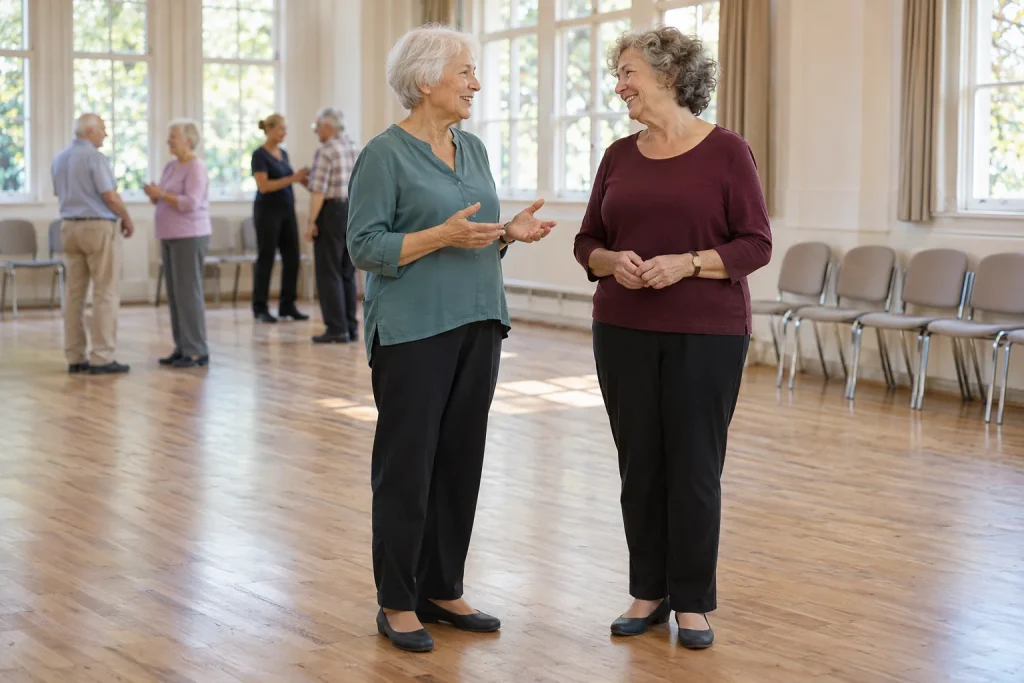
If you would enjoy moving to music, dance may offer a direction in which distance or speed is not the main organising principle. The particular class matters greatly, however: which movements, turns, teaching pace and social format does it use? A programme accessible to beginners differs from a rapidly changing class assuming previous knowledge.
You can ask beforehand how newcomers are welcomed, whether a partner is needed, whether seating is available and whether tasks can be modified. A dance class is not appropriate simply because everyone looks happy in a video. Actually being able to follow it involves instructions, space, sound and personal help too. Enjoyment and a workable framework matter together.
The NIA information on possible forms of activity also mentions dancing. This does not mean every dance class provides the same physical task or suits everyone. Your interest should meet the actual programme’s content when choosing, while necessary individual restrictions remain respected.
Cycling, water-based activity and the gym: details of access matter
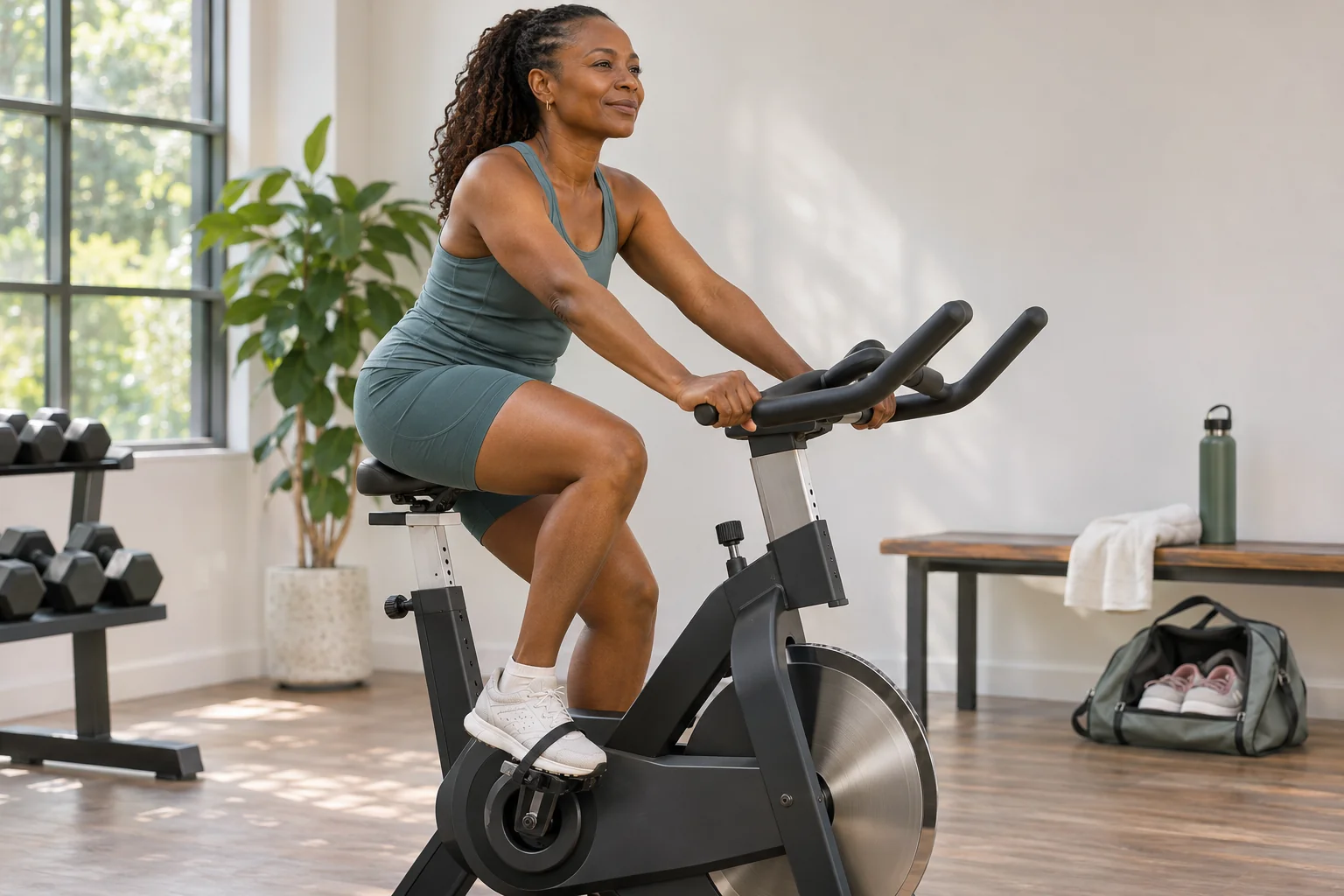
Cycling involves separate questions of handling the bicycle, the route, traffic and getting on or off. A stationary bike can provide another environment, but its adjustment and operation also need learning. Do not automatically regard the two forms as interchangeable on the basis of kilometres. First clarify whether the chosen solution is genuinely accessible and appropriate for you.
For water-based activity, entering, changing rooms, moving around the pool and how the session is led all form part of the programme. Not every water activity is swimming, and classes do not all expect the same skills. Alongside interest, learn how the local service works and how it fits your condition. A general description as ‘gentle’ does not answer these questions.
The value of a gym option may lie in understandable demonstration, appropriate equipment and feedback. Look beyond the number of machines when choosing. Is there help for the first session, how do they accommodate a newcomer and within which framework can you work independently later? Learning a new environment is a separate task; you do not need immediate performance to prove you belong.
Everyday movement and targeted tasks can work together
The WHO overview of physical activity also includes movement related to transport, home tasks and leisure. Not every option requires a membership or sports clothing. Daily journeys, gardening, housework or another appropriate activity can form part of an active day. The actual content matters, however, rather than simply the activity’s name.
Everyday movement does not automatically make every targeted task unnecessary. If an individual plan includes strengthening or balance learning, a busy morning does not necessarily provide the same thing. The two areas need not compete. Both can have a role in understanding your whole day when connected to appropriate goals.
Individually appropriate activities can also exist for wheelchair users. Sitting must not be equated with the absence of activity. Access involves actual conditions of space, equipment and support. Discuss possibilities in relation to the person’s own situation rather than devaluing them on the basis of the visible form of movement.
An individual plan can include several options without turning them into many new duties at once. Begin with a workable foundation and add activity serving other aims later. If a class ends or its time changes, another familiar form may ease adjustment. Variety then means preserving a few genuinely accessible choices, rather than collecting more programmes.
 Enlarge image
How can you compare two genuinely interesting options?
Start with a few forms that are real possibilities. Trying to arrange ten different sports at once can make the search itself a tiring project. A nearby, accessible and interesting option can be a good starting point even when a more distant programme looks more impressive in advertising. There is no need to find the perfect sport before the first session.
| Consideration | Question for both options |
|---|---|
| Interest | Which actual activity would I like to get to know? |
| Access | Do travel, timing, cost and location fit my real day? |
| Support | Are the necessary demonstration and individual adjustments available? |
| Goal | What task can I expect from it, and what remains a separate question? |
The table is not designed for scoring. One condition may make an option unusable now despite everything else being attractive. At other times, a small organisational change is enough. Choosing requires understanding the kind of obstacle, rather than deciding whether you are sufficiently motivated for an uncomfortable arrangement.
Age alone does not mean automatically beginning a separate round of examinations before every easy new activity. NIA’s activity guidance also distinguishes existing injury or a chronic condition from an older person starting gradually without these. If you live with illness, symptoms or individual restrictions, however, appropriate professional discussion may matter. The aim is to find necessary support. Neither prohibiting every option beforehand nor setting aside a real health question helps find a personally workable choice.
The first session can be learning rather than commitment
In a fictional example, a woman in her seventies chooses between two programmes: a distant, fast-paced dance class and a nearby session welcoming beginners and teaching more slowly. She first gets to know the nearby class. She asks about joining conditions and explains she is still learning the tasks. She does not immediately buy a long membership simply to force herself to persist.
Afterwards, she considers more than how tired she became. Was teaching understandable, was the environment appropriate, would she enjoy returning and where does she still need help? Physical symptoms are a different question from uncertainty as a beginner. If something persistently fails to work, the next choice can change on the basis of specific experience.
If she does not enjoy dancing after all, it does not mean no movement suits her. Rejecting one form provides information for the next search. She may prefer an independent outing, different music, a smaller group or an entirely different activity. The trial still offered something even if it did not become a long-term habit.
Staying active then does not mean adopting a compulsory running identity. Personal goals, interest and real access together can provide a useful path. Your choice is valuable not because it resembles your running friends’ programmes, but because it connects appropriately and manageably to your own life.
Sources
NIA: aerobic, muscle-strengthening and balance activity; NIA: personal obstacles, variety and activity; NIA: forms and roles of movement; NHS: walking; WHO: everyday forms of physical activity. Checked: 21 November 2026. The choice table and trial session are our own editorial examples, not individual activity prescriptions.
How Futószív articles are prepared: our editorial guidelines.