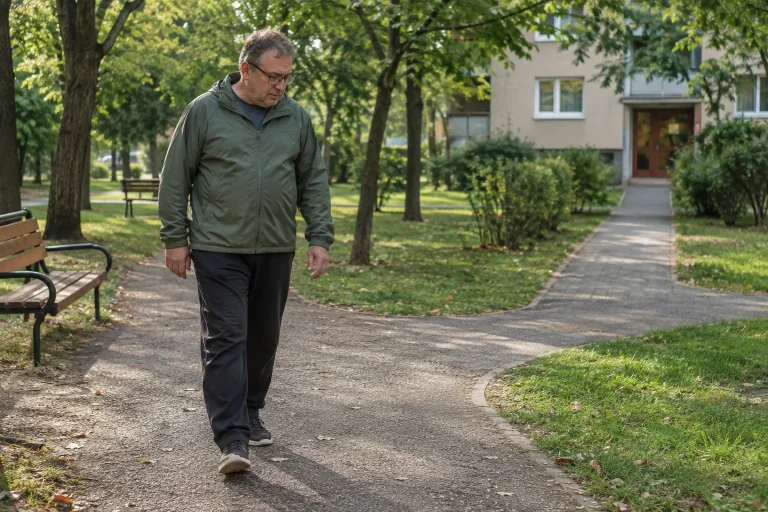
You move comfortably in a flat park, yet the railway station’s stairs feel different. This does not automatically mean that “Your endurance has worsened”, nor that stairs are simply the same task over a shorter distance. Direction of movement, step shape, support and surroundings all change. In older age too, examine these separately rather than seeking one sporting judgement.
This article helps explain differences between stairs and level movement. With new pain, dizziness or unusual breathlessness, do not assess yourself by repeatedly using stairs. Severe breathing difficulty, chest pressure or sudden confusion may require urgent help; the NHS information on shortness of breath treats these as signs to take seriously. Stairs should not become a test of whether a symptom is “Real enough”.
Going up means raising your body too
Your body works during level movement as well, but stairs repeatedly take it to a higher level. Individual steps determine where your feet can land, and movement cannot be chosen as freely as on a broad, even path. Horizontal distance therefore does not fully describe the task. Even a short section may require different attention and effort.
An original biomechanical study from 2023 examined stairs of different inclines and level walking. Joint mechanical work differed between ascent and descent, and task demands changed with incline. Participants were young adults: this illustrates movement differences, not personal exertion limits for every older person.
As a runner, clarifying the question is especially important. Experience of level jogging can be valuable without removing the stairs’ own conditions. Knowing a park path well does not mean you need not separately notice the stair edge, turn or landing. Switching between these situations is a changed task, not failure.
Going down does not eliminate the work
Descent may look easier because you are not moving upwards. Yet downward movement must be controlled and the next tread reached accurately. The downward journey is therefore not merely rest. Avoid shifting all your attention to the next meeting, your phone or the person approaching behind.
A study with participants aged sixty to eighty-eight analysed muscular demands around the knee and hip on stairs. The authors found considerable lower-limb demands in the situation studied. This does not produce a universal rule that stairs are dangerous for every older person, but supports recognising descent as a meaningful subtask too.
Unsteadiness while descending need not be dismissed with “It is only downhill”. You can say that going up is comfortable while going down is harder. Naming the direction is more precise than “I cannot manage stairs”. Interpreting the difference requires neither a home competition nor repeated risky attempts.
The stairs’ shape changes the situation
Shallow, wide outdoor steps and a narrow cellar staircase with high risers are different routes. Consistency of step shape, where the stairs turn and the space at the landing matter. These differences exist even if you count the same number of steps in both places. Counting alone is a poor route description.
The UK HSE guide for health and social care settings considers lighting, handrails, surfaces and unobstructed access when evaluating stairs. This is neither a Hungarian building standard nor an individual suitability assessment. It does illustrate that environmental safety does not depend solely on the user’s skill.
If you regularly struggle somewhere, retain the precise circumstances: a dark turn, an uncertain tread edge or no comfortably reachable support. One poorly lit staircase cannot support conclusions about the whole city or every movement you make. Identifying the particular place may help find another entrance, time or solution.
 Enlarge image
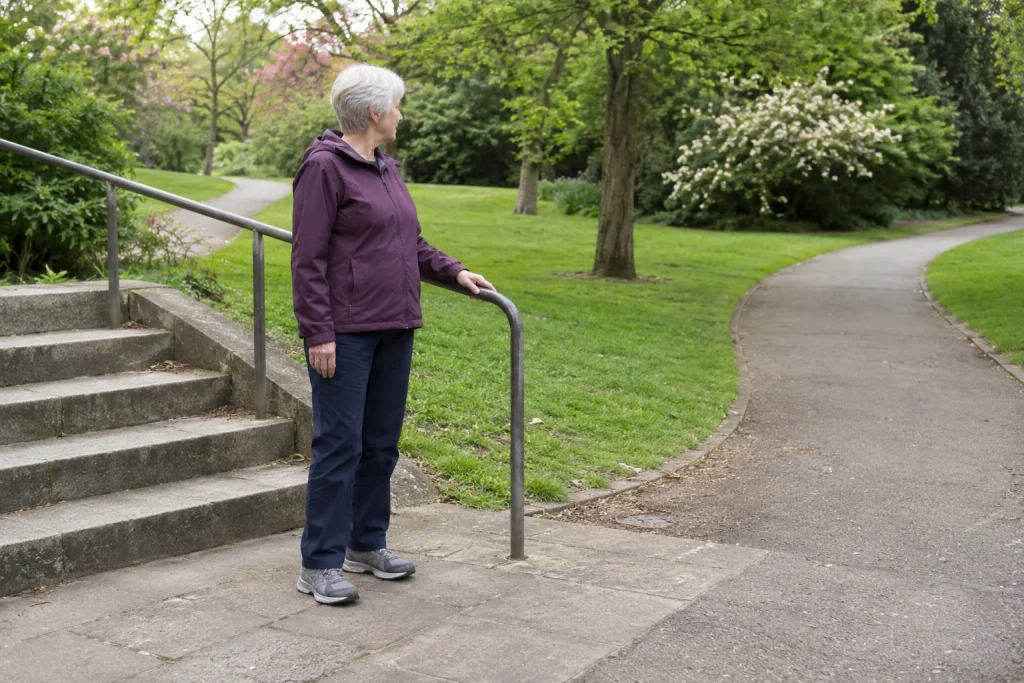
Using a handrail does not spoil the result
Everyday travel does not deduct points for using appropriate support. The purpose is reaching another level, not proving your hands could remain free. A stair challenge on social media often seeks spectacle. In your day, a predictably usable solution matters more.
Bags change the task too. Arriving empty-handed differs from carrying shopping or an object requiring balance alongside running equipment. If carrying obstructs use of support or your view of the steps, rearrange transport too. Stairs and carrying need not be dealt with in the same trip.
If you need an assistive device, using it on stairs may require individual instruction. Do not invent a new technique from an online description or abandon usual help to appear more athletic. Matching appropriate support to your circumstances is a separate task, not a simple fitness measure.
Breathing and leg function may require different information
Difficulty on stairs may chiefly involve a breathing sensation, local leg fatigue, pain or unsteadiness. Name these separately rather than treating all as “Getting out of breath”. The aim is not self-diagnosis. Describing your experience more accurately clarifies what has changed from your previous functioning.
The NHS page on strengthening outlines separate exercises to support mobility. Such general information does not mean every stair difficulty can be resolved with the same exercise. A breathing symptom and pain during a specific movement may need different clarification even when they appear on the same staircase.
A useful observation is that a familiar route was previously comfortable but now brings a new symptom. You need not define a home step count below which it “Does not count”. Changes in daily function can be described against your own usual tasks. Seek healthcare assessment for recurring or worsening symptoms.
The way to your running loop belongs in the route
Route plans often begin at the park entrance, although an underpass, station footbridge or residential stairs come first. The journey home matters equally. A staircase difficult to use after training should not be discovered only on return. Reviewing the whole travel chain is everyday planning.
| Route section | Detail to clarify beforehand | What does it provide? |
|---|---|---|
| Exit from home or accommodation | Is another usable exit or lift available? | The condition for setting out does not remain hidden. |
| Station and underpass | Is the chosen entrance actually accessible? | Less need to rush on site. |
| Park or event entrance | Where does the flat detour connect to the meeting point? | Companions know where to wait. |
| Homeward section | Are the same options available on return? | The solution covers more than getting there. |
Using a lift or detour does not devalue later activity. Travel and training can serve different purposes. Every obstacle on the way need not become a separate workout task. If a previously used alternative is unavailable, modify departure plans instead of letting haste decide.
Everyday stairs or targeted stair training?
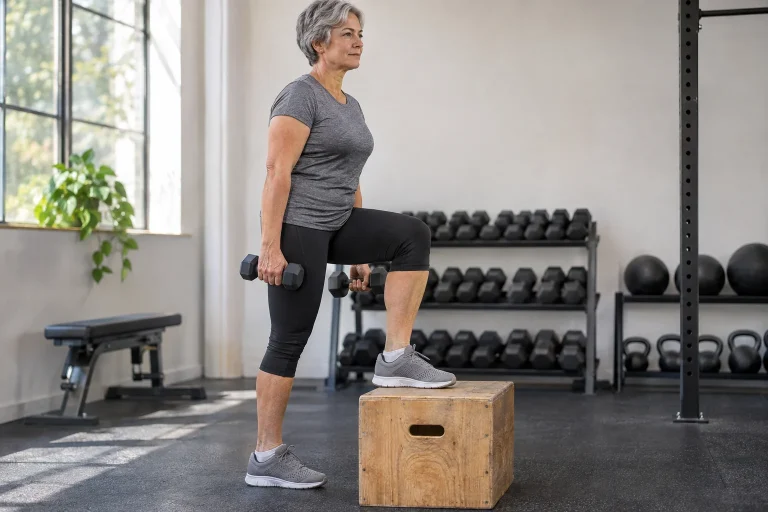
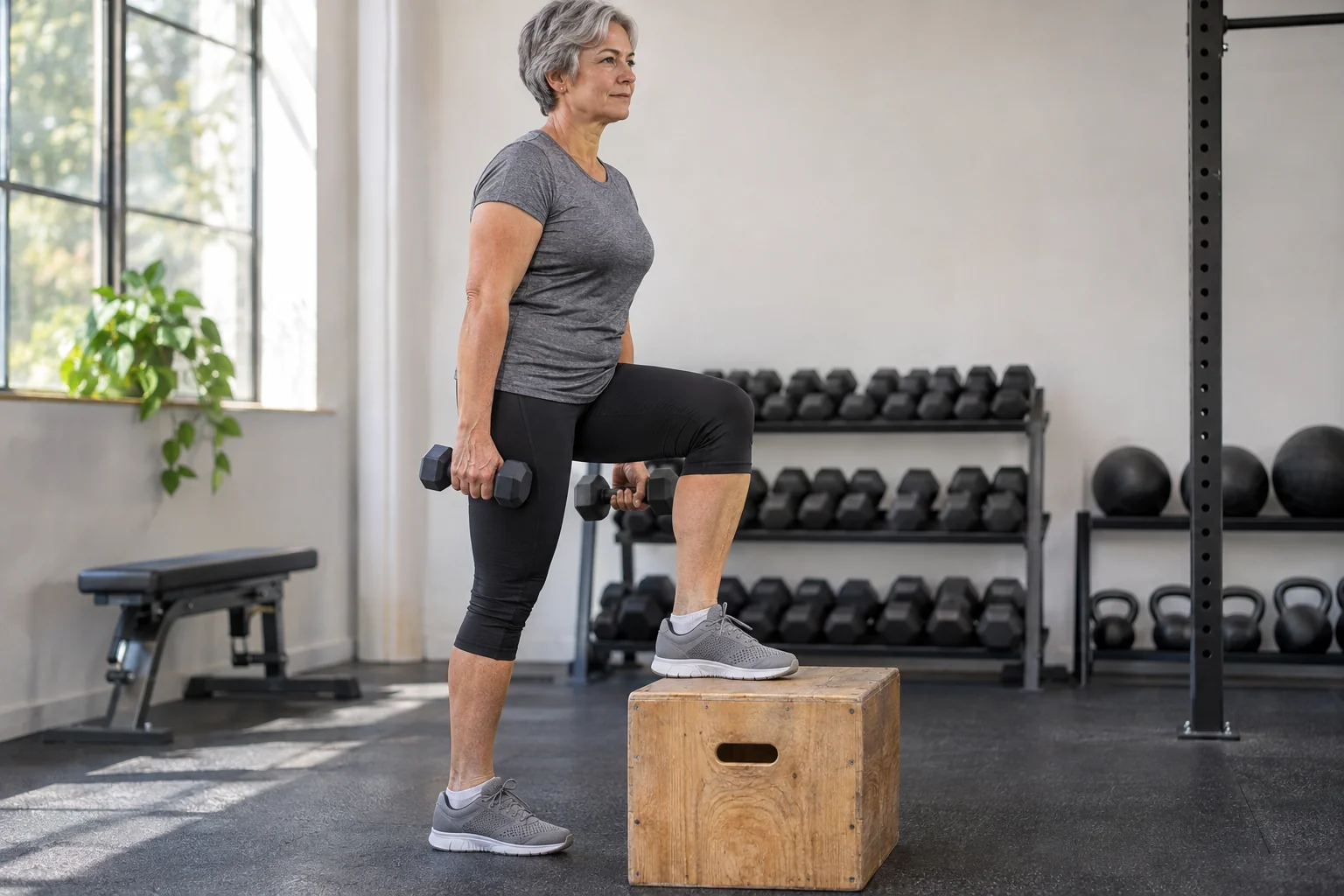
They may look like similar movement but require different arrangements. Daily stairs serve transport; stair training would deliberately add repeated exertion. Comfortably reaching an upper floor once does not automatically establish that many repetitions or running stairs suits you. Both amount and purpose change.
If you want to include such a task deliberately, individual history and the particular setting matter together. Not every staircase is an appropriate training place: it may be busy, narrow, poorly visible or a passage needed for travel. Avoid disrupting other users with repeated laps too. Choosing a location well is more than a sporting question.
This article provides no stair-training dose, movement technique or rehabilitation sequence. Understanding the general differences helps avoid treating flat running and every change of level as one category. If you receive a targeted programme, understand its conditions for that specific task. Naming an activity alone is insufficient instruction.
 Enlarge image
How to describe precisely where the task is difficult
“I cannot manage two floors” can be supplemented with useful details. Is going up or down harder? Are you carrying bags? How hurried are you, and on which section does the sensation appear? Your usual daily situation may already provide answers. You need not repeat the symptom-provoking journey simply to collect more precise data.
- Name the direction and familiar location.
- Separate pain, breathlessness, dizziness and unsteadiness.
- Explain how this differs from your previous usual functioning.
- Include the role of support, bags and surroundings.
A short description need not use clinical terminology. “On the way down, I stop at the turn because I cannot clearly see the next tread’s edge” is appropriate too. It conveys more than “I am ageing”. Naming circumstances also leaves room for changes to surface, lighting or travel arrangements.
Keep several usable routes available
At an imagined running meeting, the group uses the main entrance with stairs, but a flat approach exists beside the park. Sharing this beforehand simplifies organisation and avoids explanations at the entrance. The alternative is not separating a person out; it provides several ways to reach a shared place. The meeting’s purpose can remain intact.
At home, it may similarly help if stairs are not the only answer to every daily task. Taking objects upstairs beforehand, relocating frequently used items or appropriate help can reduce unnecessary trips. These are practical options, not instructions for everyone to avoid stairs entirely. The solution must match individual mobility and the home’s features.
Level jogging, stair ascent and descent can thus retain their own meanings. None must establish complete suitability or permanent unsuitability for another. Understanding the task helps choose a more usable route, describe changes precisely and plan actual access alongside the run.
Sources
Grimmer and colleagues: level walking and stairs of different inclines; Samuel and colleagues: muscular demands on stairs in older adults; HSE: environmental safety of stairs; NHS: strengthening and mobility; NHS: shortness of breath and seeking help. Checked: 21 November 2026.
How Futószív articles are prepared: our editorial guidelines.