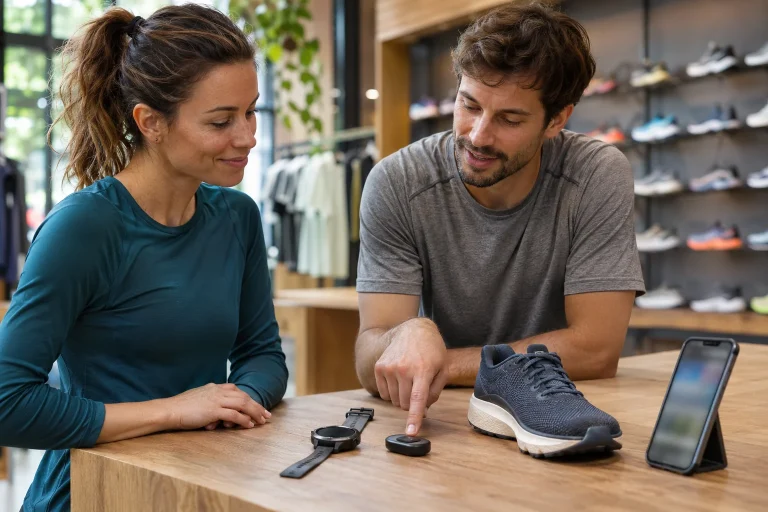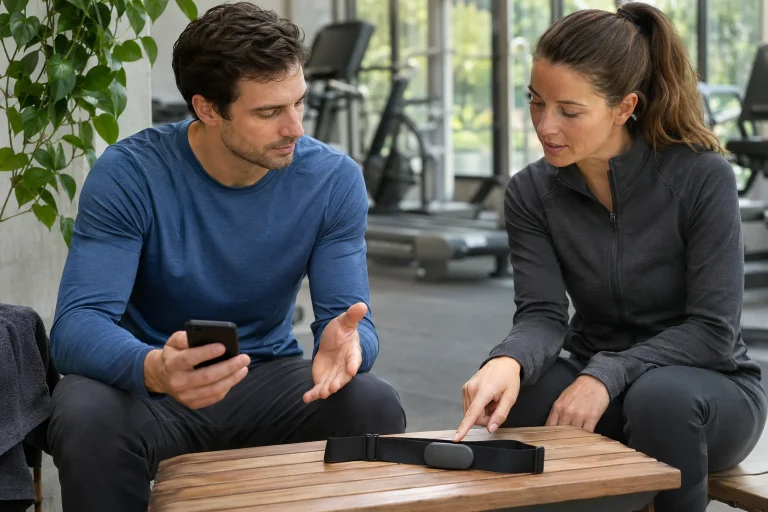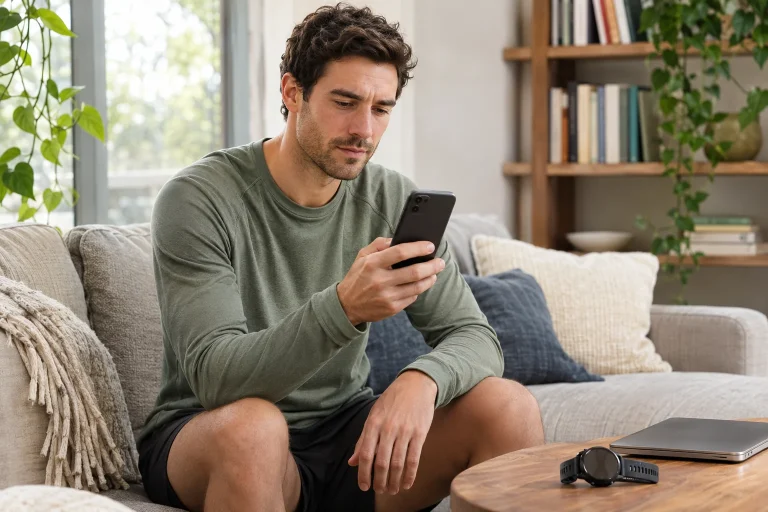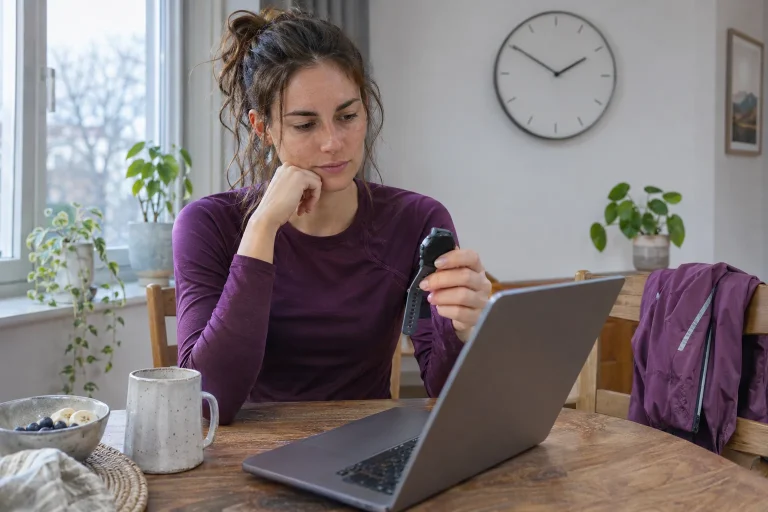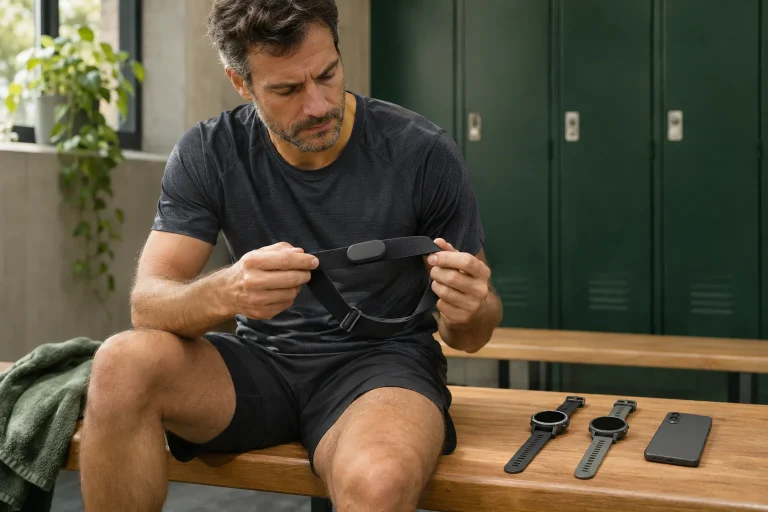
What occupies your chest strap’s second connection? A typical clash between two watches and a phone
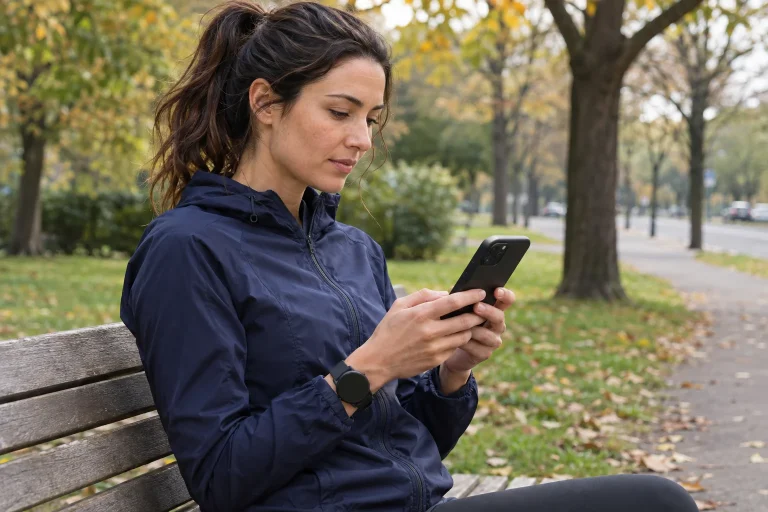
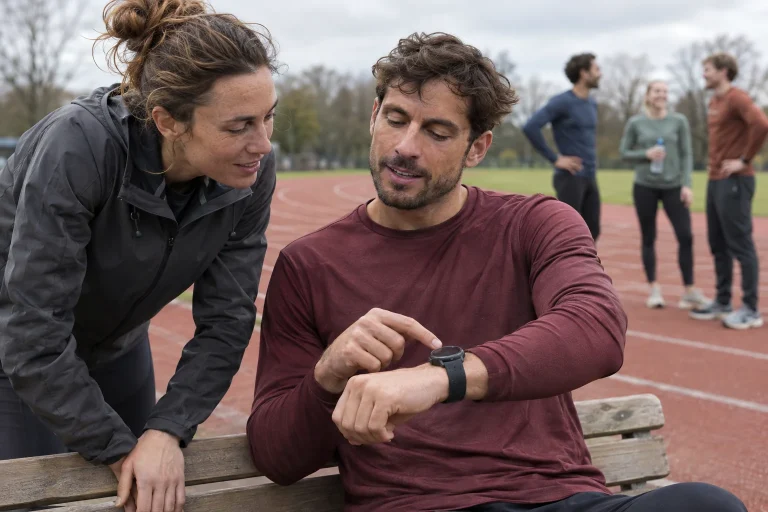
Two watches and a phone may exceed one strap's connection limit. An inventory and a traceable trial can reveal which receiver is using…
A practical look at clothing, shoes, watches and tools that support running.
167 articles · one running community
Two watches and a phone may exceed one strap's connection limit. An inventory and a traceable trial can reveal which receiver is using…
A Bluetooth label does not promise every kind of running data. Specific services, chest-strap and treadmill examples show what to check.
Revoking access and dealing with stored copies are separate processes. Alongside Strava's current deletion requirements, your own exports need their own review.
Pairing, public broadcasting and encryption are separate things. The updated H10 Secure mode illustrates which receiver may obtain heart-rate data under which settings.
A connection button may also request data access. Running-app examples distinguish reading, writing, private activity access and the permissions you actually approve.
The same run can fall on different days in UTC and local time. Specific autumn examples explain time zones, clock changes and the…
An empty cell, an invalid code and a genuine zero make different claims. Worked examples reveal mistakes in missing-data handling, units and CSV…
A hidden start point on a map does not guarantee an anonymous exported file. Visibility, exports and third-party app permissions each need a…
Full kilometres, a short final section and rounded paces may need different weights. Checkable worked examples explain the correct calculation from total time…
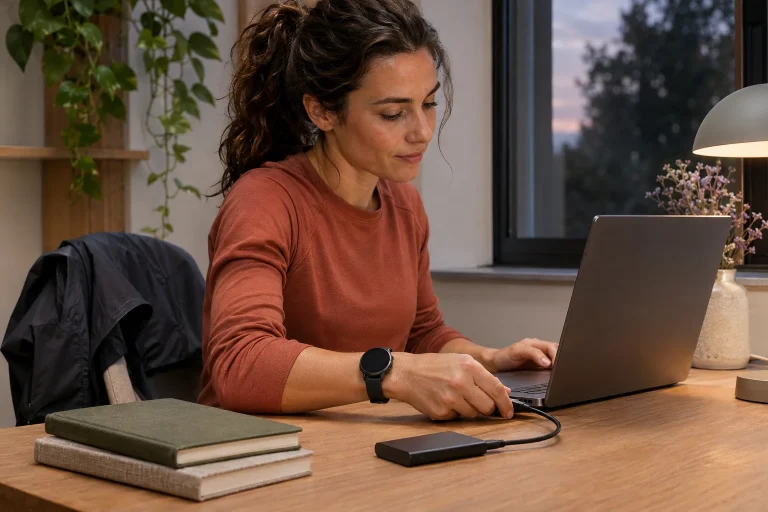
A screenshot is a quick memory; an original file preserves data for later investigation. A simple archive helps retain sources, versions and important…
A kilometre split, recorded lap and workout step may cover different sections. Worked time-and-distance examples show how to compare the same work interval…
One file can contain several sport sessions. An original run–bike–run example shows how to separate running distance, transitions and the complete event.