One place can produce two different running experiences
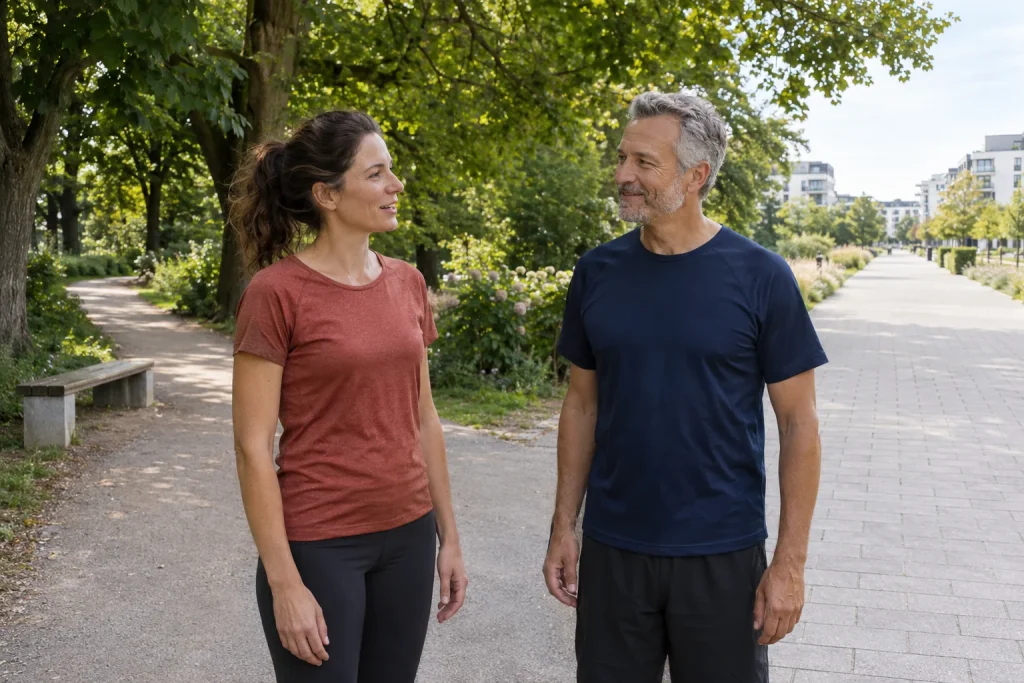
One runner wants to be among trees; another feels freer on an open urban promenade. The same park may seem a quiet refuge to one person and crowded or difficult to see through to another. These differences should not be dismissed as loving nature correctly or incorrectly. The experience of a running location emerges from the meeting of the person, the surroundings and that particular day.
Individual characteristics can therefore be important in research on the psychological effects of environments. Alongside a group’s average result, the places a person prefers and how much particular sounds bother them may matter. This does not mean every personal impression has its own scientific explanation. It reminds us that an average favourable result is not a compulsory experience for every participant.
This guide starts with two primary studies, then uses original editorial examples to explore personal considerations when choosing a running location. It does not offer a noise-sensitivity diagnosis or a test of how much you love nature. The aim is to help you name what you find pleasant in a route and why the same loop can be a very different experience for someone else.
What did the field experiment on environmental orientation show?
In Ojala and colleagues’ Helsinki study, participants viewed and walked in a park, an urban forest and a city-centre environment. Individual orientation towards natural or built environments modified the relationship with psychological restoration, as did noise sensitivity to a lesser extent. No corresponding environmental difference was found in blood pressure. The research thus also showed the importance of individual differences in that sample.
Environmental orientation was a research characteristic here. It was not a moral judgement about living correctly or a personal obligation to choose nature. Read the question as asking how a person’s relationship with an environment may relate to their experience of it. A research measure does not become one lifelong label determining every future place you run.
The finding also comes from walking and viewing situations. Faster running may involve different attention and physical demands. The study is therefore not a personal park-selection algorithm. It supports treating individual needs as more than inconvenient exceptions when discussing positive experiences of an environment.
Liking nature can mean several different needs
One person likes the scenery in a forest, another the distance from traffic, and another the safely followable rhythm of a familiar path. You can name these considerations from your own experience. They do not all have to hide under the single phrase ‘liking nature’. Identifying the detail that matters may make it easier to find an accessible place that meets your actual need.
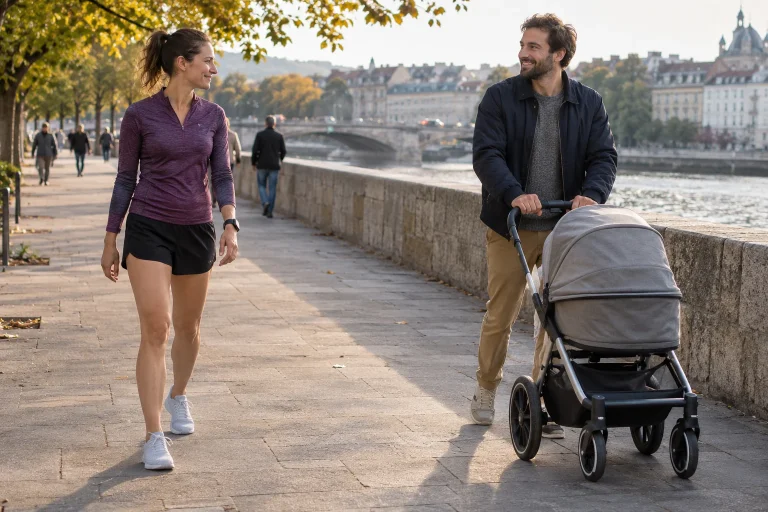
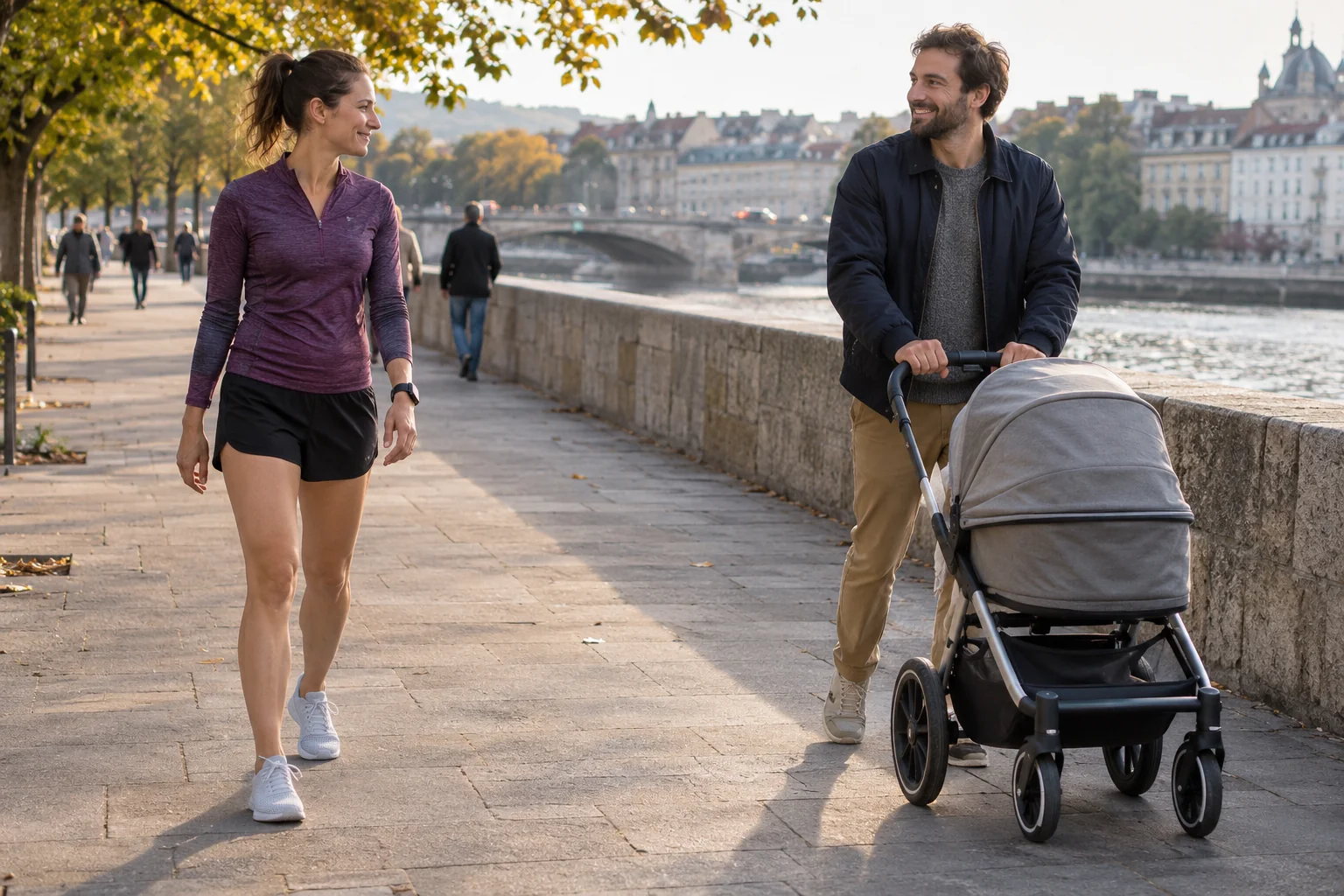
Consider an original example: if you want a break from numerous junctions, a simple park loop may be appealing. If an open view matters, a spacious riverside promenade might feel more manageable. If familiarity helps, a short nearby loop may be better than a distant, impressive forest that requires planning. These are possibilities, not personalised recommendations calculated from the study.
Nor should a preference for urban environments be called a faulty attitude. Familiar buildings, an easy-to-follow route and a straightforward journey home can also provide a pleasant setting for running. The question is how the place fits your task, access and condition. A general promise of a nature experience does not invalidate the personal value of urban movement.
 Enlarge image
A soundscape cannot be described by volume alone
Whether a sound bothers you can involve several details in everyday experience. Is it repetitive, unexpected, unpredictable, or arriving while you are trying to attend to something else? These are descriptive questions, not diagnostic categories. Disliking construction work beside a park on one occasion is not a substitute for the noise-sensitivity characteristic used in research.
During running, sounds also provide information about your surroundings. Another road user, an approaching bicycle or an event beside the route can help you understand the situation. Finding a more pleasant loop is therefore not necessarily about excluding sound completely. Safe attention and the rules of shared space matter alongside the soundscape you would prefer.
If a sound bothers you, naming it specifically may be enough. You do not need to explain your whole personality or health. Your companion may find it easier to respond to ‘I am finding it hard to concentrate on this short section today’ than to a general argument about which place ought to be restful. A usable route can become a shared practical decision.
What happened in the virtual birdsong experiment?
In Hedblom and colleagues’ 2019 study, 117 participants viewed a virtual park while hearing birdsong, traffic noise or a mixture after an experimental stress situation. There was no significant difference between sound conditions in stress recovery assessed using skin conductance. The study did not demonstrate that birdsong alone produced better recovery in this arrangement.
The absence of a demonstrated difference is an important part of the result. The study cannot be cited as though any natural sound reliably offsets every burden of an urban environment. Equally, it does not mean hearing birds cannot be pleasant for anyone. Personal preference and a specific physiological comparison are different claims. Research data must be interpreted within the task and measurement involved.
For a runner, a useful question is what you hear and how it fits your movement situation. A birdsong recording does not change traffic on the real route or the conditions for using a machine safely. If an audio track is pleasant, you can name it as a personal choice. You do not need to relabel it as a proven stress-management method.
A group average is not a compulsory personal response
Research analyses a location through many people’s experiences. An average difference may help answer a question, but it does not mean everyone changed in the same direction by the same amount. Your different experience therefore does not automatically disprove a study. Nor does the study’s average alone disprove that one particular session felt unpleasant to you.
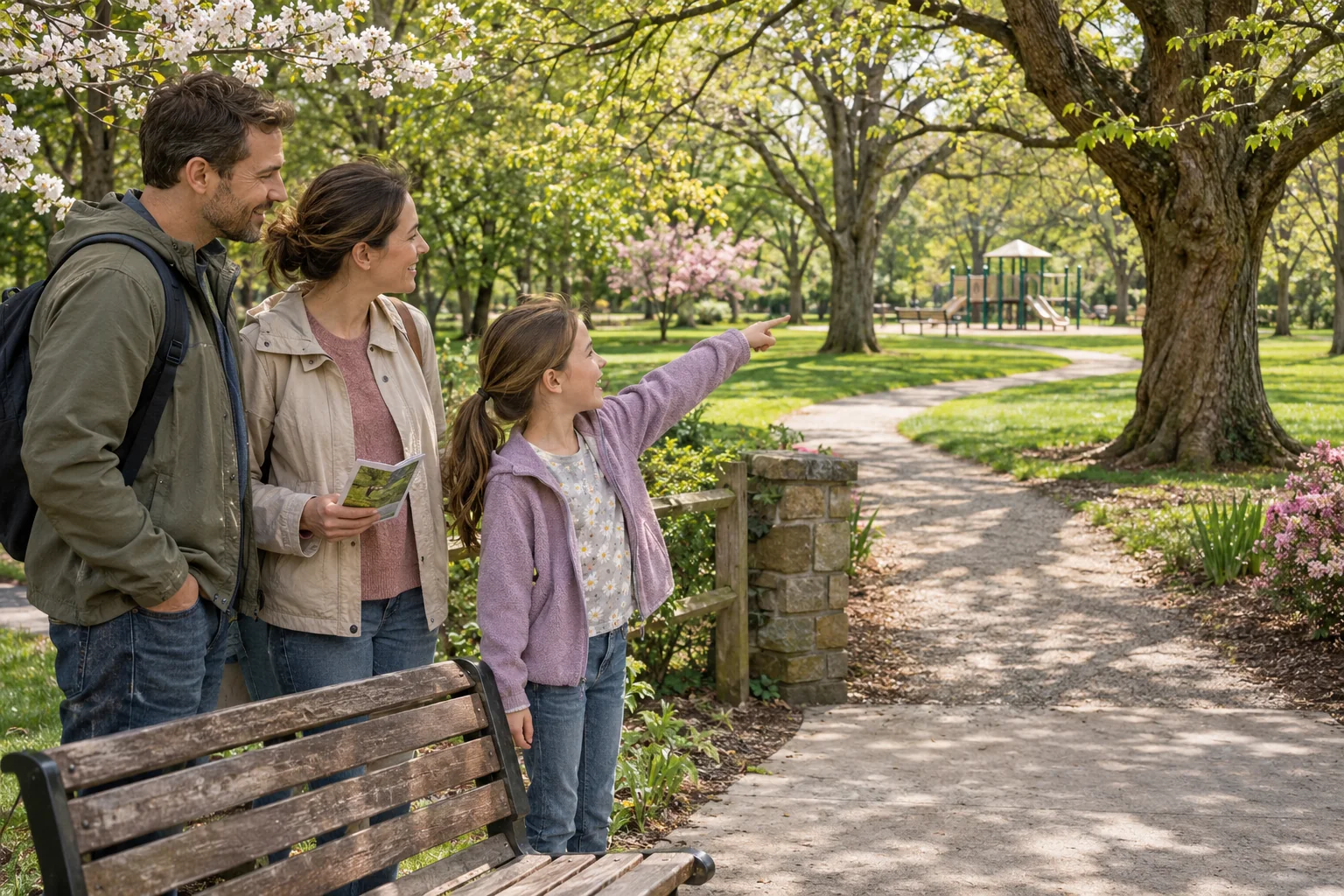
As an original illustration, imagine two runners beside the same bench. One liked the quieter stretch among the trees; the other would choose the more open promenade next time. There is no need to declare a winner. Their answers indicate two usability needs. The next route can weigh those needs rather than decide who experienced the park in a scientifically correct way.
Accounting for individual differences does not mean every environment is equally suitable for everyone. The route’s actual usability, access and current circumstances may impose real limits. Personal preference belongs alongside these considerations, not in place of checking the location. Even a route you expect to enjoy needs to be considered for that day’s task.
Your needs can change without your identity changing
After a busy day, you may want less stimulation, while a livelier route may feel good at the weekend. These are everyday possibilities, not rules established by the two studies. They remind us that your relationship with an environment is not necessarily one fixed decision. Today’s route choice does not have to become a permanent label for yourself.
Familiarity can mean different things at different times too. A habitual loop may offer a comfortable framework or feel monotonous on another day. A new route may be interesting but require more preparation. A general recommendation to seek nature cannot resolve your balance between change and consistency. Knowing a few places may be enough to give you a choice that fits your day.
If a place does not feel good now, you do not have to force a positive experience from it. You can name what was missing and choose another option. Running’s environmental experience is not a personal test to pass. Your impression helps when you treat it as information rather than proof that you are doing something wrong.
 Enlarge image
How can you agree between two different favourite routes?
Start the conversation with the specific need. More open space, fewer junctions, a shorter journey home or a quieter section? Discussing these instead of ranking city and nature in general can reveal more shared options. A short common section followed by separate routes, another time of day or alternating locations may work if everyone can manage them within the circumstances.
You do not need to fix another person’s perception to choose a route. ‘This part feels noisy to me today’ does not claim that your companion cannot hear properly. ‘I find it easier to navigate here’ does not declare a forest path worthless. Different perspectives can coexist, with workload, available time and local rules also included in the shared decision.
A compromise does not have to look identical every time. You can exercise separately on another occasion after a shared run, and declining a route does not necessarily reject the relationship. These are editorial examples of cooperation, not compulsory group methods derived from the studies. The aim is to keep choosing an environment from becoming an unnecessary value judgement.
Personal route notes without diagnostic labels
A simple note only needs to name the location, the day’s circumstances and a few specific impressions separately. Did spacious surroundings feel pleasant, did sudden noise bother you, was turning back easy, or was a familiar path welcome? These sentences describe usability experiences. They do not need to become a personality test or a medical judgement about yourself.
Note what you would keep and what you would change too. At a favourite location, you might only choose a different time. On another occasion, getting there takes too long and a less spectacular nearby loop is more practical. A decision based on your accessible options is no less valuable because it does not match an idealised image of nature.
Research offers useful support when it helps keep individual differences open. We can speak precisely about environments and experience without requiring everyone to like the same thing. Choosing the next running location can then keep your needs, your companion’s perspective and a route you can actually use together.
Sources and the limits of personal interpretation
The publications were checked on 21 November 2026. The Helsinki field experiment is distinguished from the laboratory situation examining sound conditions in a virtual park. The original examples are route-choice questions, not noise-sensitivity or psychological diagnoses. The photographs are original AI illustrations, not documentary images of research participants.
- Ojala and colleagues: Restorative effects of urban green environments and the role of urban-nature orientedness and noise sensitivity, 2019
- Hedblom and colleagues: Sounds of Nature in the City: No Evidence of Bird Song Improving Stress Recovery, 2019
How Futószív articles are prepared: our editorial guidelines.