When living with lupus, the question of outdoor running extends beyond sunscreen and a hat. Photosensitivity may matter, but fatigue, current symptoms, previous organ involvement and individual treatment also figure in the decision. The same diagnosis can mean different activity situations for two people or at two different times.
This article supports discussion with your treating doctor. It does not choose a personal running workload, identify a flare or give medication advice. Sun protection, the specific programme and health status need interpretation together; outdoor activity should connect with your own care guidance.
Lupus can affect several organ systems
NIAMS defines systemic lupus erythematosus as a chronic autoimmune disease that may affect skin and joints as well as other areas, including kidneys, heart, lungs or blood cells. Symptoms may differ between people and change over time. This is why activity questions should be discussed with the treating team familiar with your whole condition. NIAMS: Systemic Lupus Erythematosus.
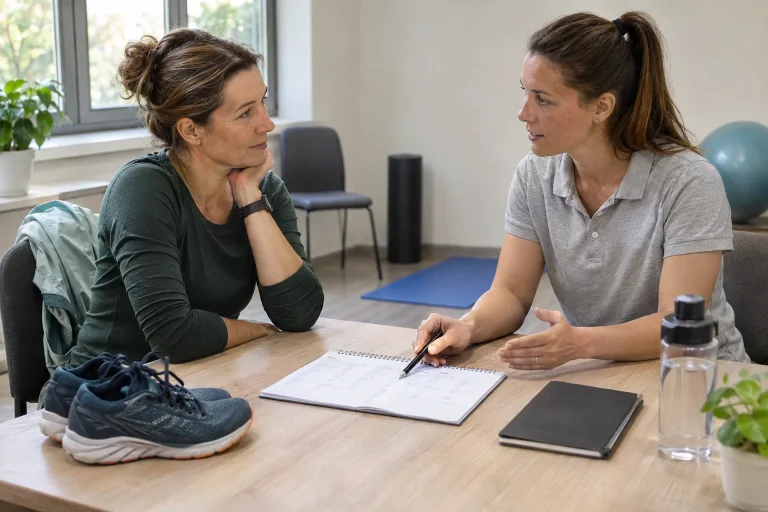
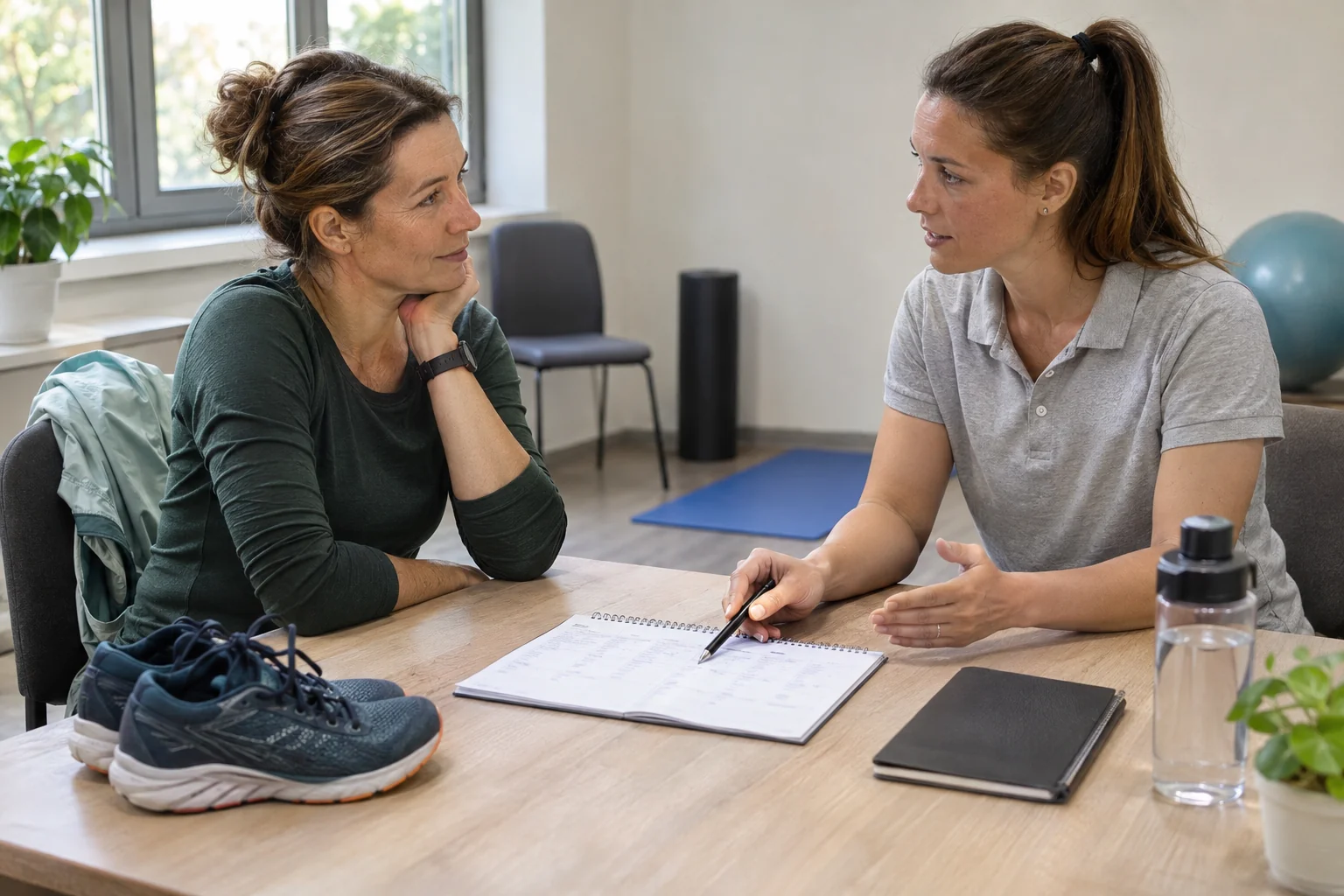
You need not compress your history into a single severity label. Describe what follow-up you receive, which previous involvement you know about and what changed recently. Your specific sporting needs connect with this history. Another person with lupus being active is not individual advice for your situation.
Visible skin symptoms do not reveal every possible health circumstance. Even if your skin is currently calmer, your whole condition and guidance received still matter. Equally, you need not automatically interpret a new skin symptom alone. Actual history and current experience together matter for individual assessment.
Describe your own photosensitivity history
The NHS and NIAMS discuss sunlight-related skin symptoms and sunlight’s possible role in triggering flares. If you previously noticed changes after time outdoors, describe when it happened, which symptoms appeared and what assessment you received. Personal history contributes more to the discussion than a general ‘I cannot tolerate the sun’. NHS: Lupus.
Do not independently turn a relationship in time into a definite cause. Several circumstances may have coexisted, and interpreting the history belongs to a professional. Your role is to describe the change observed. You need not deliberately go into the sun again or complete a longer workout to make the connection more provable.
If you do not yet have individual guidance on light protection and outdoor plans, ask specifically. Which previous symptoms should you report, what protection is being discussed and how does it connect with your present condition? A product recommendation on social media does not know your history. Sun-protection equipment is neither a clinical test nor a guarantee.
Sun protection involves more than one product
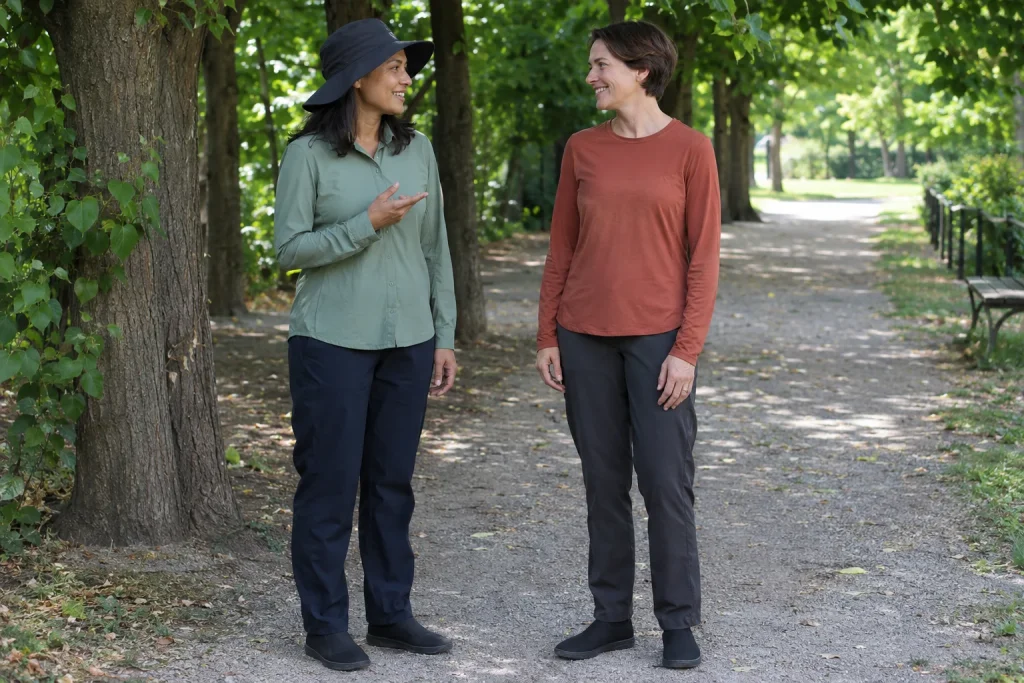
NIAMS includes protective clothing, such as a hat and long-sleeved top, and sunscreen among protection against the sun. The NHS also discusses high-factor sunscreen and avoiding direct sunlight. Clarify their use and the programme’s circumstances together within your individual plan. NIAMS: living with lupus and personal care.
For a route, consider more than the shaded section visible on a map. Travel there, waiting, the meeting point and time after the programme also form part of the outdoor occasion. Describe these as organisational questions to your treating team. This article does not provide a suitable time of day or safe minute limit for everyone with lupus.
The practicality of clothing also forms part of the actual programme. Can you access what you need, use it comfortably in the environment, and what happens if the plan must change? These do not replace health assessment. They help make the agreed framework achievable outside the consulting room too.
 Enlarge image
Do not call a change in fatigue simply training tiredness
The NHS describes significant fatigue among lupus’s main symptoms. As a runner, specifically report energy levels differing from usual, harder daily tasks or unusual tolerance of activity. You need not decide for yourself whether training, disease or another circumstance explains it. The change is information requiring assessment.
You can connect fatigue’s description with a familiar task. Has dressing, getting to work or a household chore become harder? Is the rest of the day different after an activity? Describe your own experience, rather than starting from a watch’s calculated readiness value. Sports data do not describe the whole disease situation.
Do not automatically regard a better day as an opportunity to make up missed training either. Ask which considerations guide the next step in your individual plan. The aim is activity suited to the current condition, rather than repaying every line of a former calendar. Changes to the programme can be discussed with the team.
Report symptom changes through the route agreed beforehand
NIAMS describes increasing fatigue, joint symptoms, rash and other symptoms among possible warning signs of a flare. This is not a home diagnostic checklist requiring every new symptom to fit one label. Within your care plan, know what to report, when and whom you can contact before review.
If a symptom is unusual, severe or rapidly worsening, do not automatically treat it as a familiar flare. Seek prompt medical guidance. In a serious emergency in Hungary, call 112. Assessment of new breathing, chest or neurological symptoms must not be delayed for a running programme or an assumed explanation.
When observing, put the current change first. ‘My activity tolerance has been different in recent days, and this new symptom appeared’ is a more precise start than saying you are tired as usual. A previous diagnosis is important history, but the present story needs telling too. You need not know the precise cause before seeking help.
Movement can be chosen as part of the whole treatment plan
NIAMS recommends medical discussion before starting an exercise programme. For chronic conditions, the CDC likewise emphasises individual selection of appropriate type and amount. Name your specific wish to run within this framework. Public-health advice does not override guidance about your own organ involvement or current condition. CDC: activity with a chronic condition.
Describe the programme you plan: a short nearby occasion, a community gathering or a longer route. Location, available help and preparation also matter for carrying it out. The aim is not to select a run labelled safe from this article, but to enable the clinician to answer about your real sporting situation.
If another activity is currently discussed, give it an understandable purpose and follow-up too. Do not view the choice solely as replacing running kilometres. Community, regularity or an enjoyable activity may matter, but the actual movement must fit your individual condition. Ask about options within your own guidance.
A programme that can be shortened and offers more protection can be discussed specifically
The option to stop is an organisational detail worth clarifying beforehand. If changes are needed, how will you return, whom will you tell and is help available? A programme described as shorter or more protected is not automatically appropriate either, but individual advice is easier to request when its details are known.
Even alongside a route planned as shaded, there may be periods spent in another environment. Review the whole meeting, travel and finish. Do not interpret individual sun-protection advice through the image of a single park section. Equipment and programme should be discussable together.
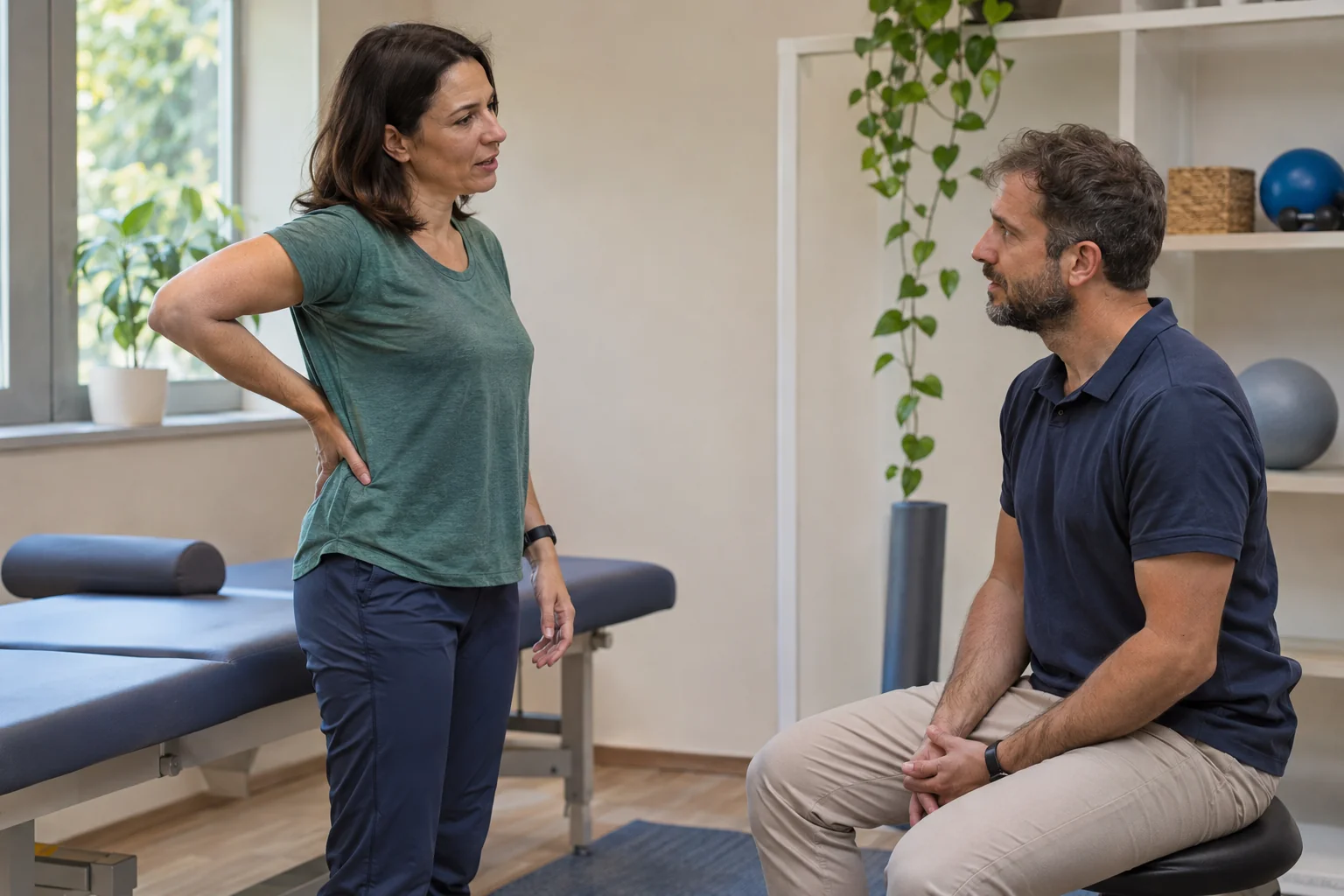
A companion can help when they understand the framework already clarified. You need not share every health detail, but can explain the practical help or flexible organisation you need. Support does not mean assessing symptoms at home or continuing at any cost. The goal is a shared occasion that fits the individual care plan.
 Enlarge image
Do not independently adjust treatment for sport
NIAMS emphasises regular review and not stopping medication or treatment without medical discussion. A period with more energy or a planned event is not a reason for independent changes. This article does not recommend a medicine, supplement or sunlight-related dose.
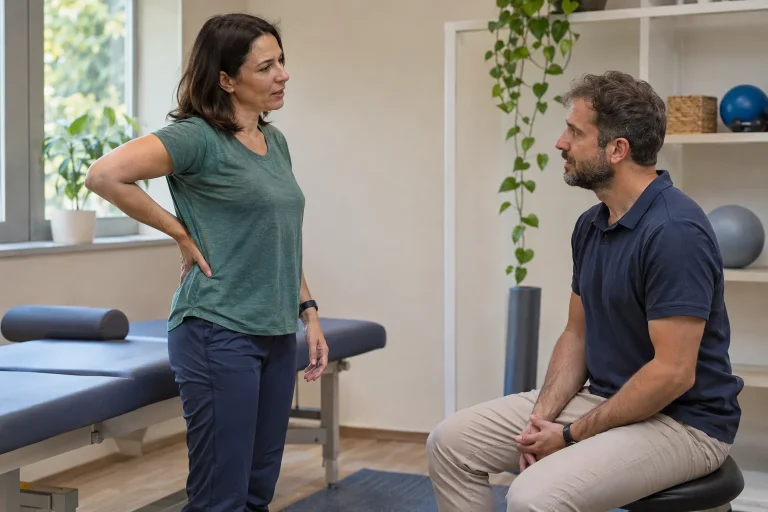
If a treatment raises a sport-related question, formulate it specifically: what you experienced, which programme you plan and what is unclear in the guidance. Your treating team can answer with knowledge of the whole condition and history. A friend’s similar diagnosis or experience with another medicine is not personal advice.
Sun protection and movement do not replace monitoring the disease. Review may aim to assess the whole health situation, rather than only discuss current training. If several specialties contribute to care, ask who follows which symptoms and how important information is passed on.
Five connections worth bringing to consultation
The following table organises history already known. It is neither a self-test nor a flare score. You need not deliberately expose yourself to sunlight or greater activity to complete it, and urgent symptoms must not wait until the notes are finished.
| Topic | Detail to discuss |
|---|---|
| Overall condition | Current symptoms, known organ involvement and changes from usual. |
| Light-exposure history | What did you experience after previous time outdoors, and what assessment did you receive? |
| Programme | The whole outdoor occasion, travel there, waiting and the option to stop. |
| Individual guidance | Sun protection, specific activity and the connection with existing treatment. |
| Follow-up | Which changes should be reported before review, when and to whom? |
Summarise the answers back in your own words, particularly if both general activity and specific running were discussed. Points may remain to clarify between those questions. If something is unachievable in your day, say so; an individual plan must connect with your actual circumstances.
For outdoor running with lupus, photosensitivity and overall condition matter together. Sun-protective clothing and a shaded route may be important practical details, but the next activity step must connect with your individually assessed condition and care guidance. Ask your treating team for this understandable, personal framework.
Sources
- NHS: Lupus
- CDC: Chronic Conditions & Disabilities Activity
- NIAMS: Systemic Lupus Erythematosus
- NIAMS: Diagnosis, Treatment, and Steps to Take
How Futószív articles are prepared: our editorial guidelines.