During a cool-weather run, some fingers become noticeably paler and sensation changes: cold, numb or tingling. Not every cold hand means Raynaud’s phenomenon, but recurring colour change is worth discussing with a doctor. Appearance alone cannot establish the precise cause, and trying gloves does not replace individual assessment.
For runners, the question is both medical and practical. What is worth observing, when should you seek help and how should a cold-weather programme connect with your care guidance? This article organises those questions. It does not provide a cold-water test, select medication or promise symptom-free winter running through one item of equipment.
What happens in Raynaud’s phenomenon?
According to NIAMS, an institute of the US National Institutes of Health, Raynaud’s phenomenon involves narrowing blood vessels in the extremities and reduced blood flow to the area. Episodes most often affect fingers and toes; cold or emotional stress may trigger them. This concerns circulation, rather than simply naming poorer endurance of the hands. NIAMS: Raynaud’s Phenomenon.
The NHS describes colour changes, pain, numbness and tingling. Skin may become paler, whitish, bluish or later redder; changes may appear differently on darker skin. You need not look for an exact match with a textbook photograph. Describe your own observation, including its uncertainty. NHS: Raynaud’s.
Noticing a symptom is not making a diagnosis. A photograph of one pale finger does not show the whole circulation situation, duration or history. With recurring symptoms, describing location, colour, sensation and circumstances together can support individual assessment.
How do primary and secondary forms differ?
NIAMS distinguishes two forms. Primary Raynaud’s phenomenon has no known underlying cause; the secondary form may relate to another health problem or certain environmental exposures. The secondary form can be more severe. These categories cannot be established from how strong the colour looks during running or whether gloves are worn.
Distinguishing them belongs to care. Alongside history and examination, NIAMS diagnostic guidance describes further assessment where needed, such as examining nailfold small vessels or laboratory tests. You need not choose these yourself beforehand. The question is what your history requires. NIAMS: diagnosis and next steps.
Also report other known conditions, regular medication or work involving vibrating tools. These may be relevant history, but do not themselves explain every episode. Do not independently stop or modify medication for winter running. Discuss the question with your treating doctor.
Describe colour and sensation matter-of-factly
On which hand, which finger and over how large an area did you notice change? Was it similar on both sides or only one? Alongside colour, what did you feel: cold, numbness, pain, tingling or something else? Your own words suffice. You need not identify an exact colour code or nerve-distribution area.
A safely taken photograph may supplement information for the clinician, but seeking help should not be delayed to take one. Do not stay in the cold for better lighting or more striking symptoms. Describe the photograph’s circumstances too: when it was taken and what happened before and after. An image does not replace the history.
Estimating duration may also help, but is not a waiting target. Do not time how long symptoms must persist before seeking help. If uncertain about time, describe the sequence you know: you noticed it outside, went indoors and it changed later. The urgency of new, severe or persistent symptoms needs clarification according to the current condition.
 Enlarge image
Cold and stress are circumstances, rather than personal faults
An episode may relate to a cold environment or temperature change. In a running day, this need not be training itself: waiting before starting, travel, a windy stop or remaining outside afterwards all form part of the history. Describe when you noticed change and which circumstances preceded it.
If it also occurs with stress, report that too. This does not mean symptoms are imaginary or resolvable through willpower alone. NIAMS discusses stress among possible triggers. In your history, the relationship in time matters, rather than self-blame. You need not find a certain emotional explanation for every episode.
Several circumstances may coexist. You wait at a cool start area, feel nervous and your gloves have become wet. A single cause cannot be confidently selected from this. Describe the whole situation and ask within individual guidance what is worth changing. Another runner’s similar experience does not replace this.
Keeping warm also concerns the whole body
NIAMS emphasises that keeping the rest of the body warm alongside hands and feet may matter too. Winter preparation therefore cannot be reduced to choosing one pair of gloves. Layers, wind and moisture protection, and time before and after the programme form part of the whole situation. Ask about current movement options based on your own condition.
Equipment usability matters too. Can you put gloves and a jacket on in your circumstances, access your phone, and what happens if a layer becomes wet? These are practical planning questions, rather than diagnostic trials. You need not test a new item to its limits on a cold run.
You can ask individually about warming up again too. NIAMS mentions a warm, rather than hot, environment or water among options for managing an episode. Do not experiment with hot water or direct intense heat, particularly with altered sensation. This article does not choose personal care; persistent, severe or new symptoms require medical assessment.
Have a specific question about winter running plans
‘Can I run in winter?’ may be too broad. Describe the environment, weather and programme you envisage, alongside what happened previously in similar situations. A nearby occasion that is easy to stop differs organisationally from a distant, windy route. This article does not choose a suitable workout between them for you.
Include travel and waiting after the programme in discussion too. If symptoms occur mainly on stopping or waiting for a bus, describe more than the minutes spent training. The whole time outdoors and available assistance are part of the actual programme. Individual guidance needs to remain usable under these conditions too.
The CDC’s activity guidance for people with chronic conditions emphasises discussing individually appropriate type and amount with a professional. This is a general framework, rather than permission for winter running with Raynaud’s phenomenon. Options need clarifying based on your own symptoms and history. CDC: individual activity advice.
When is separate investigation of symptoms worthwhile?
The NHS recommends medical discussion if symptoms are very severe, worsening, affect daily life, occur only on one side or accompany joint symptoms, rash and muscle weakness. It also highlights first symptoms after age thirty. These circumstances warrant assessment of an individual history, rather than a certain online diagnosis.
NIAMS also describes tissue damage and sores in severe cases. Seek prompt medical help for a new sore, substantial or persistent painful colour change, or unusual worsening. Do not wait for the next equipment trial. An apparently severe or urgent condition may require immediate care; in Hungary, emergency help is available by calling 112.
Specifically report new asymmetry or functional change relative to older, familiar symptoms too. You need not decide at home whether the primary or secondary form is present, nor wait for every possible accompanying symptom. The clinician can determine necessary assessment from the whole condition.
 Enlarge image
Warm gloves are not a home diagnostic tool
If colour and sensation change in a warmer environment, report this as a useful observation. Do not use it as proof that no other problem needs assessment. Circumstances of improvement and diagnosis are separate questions. Equally, inadequate gloves alone do not answer how severe the condition is.
Do not provoke symptoms with cold water or deliberate waiting outside to recognise them more confidently. NIAMS notes that no single diagnostic test settles every case; assessment begins with history and examination. Your role is to describe experiences that happened, rather than organise a provocation experiment.
A photograph of white fingers in a running group is not a suitability template either. Change may look different on your skin, and circumstances and accompanying symptoms may differ too. Ask for interpretation of your own situation. Resemblance to a photograph or another person’s successful product should not decide the health question.
A brief consultation summary
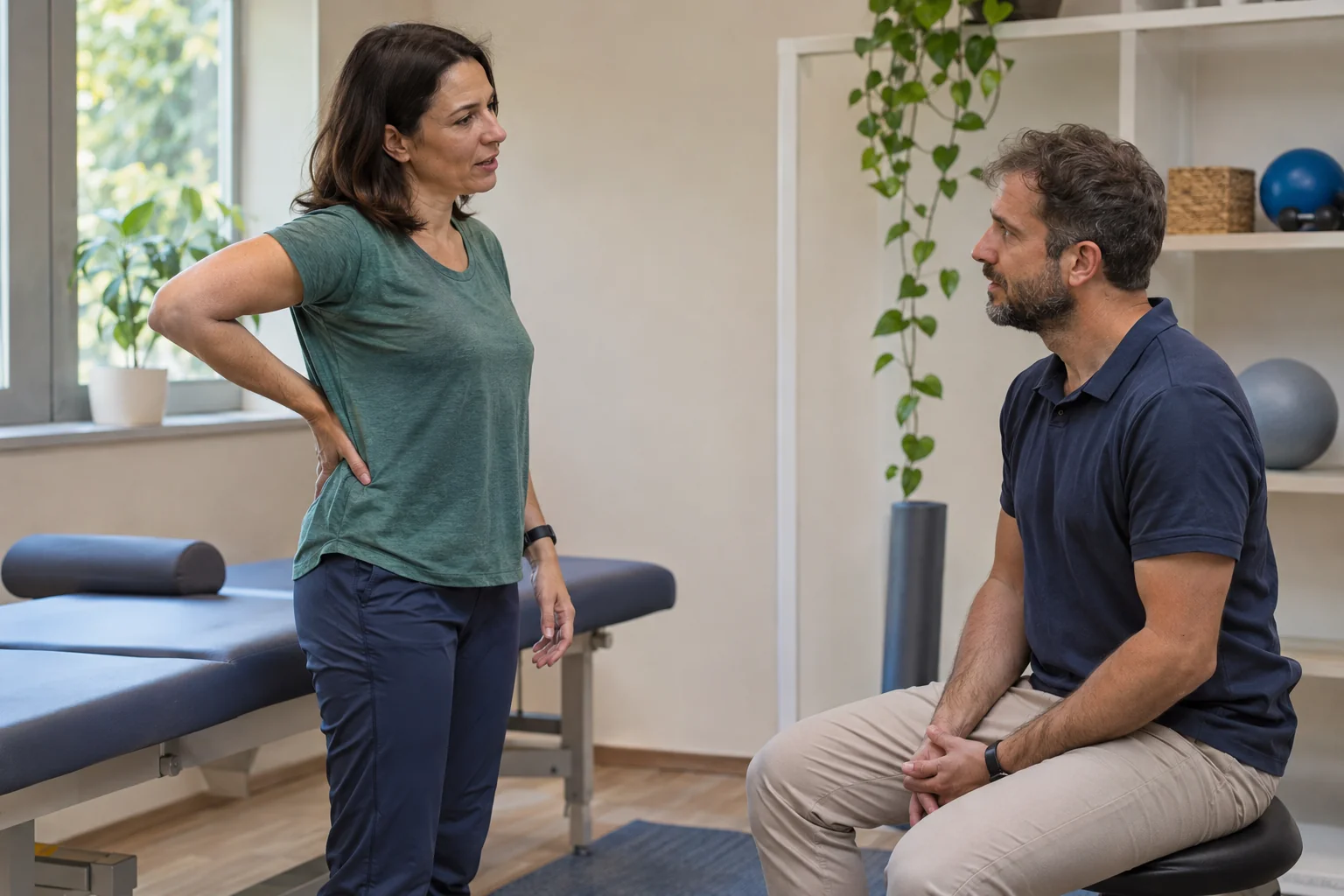
The table below organises observations already experienced. It is neither a test nor a severity score. Help need not wait until it is completed, and missing data need not be produced through another cold trial.
| Topic | What should you describe? |
|---|---|
| Location and side | Which fingers, which hand, and a one-sided or two-sided change? |
| Colour and sensation | What did you see and feel, without seeking a colour scale? |
| Timeline | When did it begin, how did it change, and what happened before and after? |
| Circumstances | Cold, temperature changes, stress and the situation across the whole programme. |
| History | Known conditions, medication, working circumstances and previous assessment. |
At review, ask whether further examination is needed, what individual winter-activity advice covers and which changes should be reported sooner. Do not independently alter medication or other treatment for a sporting plan. The follow-up route should be understandable outside the consulting room too.
Fingers turning white or changing colour otherwise also belong to the whole health and environmental history in runners. Keeping warm may be an important practical topic, while diagnosis and individual movement choices may require medical assessment. Precisely describing your observations connects the next step with your actual situation.
Sources
- NHS: Raynaud’s
- CDC: Chronic Conditions & Disabilities Activity
- NIAMS: Raynaud’s Phenomenon
- NIAMS: Diagnosis, Treatment, and Steps to Take
How Futószív articles are prepared: our editorial guidelines.