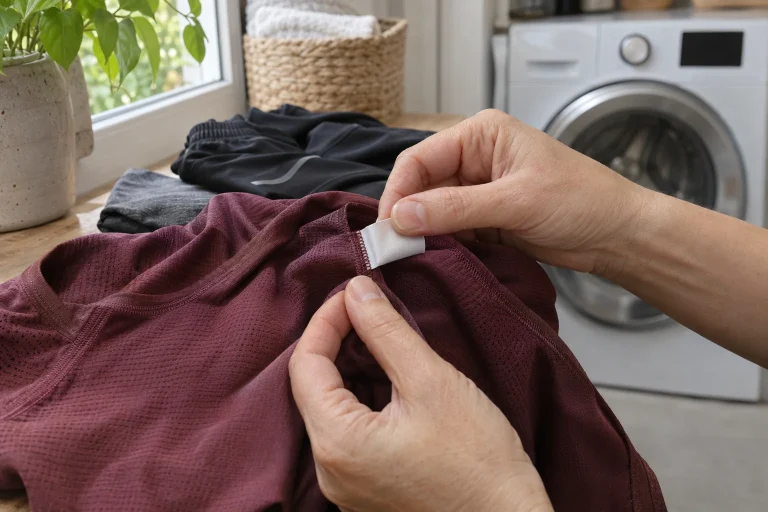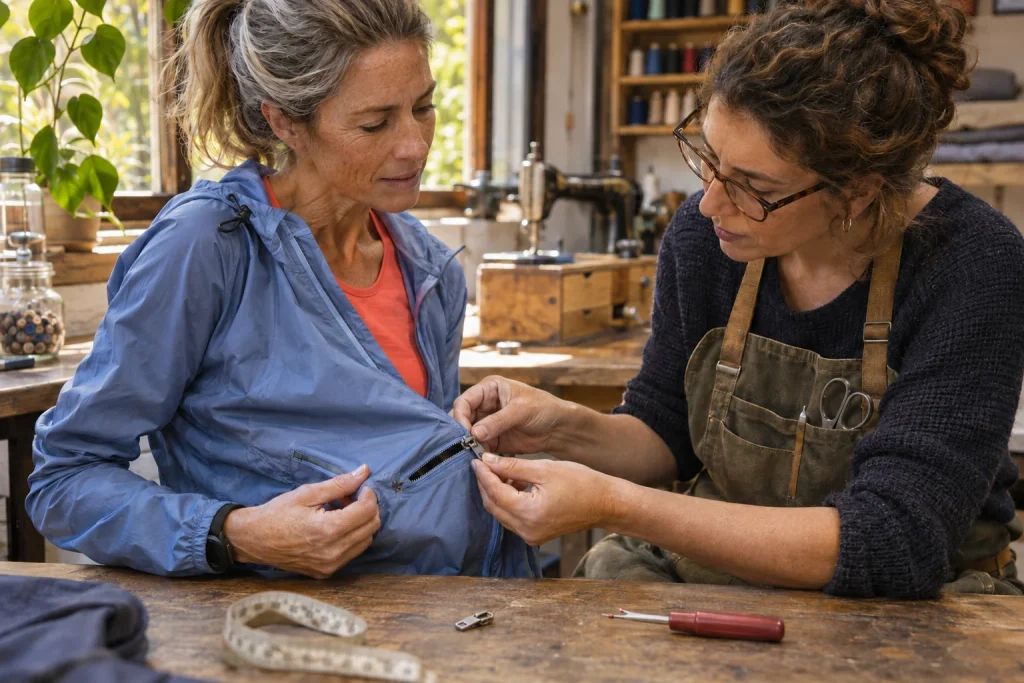
When running equipment fails, it is easy to feel trapped between two quick answers: repair at all costs or immediately buy new. Real options are usually more detailed. A small part replacement, specialist repair, continued use for a more limited task or a fault making further forced use inappropriate may all be possible. A good decision begins by precisely naming the result you expect. Here we build a comparison sheet around function, cost, time and uncertainty, without a universal repair percentage or product ranking.
First name the lost function
Do not begin with the item’s original price. Describe what fails and why it is needed for the task. A loose running-top hem, a vest’s main fastening fault and a light’s damaged power source are different situations. Evaluate repair and continued use according to manufacturer guidance for the specific product. A home decision sheet is not technical certification. Particularly for power, electronics or essential attachment faults, do not infer safe usability from an attractive cost estimate.
Define what condition would count as a suitable result. “The pocket should close again” is clearer than “make it like before”. If clothing has a specialist waterproof role, clarify repaired material and necessary sealing too. For compulsory race equipment, check current event requirements separately. Do not quietly lower the task’s demands because repair is cheap. First state which outcome actually fits your use.
Separate care, repair and component replacement
Cleaning a dirty zip, repairing a damaged one and replacing the whole closure are different interventions. Replacing a light’s strap differs from an electronic-unit fault too. Precise distinctions prevent applying a cheap online solution to the wrong problem. Document the observed issue first, then clarify possible procedures with the manufacturer or appropriate repairer. Include only options meaningfully examined for that specific product.
The Patagonia care and repair page offers guides and repair possibilities for its own product range. This illustrates the importance of identifying condition and appropriate procedure first. It does not mean identical services exist for every brand, country or fault. Check your product’s options, conditions and regional availability separately. A story of successful repair to another model can suggest an idea, but is neither a quote nor an assessment of your equipment.
A repair proposal should explain what changes
Ask which component or area is repaired, what additional work is required and what remains unchanged. Replacing a zip does not renew every function of an entire garment. Give the exact model, visible fault, known history and previous interventions. Photographs can support an initial discussion, but preliminary opinion and hands-on inspection may differ. Clarify how assessment relates to the final quote before treating it as a certain cost.
The GORE-TEX UK repair page lists several possible jobs while describing individual condition assessment. That matters here: a repairable product category does not mean automatic acceptance of every damaged item. Ask about limitations after repair and how to check the result. Regional service may differ from what is available in Hungary, so verify availability, shipping and current conditions with the actual provider.
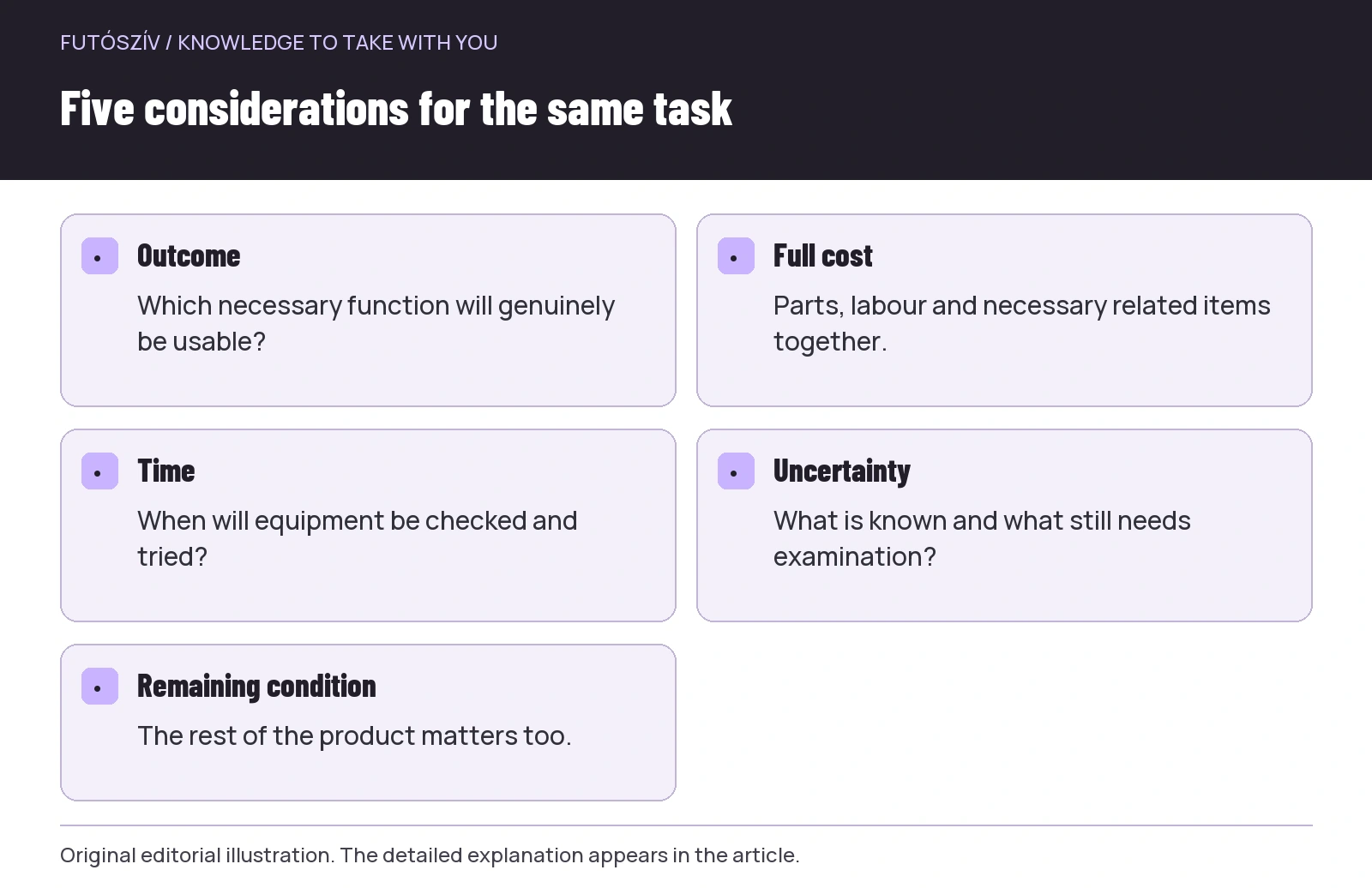 Enlarge diagram
Text version of the illustration
- Outcome
- Which necessary function will genuinely be usable?
- Full cost
- Parts, labour and necessary related items together.
- Time
- When will equipment be checked and tried?
- Uncertainty
- What is known and what still needs examination?
- Remaining condition
- The rest of the product matters too.
Parts availability must be real information
A spare-part photograph in search results is not certain availability. Clarify part number, compatibility and current supply for the exact model and year. Any adapter or additional hardware belongs to the assembly too. The Black Diamond European product FAQs , for example, discuss model-specific replacement parts and identification help for several items. This is not a general parts promise; it illustrates the need to connect an exact product with the correct component.
“We will find one somewhere” should not share a column with an identified, orderable part. Uncertainty is decision information too. If the item cannot fulfil the task without that part, failed procurement has a significant consequence. Ask whether another component is officially substitutable and who can fit it correctly. A physically similar piece may not perform identically under the same load or surroundings. Check compatibility before calculating repair cost.
Total cost exceeds the labour charge
List assessment, parts, labour, shipping and any additional necessary procedure. Avoid counting an item twice if already included in a quote. For replacement, consider the full process of making it usable: genuinely necessary accessories, setup or other expenditure may be involved. Do not automatically replace existing compatible items merely because you are viewing a new product. Both sides should include the cost of reaching a final state usable for the same task.
Previous purchase price is background; the decision concerns future options. Repairing something once expensive can be sensible or poor depending on current condition. Repairing a cheap top can likewise be worthwhile with an appropriate result and acceptable expenditure. No arbitrary rule that repair must cost below a particular fraction of new price is needed. It could conceal differences in function, fit, parts and expected outcome. Begin with concrete information, then weigh your priorities.
| Consideration | For repair | For replacement |
|---|---|---|
| Suitable outcome | Which function returns, and with what limits? | Does the selected item genuinely suit the task? |
| Cost | Assessment, part, work and shipping together. | Purchase and necessary preparation together. |
| Time | Realistic parts and workshop lead time. | Procurement, trial and setup time. |
| Uncertainty | What can only be established after inspection? | What about fit or condition remains unknown? |
| Further use | What is the rest of the product’s condition? | Are care and repairability of the new choice known? |
The rest of the product’s condition matters too
Fixing one part does not automatically change the others. Examine fabric in clothing, other closures and pockets in a vest, and manufacturer-assessable factors in electronics. Do not invent an exact remaining lifespan from appearance. Ask which known limits remain and whether the item still suits the task. If other parts are uncertain too, discuss assessing the whole product with the repairer.
Apply the same scrutiny to replacement. Another used product has its own history and condition; a new one still requires checking size and specific function. Do not compare every known repair limitation with an imagined perfect replacement. Give checked and open information separate rows on both sides. This reveals which answer could genuinely change the choice and which point is only an impression.
Give timing and the approaching task their own row
Request realistic assessment, parts-procurement and work times. Before an important event, allow time for appropriate inspection and trial as well as the announced completion. A repair returning the day before a race needs different planning from one completed a month earlier. Yet a replacement bought urgently is not automatically tried and suitable either. Judge both with the same question: when will you genuinely have checked equipment ready for use?
An appropriately agreed loan or modified task may be a temporary option where sensible and compatible with requirements. Do not treat this as a hidden free option; it can require its own trial and handover. Delayed repair does not make forced use of faulty equipment appropriate. Consider real possibilities, including having no known suitable solution for the intended occasion. Recognising time pressure can prevent rushed purchases and unfounded repair attempts.
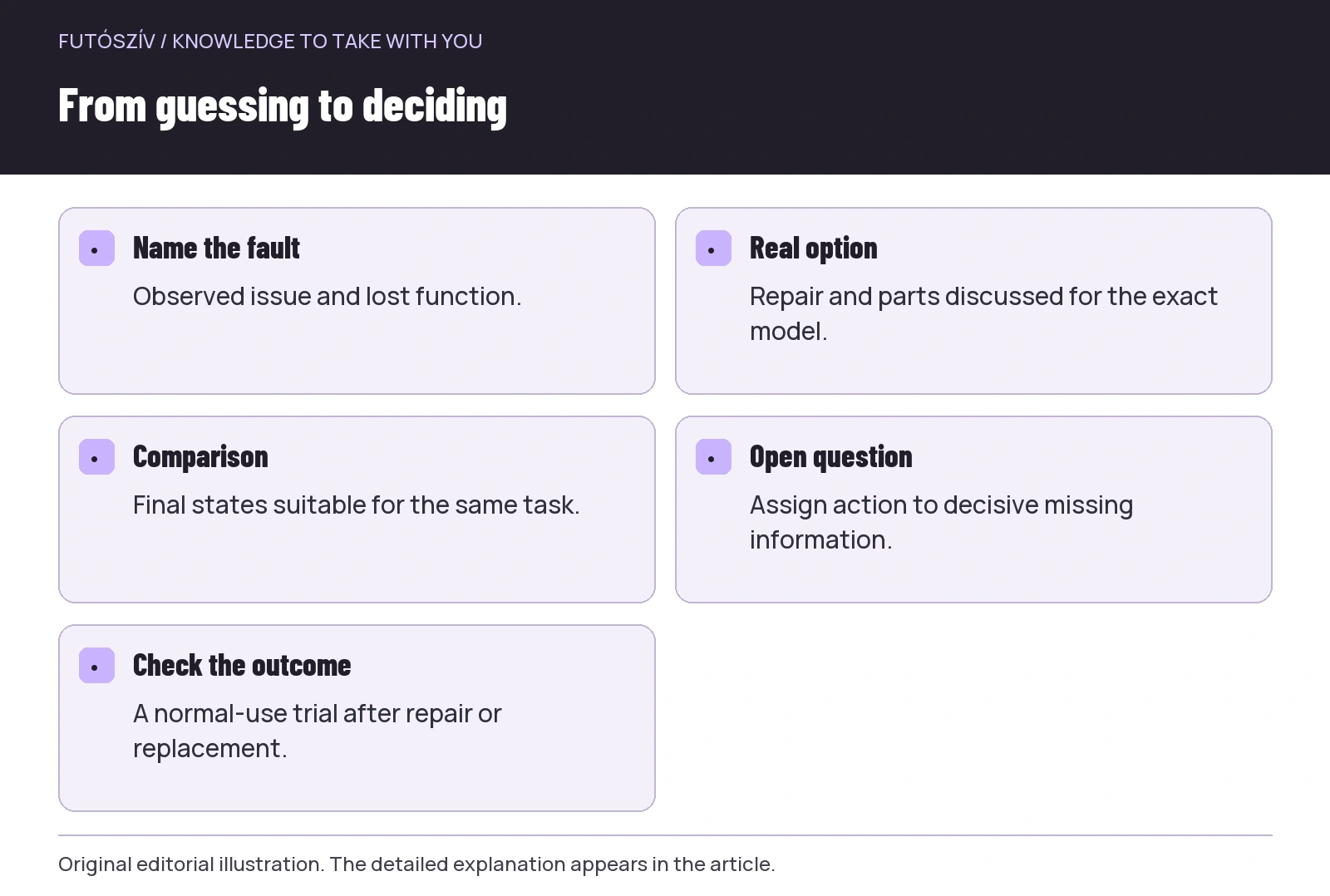 Enlarge diagram
Text version of the illustration
- Name the fault
- Observed issue and lost function.
- Real option
- Repair and parts discussed for the exact model.
- Comparison
- Final states suitable for the same task.
- Open question
- Assign action to decisive missing information.
- Check the outcome
- A normal-use trial after repair or replacement.
Two editorial examples for weighing options
In the first, a comfortable running jacket has a faulty pocket zip while main fabric and other closures have known condition. From the specific item, a repairer can explain what can be replaced and with what result. Compare that precise quote with a replacement jacket whose fit and function have already been checked, rather than reasoning from the old purchase price. In the second, an essential part is missing and a compatible replacement remains unidentified. Resolve availability before deciding on the apparently cheap repair.
These are not our workshop tests or results for a specific brand. They show the order of reasoning: known function, verified possibility, total expenditure and checked final state. Do not erase many open points through one numerical score. Give important uncertainties a next step, such as confirming parts or assessing actual condition. Obtaining one genuinely decisive detail can help more than lengthy weighting of rows whose contents remain assumptions.
Turn environmental considerations into concrete action
Continuing to use appropriately repairable equipment may extend its life. Do not automatically convert this into precise savings percentages or a universal environmental ranking. Products, repairs and use circumstances differ. In your decision, examine whether another item is genuinely necessary, a small component can be replaced and you will actually use the repaired object. Repaired but unsuitable gear left in a drawer does not achieve the same practical purpose.
If replacement is necessary, examine care, parts options and repairability before buying. This guarantees no unlimited lifespan but reduces later guesswork. Honestly describe known faults when passing the old item on, and handle unusable parts through appropriate local systems. Faulty equipment does not become a good donation merely by reaching someone else. Its onward route should match actual condition and the recipient service’s acceptance requirements.
Answer the same question after repair
When the item returns, compare the result with your original aim and work description supplied. Inspect the repaired area and check normal operation as manufacturer and repairer direct. A gentle trial is not a durability stress test. Describe and document any discrepancy precisely. Keep new care information. Repair ends when the necessary function and limitations are known, not merely when the parcel arrives.
A good comparison sheet need not have every row point to repair or every row to replacement. What matters is comparing real options suitable for the same task. Separate rows for function, parts, full cost, time and uncertainty make the choice understandable. It then depends on a checkable, usable outcome for the coming period rather than an improvised percentage rule or the item’s old price.
Sources and further reading
How Futószív articles are prepared: our editorial guidelines.