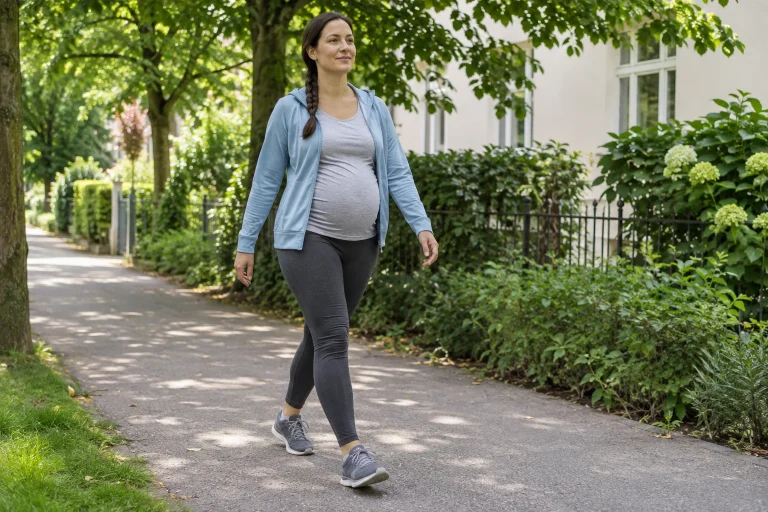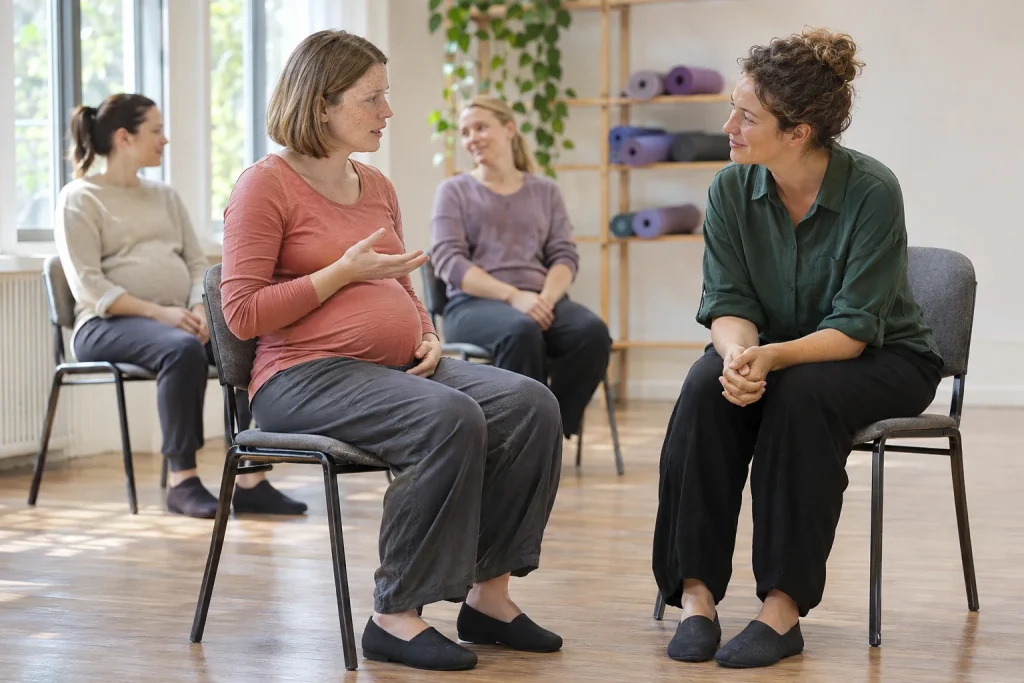
During pregnancy, you may still want new experiences, company and activity. Perhaps a new class caught your interest, or you are seeking another activity alongside previous running. An important distinction is whether you already do something regularly or are only now becoming familiar with it. Encouragement to be active does not mean every new sport can start under identical conditions. A new task can involve technique, environment and organisation, rather than just another name in a training calendar.
A good beginning need not be dramatic. The first step may be a maternity care discussion, a brief conversation with the instructor or getting to know the venue. Your condition, previous activity and details of the chosen activity can then enter the picture together. We do not provide a personal training plan; we help turn interest into a question your clinician and instructor can answer usefully.
What does “new” mean for you?
Distinguish three situations. Perhaps you were not regularly active before and now want to begin something. Perhaps you are an experienced runner but have never done the activity you are considering. Or perhaps you did it long ago and want to return after a long break. Do not compress these into being a sporty or non-sporty person. Specific history says more.
The NHS page on exercise in pregnancy mentions gentle, small beginnings and gradual development for beginners; it does not recommend starting a new vigorous activity such as running during pregnancy. This is not a general ban on movement. It shows that starting something new cannot be addressed with a sentence about continuing a familiar routine.
Bring your actual activity over recent weeks to the discussion. If you swam a few years ago but do not currently go in the water, do not describe it as uninterrupted continuation. If you run regularly but have never joined a strength class, running experience is a separate piece of information. A precise account supports an appropriate start rather than testing your sporting history.
Endurance and a new movement skill are different questions
An experienced runner can be a beginner in another setting. They may not know the equipment, sequence of group tasks or how to interrupt a particular situation. Being able to move for a long time in another sport does not replace understanding the new activity. Give learning a place in the programme, rather than immediately aiming to complete a whole class or predetermined volume.
Explain this difference to the instructor too. A useful sentence is: “I ran regularly, but I do not know this class yet. I am pregnant and want to clarify the conditions for beginning.” They then need not infer what knowledge lies behind an apparently sporty appearance. Learning pace does not follow from your previous race result.
A first visit can simply provide information: what equipment is there, where can you sit, how can you ask a question and who helps explain a modification? These everyday details help avoid participating through improvisation. If the venue cannot explain how individual boundaries work in practice, clarification takes priority over full participation that day.
Know your individual medical framework before choosing
The CDC information on activity during pregnancy recommends discussing changes to activity with your doctor. General guidance does not see your findings, possible symptoms or every pregnancy circumstance. Bring the specific new activity’s name and details to the discussion, rather than only requesting general permission to exercise.
Describe where the session takes place, which kinds of task it includes, how fixed the group pace is and whether the technique is new to you. If the advertisement does not explain these, first ask the provider. A class name may not mean the same thing to your care professional as to the organiser. A concrete description also offers a better basis for medical consideration.
Report any known condition, new symptom or previously given movement restriction separately. A general source establishes neither that all activities are forbidden nor that another sport’s name automatically resolves a restriction. Individual advice needs to apply clearly to the chosen activity too.
 Enlarge image
Heart rate alone does not describe a venue’s risks
The ACOG patient information emphasises avoiding sports involving collision, abdominal injury or falling, and warns against hot yoga or Pilates involving overheating. Planning a programme slowly or at a low heart rate does not make these considerations irrelevant. Assessing movement involves more than intensity.
Think through the programme as a real situation. Are there other participants moving quickly, unpredictable equipment, a slippery or uneven surface or unusual temperatures? You do not need to perform your own safety audit, but ask about these circumstances and bring them into the individual discussion. Even a calmly named class may have a part needing separate clarification.
| Question area | What should you ask beforehand? | What should not count as an answer on its own? |
|---|---|---|
| New skill | Is there an individually guided opportunity to learn as a beginner? | Already being fit in another sport. |
| Environment | What surface, temperature and movement space does the class involve? | The class’s friendly name. |
| Modification | Can the individual framework agreed with your care professional be implemented? | A general statement that everyone can take it easier. |
| Stopping | How can you signal, stop or omit a task? | The class lasting only a short time. |
Asking questions does not spoil a first experience. It helps avoid sudden decisions about rapid instructions in a new environment. Learning conditions beforehand allows calmer attention to learning within individually appropriate boundaries.
A class advertised for pregnancy does not replace individual discussion
ACOG mentions yoga and Pilates classes adapted for pregnancy, while the NHS asks you to ensure the instructor knows you are pregnant. The label can be a useful reference, but does not establish individual suitability. Ask about the instructor’s experience with pregnant participants and handling different histories or modifications from maternity care professionals.
An opportunity for discreet conversation before starting helps. You do not need to explain every medical detail to the whole group. Equally, do not conceal important boundaries to avoid seeming complicated. Well-organised learning includes the instructor understanding which task they can help with and which question belongs back with a healthcare provider.
Asking about qualifications is more than collecting an abbreviation. Practical operation matters too: is explanation understandable, is there time to understand a new task and can individual modifications work? A certificate and class name guarantee nothing for every situation, but specific questions help show what to expect.
Gradual development need not be a predetermined increase formula
Starting new activity gently does not necessarily mean applying a weekly percentage-increase rule. Alongside general NHS encouragement, individual guidance determines your start and modifications. Well-being and feasible daily routines can change during pregnancy too. You do not need to build an automatic progression requirement into a new programme.
Understanding the first period’s purpose may help more: learning the task, recognising the appropriate position and following agreed boundaries. Longer or harder sessions are not compulsory evidence of progress. A week without a volume change can still involve learning and a good movement experience.
If a new programme immediately demands more sessions, expensive kit and lengthy travel, consider the whole commitment. A learning opportunity can remain valuable even if you initially only gather information. A class pass or group challenge need not make you follow a pace not discussed for your individual situation.
After the first visit, bring back experience rather than a judgement of yourself
After trying a new programme considered appropriate, briefly describe what was clear, what was not and how you followed individual boundaries. “I was useless” offers less information than an instruction being too fast, equipment use remaining unclear or insufficient time to change position. The instructor can respond more specifically to those details.
Treat a physical symptom separately from uncertainty in learning. With pain, dizziness, overheating or feeling unwell, the NHS says to stop; seek medical guidance for a new or unusual symptom. You do not need to repeat the whole activity next time to decide whether it really mattered. Repeating a movement situation is not a diagnostic task.
Enjoyment need not consist only of successful performance. Meeting new people may have been pleasant while the activity itself does not suit you now. That does not make the trial a failure. With individual conditions understood, choose another programme or postpone becoming familiar with it. A new sport is not a compulsory project because it once interested you.
 Enlarge image
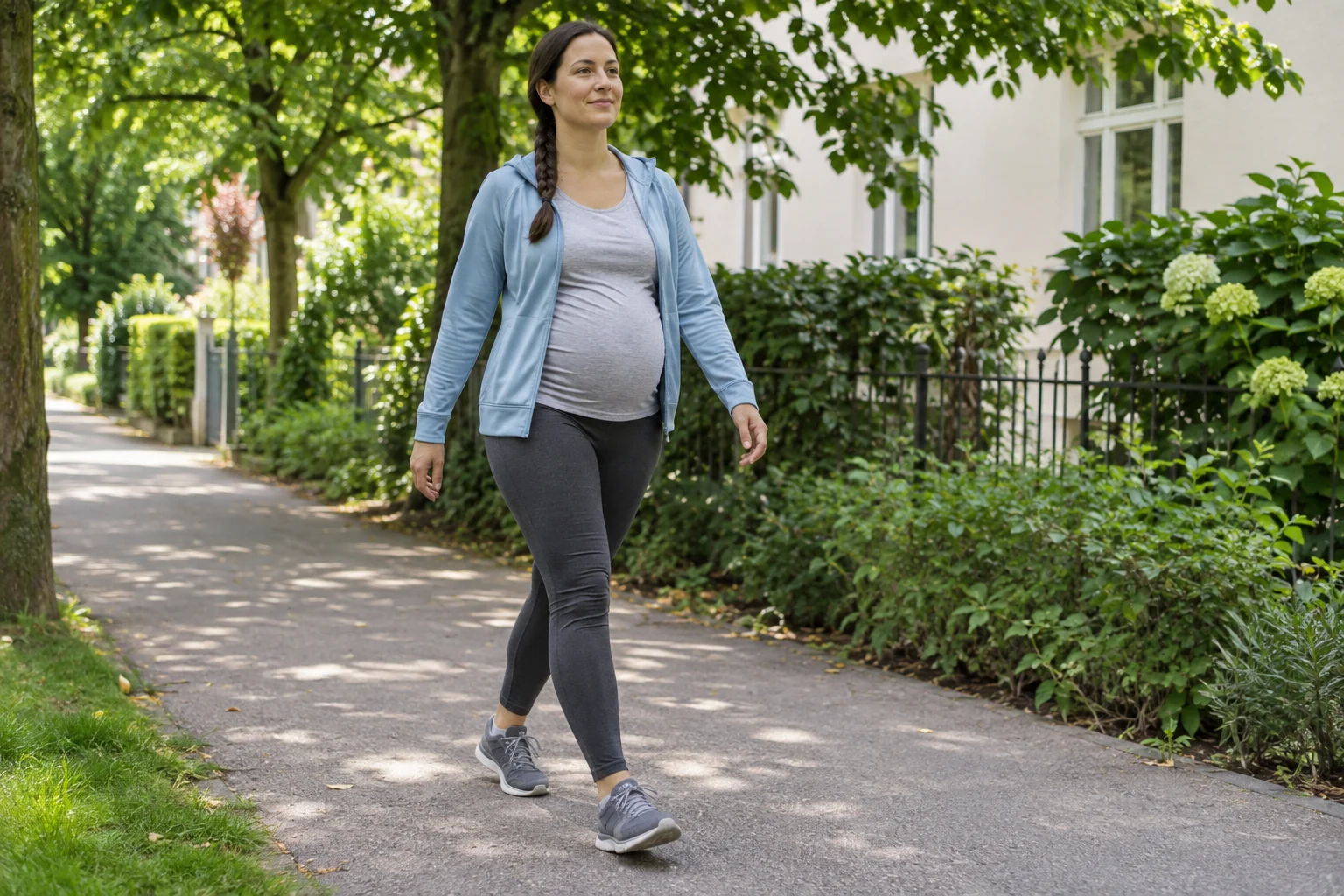
Three different beginnings, three different questions
The first participant was previously less active and wants a gentler, accessible routine. The first question for the clinician is which activity and beginning suit their condition. They do not need to copy already active friends’ calendars. General guidance can offer encouraging background while an individual start remains simple and small.
The second is an experienced runner unfamiliar with the new class’s equipment. Alongside sporting history, the question concerns learning a new skill. Good fitness does not oblige them to follow every task in the first class. Individual maternity care boundaries and beginner instruction together make participation understandable.
The third wants to return to a routine from years ago. First clarify what counts as present experience and what is only an old memory. The former group or equipment may also have changed. Discuss return with current condition, the break and learning help actually available all included.
A good question is more than whether it is allowed
At the first discussion, you might say: “I would like to learn this new activity. This is my previous activity, these are my current circumstances and this is what I know about the class. Under which conditions might it suit me, and what else needs clarification?” This expresses interest and independence without deciding the answer beforehand.
End the conversation with a clear next step: more information, individual assessment, discussion with an instructor or a start considered appropriate. Ask about later changes too. If a new symptom or care circumstance appears, do not treat the earlier sentence as unchanged permission.
Learning a new activity during pregnancy need not be a performance project. It can form part of curiosity and attention to yourself, under appropriate individual conditions. See what is actually new: skill, environment and organisation. You then need not manufacture an automatic answer from an old running routine or general guidance to the question you now want to ask well.
Sources
- NHS: new and familiar activity during pregnancy
- CDC: activity and discussion with a care professional
- ACOG: exercise during pregnancy, restarting and activities to avoid
How Futószív articles are prepared: our editorial guidelines.