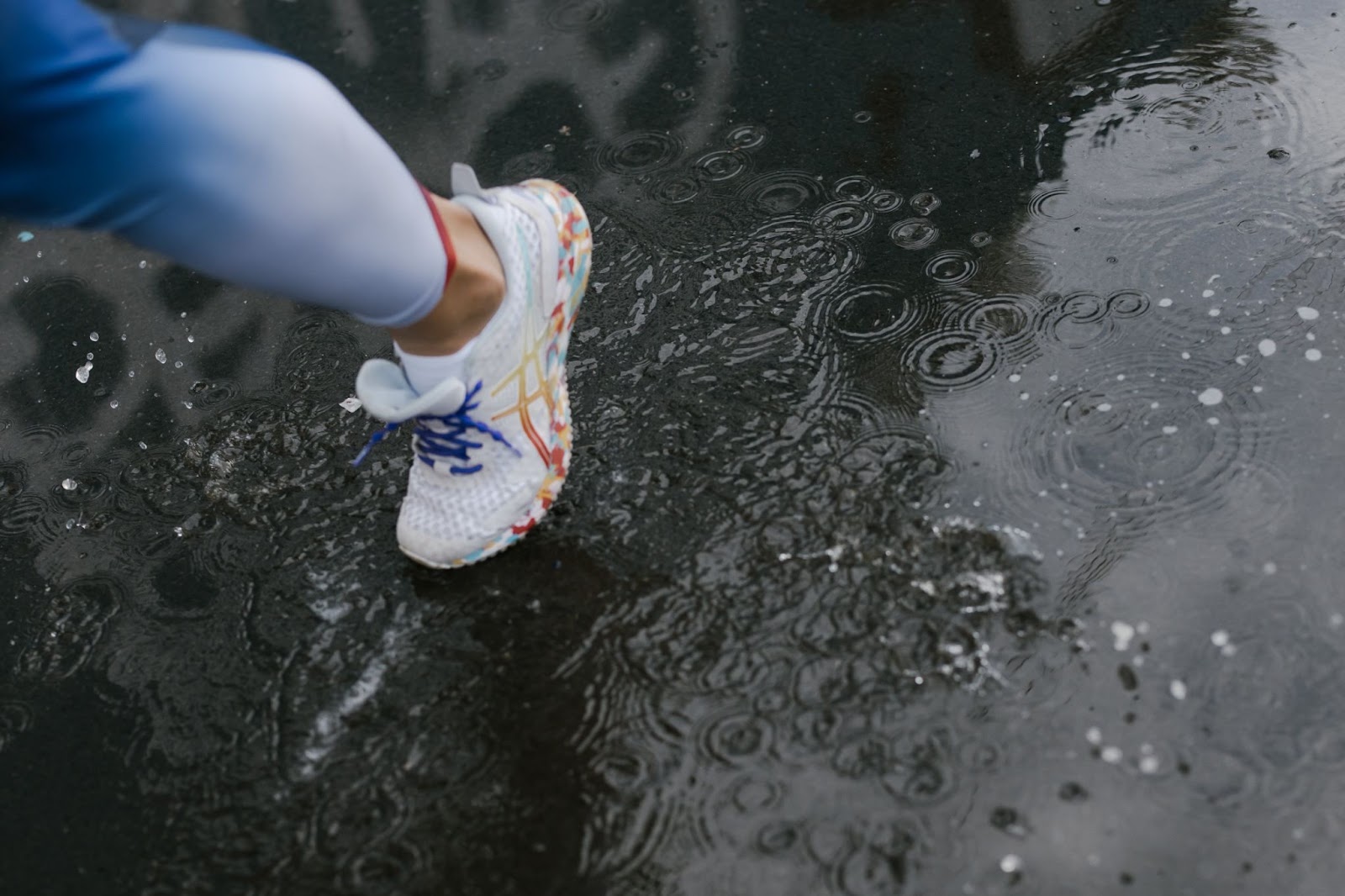
Finding the perfect running shoes is crucial for preventing injuries and enjoying running. The right shoes provide appropriate support and stability and help absorb the forces generated while running.
Tips for finding the perfect running shoes:
1. Understand your running style
The two main running styles, according to how the foot contacts the ground, are:
- Whole-foot runners: These runners land on the entire sole of the foot. This running style generally requires softer, more cushioned shoes.
- Heel-strike runners: These runners land on the heel first. This style generally requires more stable, stiffer shoes.
2. Important considerations when choosing shoes
- Running surface: If you run on asphalt, you will need more cushioning than if you run on trails.
- Running distance: Less cushioned shoes may be sufficient for shorter distances. For longer distances, however, you need more cushioning to help reduce fatigue.
- Running frequency: If you run several times a week, you need more durable shoes.
- Running intensity: If you run faster, you need more stable shoes to help prevent injuries.
- Weight: A runner’s weight also affects shoe choice. The heavier the runner, the more stable the shoes needed for comfortable running.Editorial clarification · 22 November 2026. Body weight alone does not determine a compulsory shoe-stability category. Fit, comfort, use and previous experience matter too; injury-prevention evidence for shoe types remains uncertain. Source
3. Try the shoes on
Always try running shoes while wearing running clothing. They should fit snugly without being too tight and provide enough width for the toes to move freely, without slipping on the foot.
When trying shoes, walk or run in them for a short while. This lets you check that they are comfortable and support your feet properly.
4. Listen to your body
If the shoes are uncomfortable, do not force yourself to run in them. Look for another pair that fits and supports your feet better.
Further tips:
If possible, consult a professional who can help choose suitable shoes.
Read running-shoe reviews to learn about the different options.
Look at running blogs and forums to learn about other runners’ experiences.
Finding the right running shoes takes time and effort, but it is worthwhile. The right shoes help prevent injuries and make running more enjoyable.

How Futószív articles are prepared: our editorial guidelines.