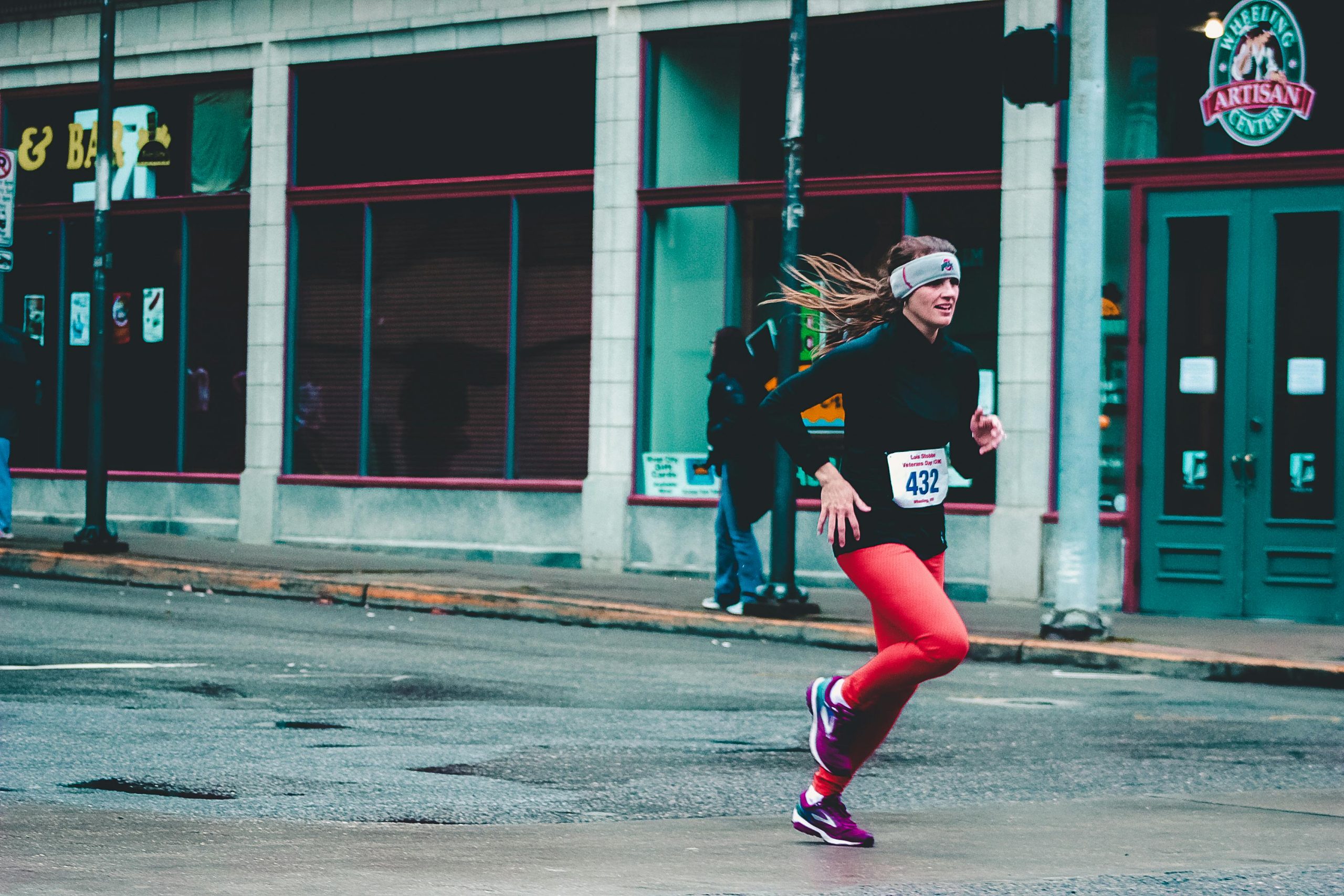
If you usually run on flat ground, you will notice a completely different feeling after just a few metres uphill: the climb puts greater demands on your legs and heart, requires a very different technique and may feel more tiring at first, which puts many people off. Descents can also cause problems. Should you let gravity take over or deliberately slow down as you run downhill? It is understandable to have doubts: nobody wants to damage their joints or put more strain on their body than usual. With the right technique, however, there is no need to be afraid of hills. This article is for anyone who feels uncertain about setting off on a hilly running route. We have gathered our best tips for making uphill running, hill running or mountain running a success.
First, let us look at what makes running uphill challenging. It is the angle at which you stand in relation to the ground:

This already places more strain on the joints than flat ground and requires a different posture. Added to this is increased resistance, which raises your heart rate. For these reasons, gradual progression is particularly important. Start by trying this kind of running on a gentler slope, covering only a few hundred metres at first. Once you have become accustomed to the effort, you can increase the running time and the gradient, while continuing to take care. You can also use your phone’s spirit level to determine the gradient.
What are the benefits of running uphill?
First, it benefits running technique. The changed ground angle makes us instinctively lean further forwards, so we land directly beneath our centre of gravity and do not lose momentum or brake ourselves as we run. We also have to lift our knees higher than usual, which helps us move more dynamically. Steeper stretches encourage shorter steps, allowing us to develop our cadence and become faster runners. Running down a slope can also develop coordination at higher speeds, although for amateur runners we recommend jogging downhill with small steps and a restrained pace.
Running uphill also affects mental health, as the brain works hard and our ability to concentrate develops. It strengthens the core muscles, improves endurance and lung capacity, and is an excellent way to improve performance compared with running on level ground; many people regard it as speed training. Lifting the knees higher makes the hip muscles work more intensively, and our movement becomes more dynamic overall. The arms also move more, bringing the oblique abdominal muscles into greater use. Because breathing is harder, anaerobic capacity—the ability to work with insufficient oxygen—improves. The body’s ability to transport oxygen becomes more efficient, delivering more blood to the muscles as well.
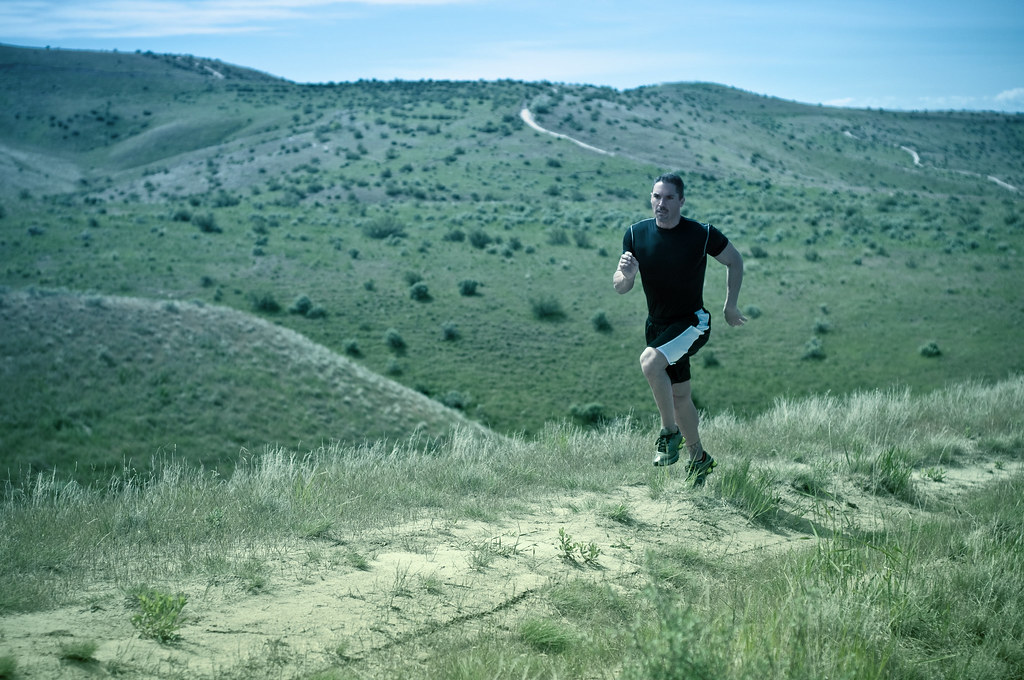
For leg technique, the most important thing is to take shorter strides and try to tense your ankles and toes as much as possible during each step. Keep your posture upright and your back firm. Position your head facing forwards so that your centre of gravity stays over your feet. Your arms should move in time with your legs, and making greater use of their swing and strength than usual can make climbing easier. Reduce your pace on hills too, giving your body time to adapt to the increased demands. If you stop to rest, stretch your legs and feet to reduce muscle soreness. Stretching the calves can be particularly helpful for keeping you running longer: calf pain is what many people find most troublesome when running in the hills. Comfortable shoes with good grip are also important. Where possible, choose walking paths or trails to reduce the risk of slipping; they are also more comfortable to run on than asphalt.Editorial clarification · 22 November 2026. Stretching is not an established general method for preventing delayed-onset muscle soreness. The Cochrane review found no clinically important reduction. Pain is not a reason to stretch and then force yourself to keep running. Source
How Futószív articles are prepared: our editorial guidelines.