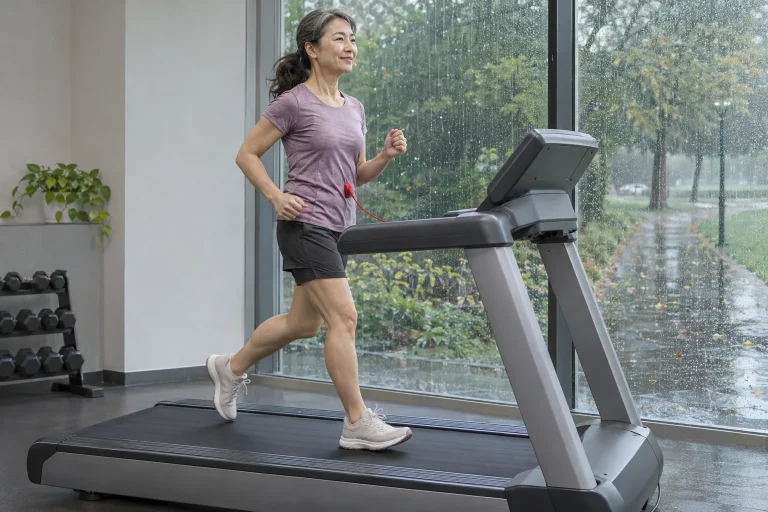
We do not necessarily remember every minute of an exercise session with equal weight. Experience can differ during it, immediately afterwards and a few days later. If an experience becomes more pleasant towards the end, might that also influence later memory and anticipation of the next session? Researchers have examined this using specific experimental exertion patterns.
One well-known study compared recumbent cycling with increasing and decreasing intensity. Its result is interesting, but is neither general cooldown guidance nor a running plan. Understanding requires separating how exertion develops over time, experienced unpleasantness or pleasantness, retrospective evaluation and anticipation. A better memory is not the same endpoint as endurance adaptation.
Experience unfolds over time rather than happening as one score
An outing may begin with uncertainty, bring absorption in the middle and end with relief or tiredness. These cannot necessarily be compressed into one unchanging feeling. Saying afterwards that it was good may include your own interpretation of its different sections. Researchers can therefore measure experience at different times with different questions.
Exertion and emotional experience may relate without being identical. Greater perceived effort is not always the same as unpleasantness, and an easier section does not guarantee good spirits. Precise names help prevent treating every subjective measure as one difficulty scale. How tiring something is and how pleasant it is answer different questions.
The pattern over time is separate from total amount. Two sessions can involve similar total work while harder and easier sections occur in different orders. They still do not become equivalent workouts in every respect. Examining the structure of experience does not replace analysis of activity goals and physical consequences.
What did the recumbent-cycle experiment compare?
Zenko, Ekkekakis and Ariely randomly assigned 46 adults to two fifteen-minute recumbent-cycling conditions. In one, power increased from 0 to 120 per cent of the wattage corresponding to the measured ventilatory threshold; in the other, the same sequence decreased in reverse. This percentage is not percentage of maximum heart rate or a recommendation for home workout settings.
The decreasing-exertion condition produced more favourable post-exercise pleasantness and enjoyment, as well as more pleasant memory and anticipated experience. A more positive slope of experience over time was also related to retrospective and prospective evaluations. Follow-up ratings ranged from fifteen minutes to seven days after exercise.
The experiment did not establish that every runner should begin with a hard section. It measured psychological outcomes in a particular laboratory situation. Its result does not imply adopting that exertion pattern without appropriate professional and health safeguards. The lesson concerns experience’s temporal structure in the task studied, rather than an order suitable for every purpose.
Later enjoyment, memory and anticipation are separate endpoints
Immediately after an outing, you can rate how good it felt. Later, you report how you remember it. Before another outing, you imagine how it might feel. These questions are closely related, but do not concern the same time or experience. Research also needs to treat them separately.
More favourable anticipation does not automatically prove that someone later exercises more often. Actual participation would require separate follow-up. Similarly, a more pleasant memory does not establish greater physiological effectiveness. Tying a finding precisely to what was measured avoids striking but untested conclusions.
Runners can use this distinction in everyday conversation too. You can say it was difficult during the activity, you felt good afterwards, but you do not want the same thing now. This is not necessarily contradictory. You are discussing separate times and questions. All your later thoughts about an earlier outing need not become one final verdict.
 Enlarge image
What did running experience followed for two weeks show?
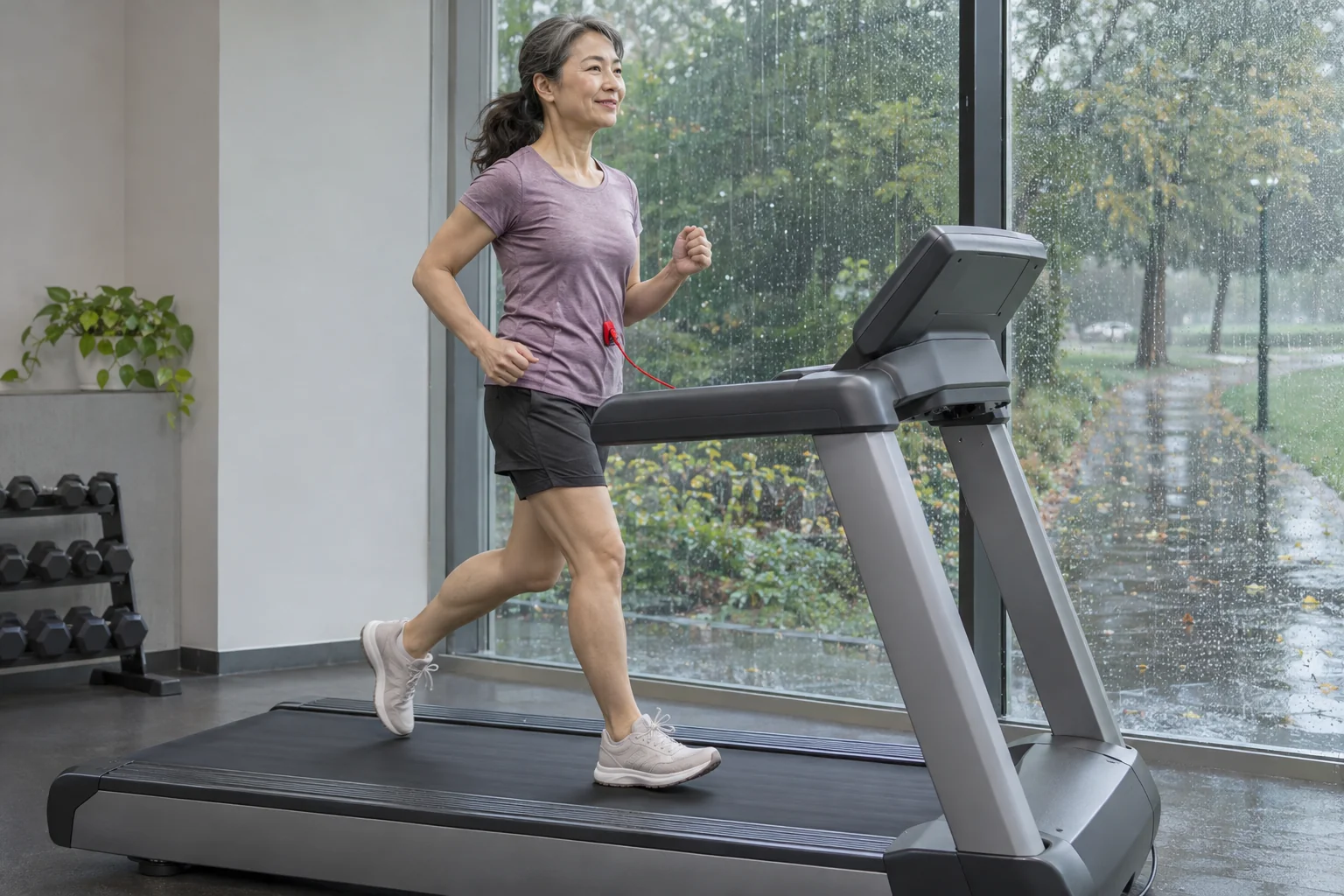
Slawinska and Davis examined two twenty-minute treadmill sessions in 42 physically active adults, using exertion below and above individual ventilatory threshold in a crossover design. They measured immediate affect and recalled pleasantness separately, assessing the latter at several points over the following two weeks.
Recalled evaluation changed over time; at twenty-four hours, both conditions showed a decline, while the lower-intensity session was recalled more favourably overall. This asks a different experimental question from the cycling exertion slope. It did not test which ending would suit every runner.
Together, the studies suggest that the timing and recall of exercise experience deserve separate attention. They need not become one universal memory rule. Participants, activity and exertion design differed, so limits to their joint interpretation remain.
The ending does not erase feeling unwell in the middle
Later evaluation of an experience cannot justify overlooking a problem arising during activity. If something is painful, dangerous or inappropriate for your condition, a more pleasant final few minutes does not make it right. Memory and health assessment are different questions. A better memory is not retrospective safety clearance.
It is therefore unhelpful to create an unpleasant beginning deliberately merely to make the subsequent direction of change more favourable. The experiment took place under research conditions, rather than prescribing exertion tests of your own. Appropriate workout structure should follow purpose, condition and professional guidance, not only the expected shape of memory.
A more pleasant ending can still have value if it appropriately fits your outing. For example, you may enjoy saying a calm goodbye to companions or heading home without rushing. These are our everyday examples, not interventions established by the cycling experiment. Avoid quietly converting research on exertion changes into evidence for any pleasant closing gesture.
Memory is not an objective workout log
If an outing later seems more pleasant, its recorded exertion has not changed. Equally, a worse mood later does not automatically rewrite the workout’s actual task. Experience and workout data preserve different information. Both can matter while answering different questions.
Your own log can therefore separately contain what you did and how you experienced it. Not every feeling needs to become a number. A brief note may be enough to prevent later guessing an outing’s meaning solely from completed distance. This is a personal organising option, not a new research-validated measurement method.
Changing recall does not automatically mean one memory is false. Different details may come forward at different times, and question wording can matter too. You need not judge yourself unreliable for telling a differently shaded story about an earlier run today. For precision, it may be enough to name when and from which perspective you are evaluating it.
When discussing an outing with your coach, say which time you mean. What was difficult during the task differs from what you enjoy remembering a day later. This retains both the specific problem and later evaluation in the conversation. You need not select one true story between them; several precisely named forms of feedback can help the next decision.
Not every outing must end on a good feeling
The idea of a pleasant ending can easily become another expectation. If you feel no particular pleasure at the end of the day, it can seem you did something wrong. The research does not imply this. With individual differences and changing circumstances, a group finding does not prescribe a compulsory personal state.
An ending can be neutral or mixed even if the outing was appropriate overall. At other times, tiredness or an urgent task may take centre stage. You do not need to manufacture a positive experience at the end of every run. Observation may make more sense than trying to fit your feelings to a desirable curve.
If a recurring detail repeatedly makes the ending unpleasant, name it specifically. Rushing, uncertainty about getting home and a poorly coordinated time are different questions. Addressing them can offer practical help without promising a memory effect. An ending that works better in your own life can be a worthwhile goal in itself.
 Enlarge image
Do not confuse anticipation with manageable exertion
A pleasant memory may make you think more fondly of exercise, but the next task must suit your current condition. A previous experience is not a fresh suitability test. Illness, a break or changed circumstances may call for a different decision even when you remember the earlier outing warmly.
Less favourable anticipation does not prove the next run will be bad either. It may have several components worth understanding. You need neither follow it blindly nor automatically treat it as a negative thought to defeat. Personal experience is information to interpret alongside real conditions and professional support when necessary.
Anticipated pleasantness measured in research is therefore not a tool for prescribing training amounts. It answers how participants evaluated a future experience after a particular experiment. Safety, purpose and life circumstances still have separate roles in a runner’s decision. One psychological variable does not replace them.
The course of experience is interesting, not a ready-made training recipe
Decreasing-exertion recumbent cycling produced more favourable memory and anticipation in the experiment described. Retain what was actually examined: a session’s temporal structure can matter in psychological evaluation. There is no need to add a general running plan or a compulsory ending for everyone.
Understanding your experience may require only naming separately how it felt during the outing, afterwards and when looking back later. Memory then neither replaces every other consideration nor remains invisible. In your activity’s story, the actual task and lived experience can sit alongside each other within appropriate limits.
Sources and limits of practical interpretation
Zenko, Ekkekakis and Ariely: Can You Have Your Vigorous Exercise and Enjoy It Too? – a recumbent-cycle experiment with increasing and decreasing exertion. Slawinska and Davis: Recall of Affective Responses to Exercise – treadmill experience and two-week recall. The everyday ending examples are our explanations, not running-training or cooldown prescriptions taken from the studies.
How Futószív articles are prepared: our editorial guidelines.