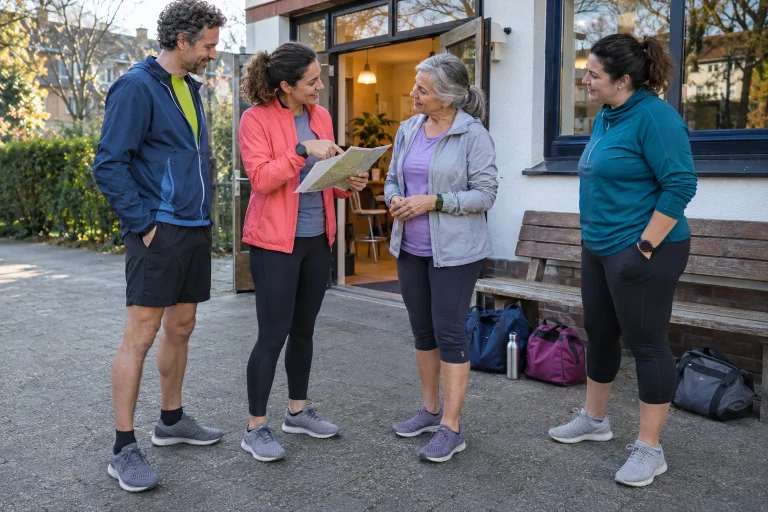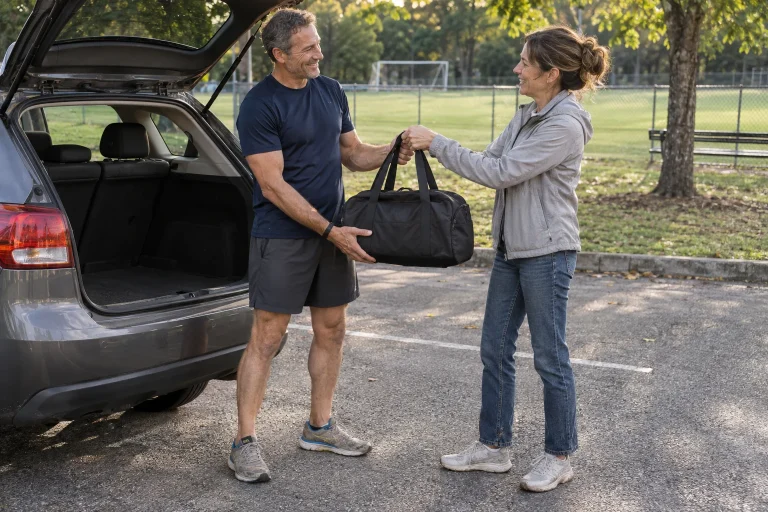
Moving together in a park can mean much more than the distance covered: meeting people, conversation and a break from the usual week. With narcolepsy, however, accepting an invitation also involves details an organiser might not consider. Will an accessible rest area be available? Who knows what to do for a symptom already recognised in your case? What happens if your condition that day requires changing the agreed activity?
This guide helps someone with an established narcolepsy diagnosis prepare for a conversation with their care team and chosen companion. It does not determine whether running, walking or any other activity is safe for you. An individual plan is made with a professional who knows your condition; the community’s task is to respect the agreed conditions in practice.
Sleepiness and muscle weakness are two different questions
Narcolepsy is a chronic neurological disorder of sleep–wake regulation. The AASM information highlights marked daytime sleepiness and involuntary sleep episodes; night-time sleep may also be fragmented. This explains why equating it simply with usual tiredness after running training is misleading. Good physical fitness does not replace individual assessment of the condition either. AASM: professional fact sheet on narcolepsy.
Cataplexy is a different phenomenon: it can involve sudden muscle weakness triggered, for example, by laughter or another strong emotion. Not everyone with narcolepsy experiences it. According to the NIH description, consciousness is preserved during cataplexy; a person may still hear those around them even when temporarily unable to respond as they wish. This matters in a personal plan prepared beforehand, but knowing the diagnosis alone does not permit a running companion to classify an unfamiliar episode as cataplexy. NINDS: symptoms and characteristics of cataplexy.
For the conversation, put the daytime sleepiness you usually experience and any previously medically assessed muscle-weakness episodes in separate columns. Add the circumstances, what you know reliably and what remains uncertain. You do not need to test yourself in a dangerous situation to have something to report. A factual account of an event that already happened is more useful than how long you resisted sleepiness during a harder workout.
What should you take to the care-team discussion?
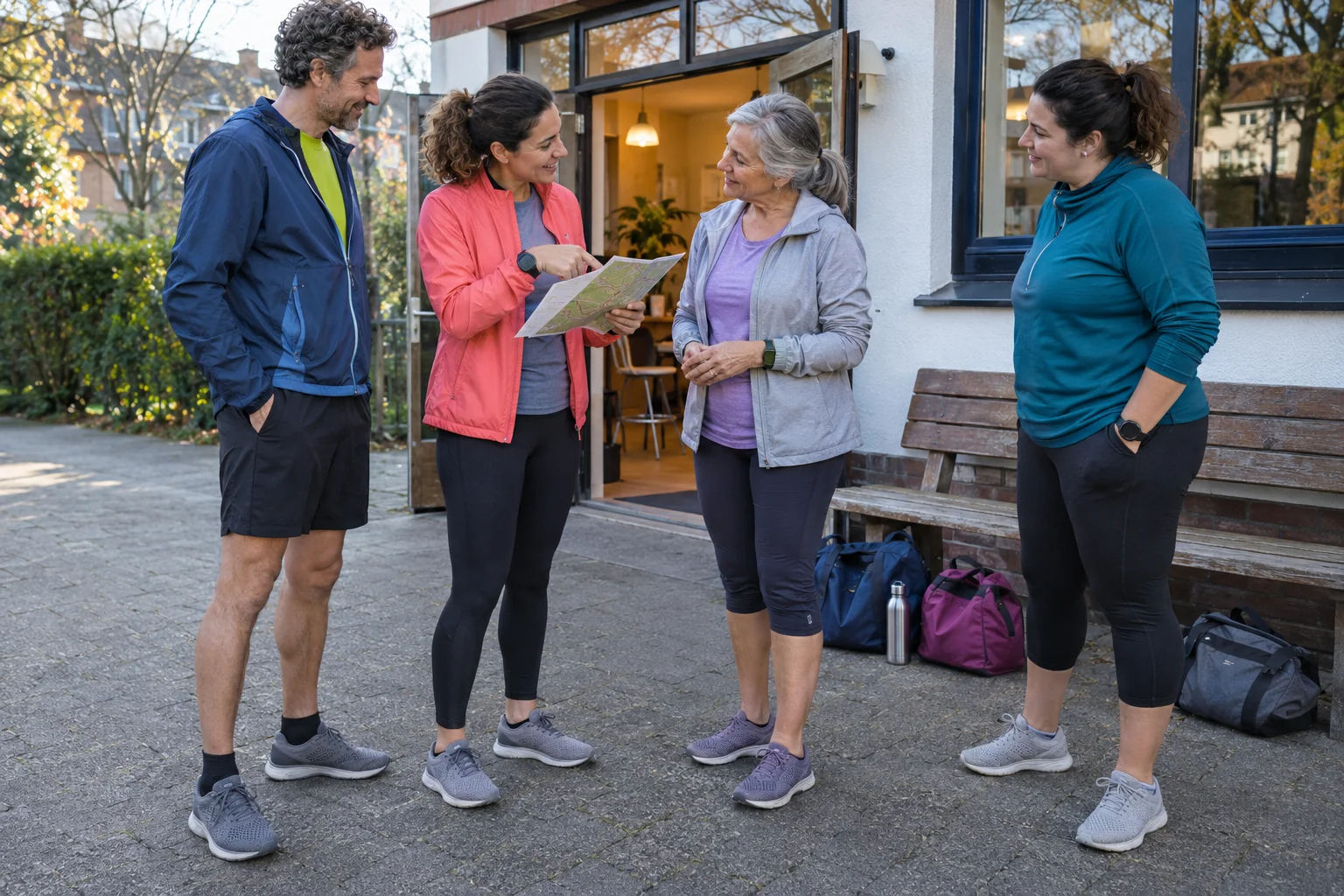
Do not ask only whether you may do sport. Describe the actual outing: where you want to go, what activity is planned and whether there are road crossings, waterside sections, technical terrain or stretches difficult to leave. Include expected departure and return times, outward travel and help available in the group separately. A nearby flexible park outing and a distant race day with a tight schedule involve different arrangements.
The European professional guideline says narcolepsy treatment may combine medication and non-drug elements, with choices adapted to symptoms, other conditions, tolerability and potential interactions. Planned daytime naps are also among its recommendations. This does not establish an identical pre-exercise nap or medication schedule for everyone. Discuss coordination of your own daily routine and prescribed treatment. EAN–ESRS–EU-NN: European treatment guideline, 2021.
Bring an exact list of medicines and products used regularly and occasionally, and report recent changes. Ask what circumstances require postponing the outing, when to contact the team again and what help to request from your companion. Do not skip treatment, increase a dose independently or try a new product to “ensure” you can exercise for the group’s meeting time. Adapt the itinerary to the agreed care.
 Enlarge image
Choose the form of activity around individual conditions
The CDC also emphasises the value of physical activity for adults with chronic conditions or disabilities, while recommending professional discussion about suitable types and amounts. This is general public-health information rather than a suitability assessment specifically designed for runners with narcolepsy. The group’s job is therefore not to derive a required number of kilometres from a general weekly recommendation. CDC: physical activity with chronic conditions.
In organising, distinguish social participation from that day’s movement task. For example, after activity agreed with your doctor, you might join conversation at the same meeting point. If running does not fit your personal plan that day, being part of the group need not necessarily end. Nor must every circumstance have an active substitute: rest and contacting the care team may take priority that day.
The European guideline discusses regular physical activity as part of a healthy lifestyle, but also identifies the need for further research on how particular exercise programmes affect symptoms. A club should therefore not promise that a special running workout eliminates sleep episodes or cataplexy. Useful community support here means enabling participation alongside personal conditions without requiring symptoms to be hidden as proof of a successful session.
Review the route together with its exits
When planning, ask about more than distance and elevation gain. Where can you stop comfortably? At which point can you actually end participation? Is an accessible, checked rest area available, and how can you get home from it? An exit close on the map may in reality be a locked gate, stairway or route where the group cannot currently pass safely. Your chosen companion should know the same places designated in your plan.
The NHS specifically warns that activities where unexpected sleep or a fall can cause injury may become dangerous. Discuss the consequences of the environment for the group outing: a wide park path that is easy to leave differs from a narrow roadside verge or steep edge. This does not give the park path a general safety certification either; the examples help specify circumstances for individual discussion. NHS: narcolepsy and safety considerations.
An inclusive organiser answers concretely, for example by explaining where the open communal room is and who is there. “You can stop whenever you like” is insufficient if the group moves on, you lack your phone and you must return alone to leave. Agree beforehand that the chosen companion stays with you when plans change, while the others know who informs the organiser. Everyone should accept only tasks they can genuinely carry out.
What should you share with your companion, and what remains private?
Your diagnosis is not a group introduction exercise. You choose whom to tell about your condition and in how much detail. A safety agreement must nevertheless be understandable to someone from whom you request specific help. Separate your important personal story from the few practical details needed for the outing: when to signal, whom the companion should call and where to find the previously agreed plan.
A useful opening might be: “I have a medically recognised sleep–wake condition; this is the part I would like to share with you for our outing.” You do not then have to read every medical report aloud. Explain what personal support you have agreed with the care team for a recognised symptom, and what counts as new or unusual. The companion’s task is neither verifying the diagnosis nor judging whether you are trying hard enough.
The agreement should be mutual. Ask whether the other person can accept the role, and say if you do not want the entire club to know about your condition. Information for the organiser can be shorter than what you tell your chosen companion. Discuss photographs, event descriptions or later social posts separately: an episode of feeling unwell does not become a publishable story because it happened at a group outing. Accepting help still leaves you personal decision-making space.
A short outing sheet you can prepare beforehand
The following table is an organisational reminder rather than a medical protocol. Clarify clinically relevant rows through your own care and verify location details with the organiser. A good sheet need not contain a large amount of sensitive information; it lets the appropriate person find the necessary part quickly.
| Detail | What should you record? | Who clarifies it? |
|---|---|---|
| Participation conditions | The individually agreed activity and circumstances for postponement. | You and the care team. |
| Timing | Coordinate travel, meeting, prescribed daily treatment and rest opportunities. | You, with a professional if needed. |
| Location | Meeting point, usable exit and verified rest area. | You and the organiser. |
| Helping role | Who stays when plans change, whom do they notify and what have they agreed to do? | You and your chosen companion. |
| Getting home | An alternative actually available if the original plan fails. | The people travelling. |
For example, at a Saturday gathering the group divides into different activities. Your previously agreed option connects to the common starting point, and leaving does not depend on the whole group’s return. Your chosen companion knows this, and the organiser does not unexpectedly start the group elsewhere. If conditions change, you do not need to prove at the location that you can complete the new version too.
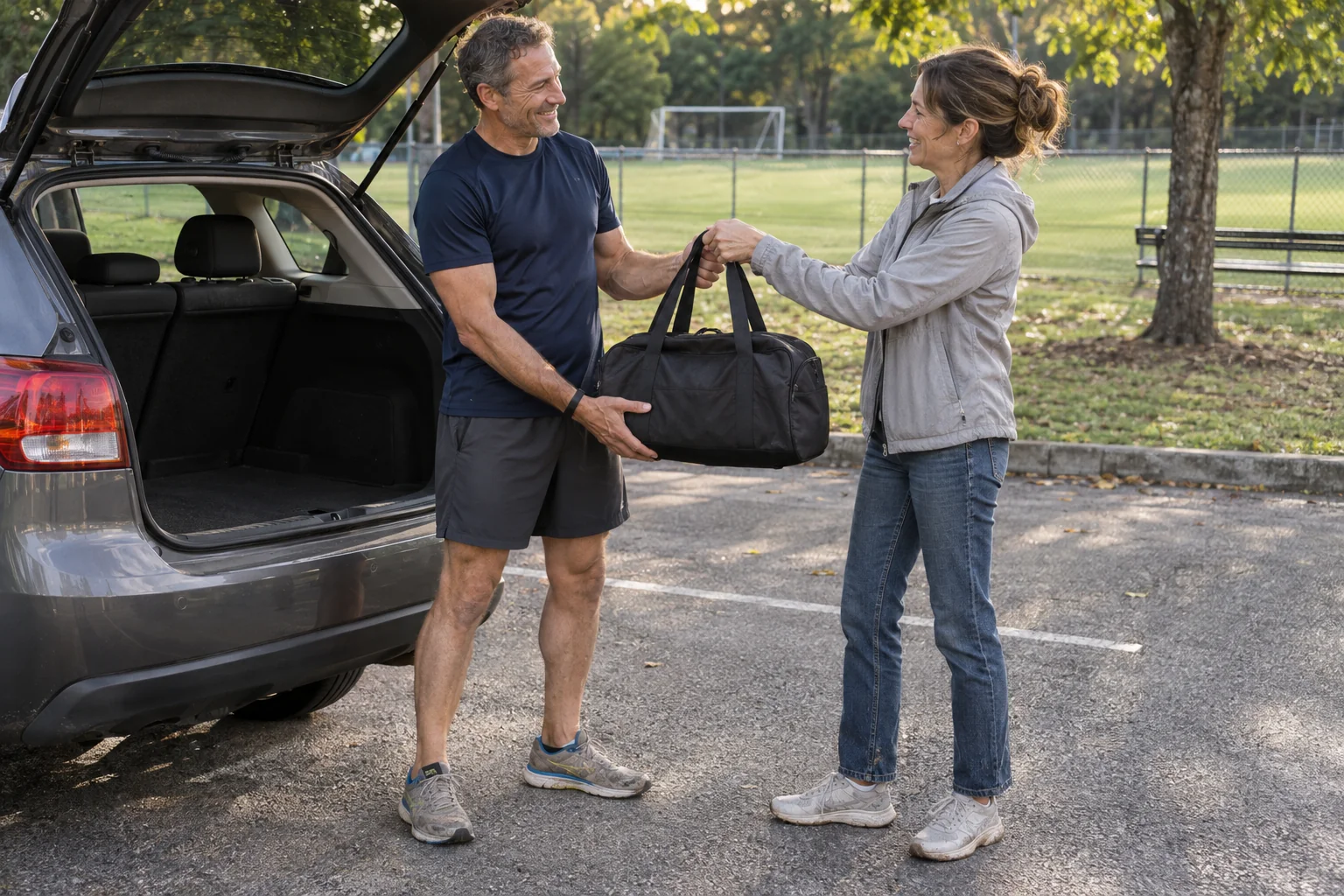
In another situation, an event website promises a rest zone, but it opens only after finishing. Establish this before departure, because the label alone does not provide the access specified in your personal plan. The same applies to a phone or documents left in baggage storage: genuinely consider availability of anything you may need to access. The outing sheet helps verify details rather than tick off uncertainties.
 Enlarge image
Do not explain an unfamiliar episode by the diagnosis
Support for a previously recognised symptom covered in a personal plan and responding to a new episode are separate questions. Do not assume every fall, lack of response or injury in a person with narcolepsy definitely comes from their existing condition. If someone does not respond, call 112 immediately; meanwhile check breathing and follow the emergency dispatcher’s instructions. With abnormal breathing, do not delay CPR and use of an available AED because of an assumed sleep episode. Resuscitation Council UK: adult basic life support, 2025.
Your companion need not become a neurologist to take a new situation seriously. The personal plan should clearly identify which previously assessed events its support covers, and that it is not a tool for distinguishing an unfamiliar condition at home. Contact details and precise location information can often be prepared as logistical matters. They do not remove the need for urgent help when required.
Regard travel as part of the outing too. The AASM narcolepsy information specifically emphasises avoiding drowsy driving. Completing the group activity or a lively conversation alone does not establish fitness to drive. If the journey-home plan is incompatible with your current condition, have another genuinely usable solution; do not let the group’s hurry to leave decide for you. Clarify individual and legal driving conditions with the appropriate professional rather than automatically adopting foreign rules.
Make the experience useful for the next gathering
After the outing, review whether conditions worked. Was the designated place accessible? Did the agreed route remain unchanged? Could your companion remain in the role accepted? A new symptom or change in your usual condition belongs in discussion with your care provider; you need not repeat it at another workout to find out whether it was real. Handle organisational lessons and health changes separately.
A useful outcome for the community may also be modifying an outing in good time and arranging a calm journey home. You do not need to publish an explanatory illness diary alongside performance data. What matters in planning the next occasion is bringing individual care, the actual location and realistic help from others together. This makes the invitation a usable opportunity rather than an expectation to which you must adapt your symptoms.
Sources
- NHS – Narcolepsy
- CDC – Chronic Conditions & Disabilities Activity
- AASM – Provider Fact Sheet: Narcolepsy
- NINDS – Narcolepsy
- EAN–ESRS–EU-NN – European guideline, 2021
- Resuscitation Council UK – Adult basic life support, 2025
How Futószív articles are prepared: our editorial guidelines.