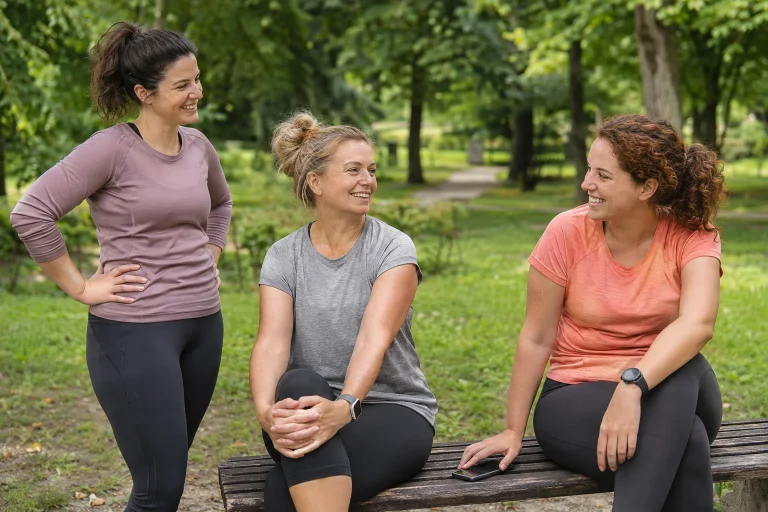
You may have had several periods when a weight-loss goal prompted activity, then the whole sporting plan ended as weight returned. Starting again can feel like another test: this time it finally has to work, otherwise everything was pointless again. Yet choosing your next activity goal can be a different question from reassessing past weight changes. You do not need to label your entire history a single success or failure.
This overview is not a weight-loss programme and does not promise a lasting weight result. It helps separate experiences worth retaining from earlier situations, circumstances to address today and questions requiring healthcare. Activity does not necessarily begin with running, and the same starting point is not appropriate for every health situation. Your current condition and preferences belong in your sporting goal too, not only a previous scale reading.
Do not review your history as a single series of numbers
Looking back, you often remember a period’s starting and finishing weight. That leaves much out: your work schedule, travel involved in exercise, supportive company and how well the programme fitted your days. The NICE principles of care value consideration of weight history, previous experiences and current health circumstances. This is a respectful approach to care, not rescoring earlier attempts.
A few specific memories may be enough for your own review: where you exercised, why going there felt good and which part became difficult to sustain. You do not need to retrieve logs from every previous year. If all you know is that a group walk was enjoyable but weekly travel took too long, you have already found two separate pieces of information. The positive social experience can remain a criterion, while the travel difficulty may need different arrangements now.
Do not retrospectively guess the reason it ended as a moral characteristic either. Stopping a programme does not, by itself, reveal how much you wanted it or what the next opportunity will be like. There may have been circumstances you see more clearly today, as well as others you do not remember precisely. You do not need to fill missing information with self-blame. If the previous period brought health or emotional burdens, professional help can be part of discussing them.
Separate activity from the package of rules attached to it
An old plan may have combined group running, strict food rules, compulsory weigh-ins and public weekly comparisons. If the whole became a bad experience, it is easy to put activity itself in the same box. Examine the elements separately. Did you enjoy time in the park? Was the session time impossible to maintain? Or did publication of results make every meeting tense?
This is not about manufacturing a positive lesson from an unpleasant programme at any cost. It lets you avoid buying the entire same package again when you want only one part. You can look for social activity without a compulsory weight-loss contest. Individual walking can be arranged without a public log. Professional sporting support can be discussed separately from healthcare weight management, even if the two need coordinating later.
Say which part you do not want to repeat. For example: “I was interested in the group session, but the weekly weight list was stressful.” This gives a new organiser or coach more usable information than saying it “didn’t work” before. The sentence identifies a specific condition. You do not need to share every old measurement or intimate detail; explain enough to understand the current arrangement.
 Enlarge image
What differs today from the previous start?
You are not fitting the old programme back into an identical life. Age, health, work, family duties or neighbourhood may have changed. The activity you enjoy now can differ too. The NIDDK information on starting activity recommends reviewing preferred activities, achievable goals and specific barriers. We do not turn this into the same weekly amount or compulsory starting task for every reader.
First describe the opportunity rather than the commitment. Which location is accessible, when do you have help with responsibilities at home and how long is the entire door-to-door trip? A previous evening class may no longer fit, while a daytime session does. That means different organisation, not less determination. A new plan becomes personal by starting from your current days.
Current symptoms and healthcare treatment cannot be assessed from old memories either. Once managing a particular load well does not mean that is where you should resume now. Equally, earlier weight changes do not decide today’s options on their own. Clarify current health questions with the appropriate professional; copying an old plan or imposing a ban based on your body size does not replace this.
Name a goal whose practical route you understand
“This time I’ll finally sort myself out for good” places a heavy burden on one exercise session. It does not clearly identify the next specific step or what would make participation valuable. Instead, state a sporting question: you want to find an accessible group, learn to request a modification or rebuild an activity situation that suits you. These also need an individual health framework, but reaching a predetermined body size is not their only meaning.
The NICE recommendations on physical activity for adults explain that other health benefits of activity matter even without weight loss. This does not make individual healthcare goals unnecessary. It helps prevent a session’s value depending solely on a later scale result. Improving how your activity routine works can be a goal even if you address weight management through separate care.
Add an observable everyday circumstance to the goal. Alongside “find a group”, for example, put getting to know the meeting place and participation arrangements beforehand. Alongside “a more comfortable start”, put keeping clothing accessible and avoiding a last-minute route search. These do not guarantee health outcomes or replace choosing suitable activity. They clarify what you can actually try in your own arrangements.
Do not turn a participation goal into another performance test
An excessively strict standard can arise without weighing if every missed session becomes failure or the whole programme’s value depends on an unbroken streak. A participation goal helps when it gives information: which time is sustainable and where another solution is needed. It does not work by allowing no deviation. A reason for missing a session may be more useful in a log than a ticked task concealing symptoms or forced rushing.
Separate intention and circumstances beforehand. You want to attend, but illness, care duties or transport problems may intervene. You do not need to “repay” a missed session afterwards with a harder one. Discuss how to continue from the actual situation, with professional help where needed. The goal is not working off absences but organising a manageable sporting life.
If reward and punishment governed activity in the old programme, reconsider the language in the new framework too. A missed session is not a debt, a walk is not compensation for eating and a rest day does not prove a lack of motivation. These are personal organisational considerations, not psychotherapy exercises. If the sense of compulsory compliance is strong or persistent, you may need more help than a new sentence in the calendar.
Retain experience without demanding your old body back
You may remember an earlier route or garment precisely and connect them with the feeling that things “went well”. From that experience, retain enjoying the waterside, social conversation or a calm start. Your current activity can have value without restoring the same pace, distance or clothing size. Separating preference from performance data leaves more possible solutions open.
Review equipment according to today’s fit. A former favourite may hold a good memory, but does not need to remain a motivational condition if it now pinches, rubs or restricts you. Usability need not be postponed until future weight loss. Likewise, review an old route for present access, surfaces, turning-back options and safety. A familiar place does not oblige you to repeat the old achievement.
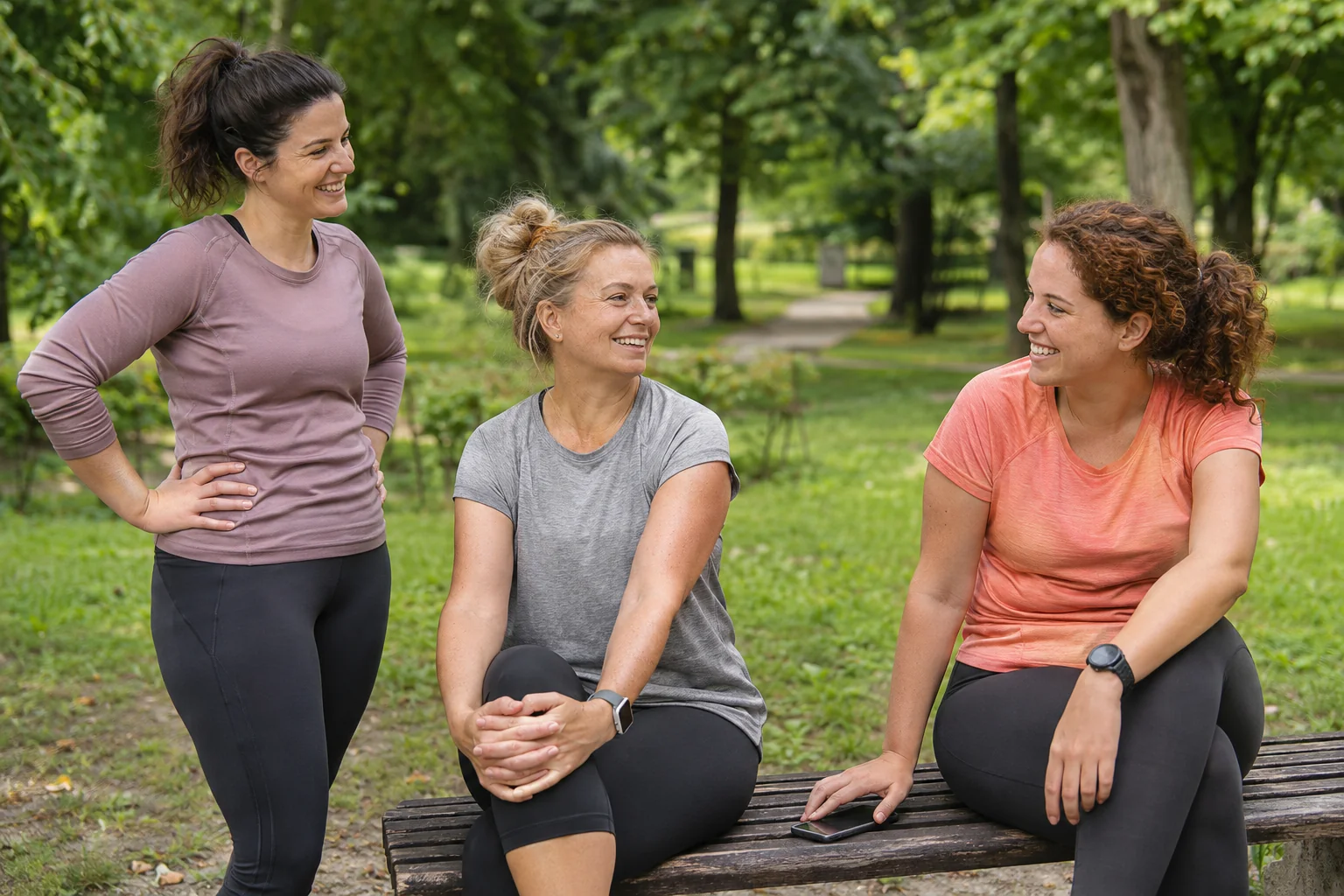
Social connections can also continue under new conditions. Tell a former training partner if you now want an agreed meeting and flexible participation rather than comparison or encouragement to lose weight. You do not have to wait until conversation takes an uncomfortable turn. A specific request can help a supportive companion offer what you actually need instead of trying to motivate you from the old goal’s memory.
 Enlarge image
When is it worth seeking help with the old cycle?
If earlier attempts involved extreme food restriction, feeling unwell, loss of control or compensatory, compulsive activity, discussing this with a healthcare professional may be important. You do not have to decide from your weight whether the problem is “serious enough”. The NICE recommendations on eating-disorder care advise against deciding care needs solely from BMI or duration of the problem. This article does not, however, diagnose from a few life situations.
You do not need to organise every earlier detail before seeking help. Describe what burdens you now: anxiety about eating, compulsion around the scale, difficulty resting or sport appearing only as punishment. If you already have a care plan, discuss activity decisions as part of it. A general beginner article cannot override individual care or advise continuing to run through symptoms.
Appropriate support need not be only a medical discussion, but each person’s task should be clear. A coach can help understand a sporting situation within their competence; dietitians and mental-health professionals may address other questions. You do not have to expect every answer from one person. When several burdens meet around restarting activity, coordinated help may be more useful than another strict promise to follow alone.
A current plan in which the past remains information
The following example is fictional. Julia previously attended a distant group where she enjoyed the company but found the weekly weight list and travel stressful. Her current goal is not to repeat that period but to find accessible activity. Before signing up, she asks about the location, modifications and participation without weighing. She clarifies any health question separately. What remains from the past is the wish for social activity, rather than the entire old package of rules.
In another fictional situation, Martin realises that individual activity currently feels calmer. He does not have to reject groups permanently or make a later decision today. Within his own health framework, he looks for an option that fits his days. The two examples do not establish that one activity format is better than another; they show that a personal goal cannot be read from previous weight history.
Before starting again, therefore, clarify three things: which experience you are keeping, which circumstance you are arranging differently and what you need help with. You do not have to close or rewrite your entire past to name them. Your current sporting decision can have its own meaning, not determined by a previous weight-loss result or its reversal.
Sources and editorial context
NICE NG246: Principles of care; NIDDK: Tips for Starting Physical Activity; NICE NG69: Eating disorders, recommendations; NICE NG246: Physical activity and diet. The situations are original fictional examples. The article does not diagnose the cause of weight changes or recommend an individual weight-loss or running-load target.
How Futószív articles are prepared: our editorial guidelines.