A cold breakfast taken to work is not simply a home plate moved into a container. Transport, storage and the actual eating place change which combinations are convenient and appropriate. A wet topping may soak bread, cereal may lose its preferred texture and chilled ingredients may need appropriate cooling. A good packed meal therefore accounts for breakfast’s whole journey. This article offers everyday food-preparation ideas for healthy adults without a personalised diet or portions prescribed for training. Follow known allergies and individual dietary restrictions in every choice.
Where will you actually eat?
First clarify whether breakfast appears at home, after arriving at work or in another suitable place. Are a fridge, table, handwashing and cutlery available? How long passes between removal from the home fridge and eating, and what transport happens meanwhile? “Cold breakfast” does not mean food can safely wait at any temperature. Storage conditions depend on ingredients and product instructions. Suitable choices become workable only with these understood, not merely because flavours combine well.
If a workplace fridge is uncertain or inaccessible, do not automatically regard your usual chilled bowl as appropriate. Seek another choice fitting your diet, safe transport arrangements or suitable on-site food availability. Breakfast’s journey cannot be ticked off with the name “cool bag” without knowing its conditions of use. Actual cooling needs to suffice for actual circumstances. Keep uncertainty visible and have another usable option if original workplace conditions change.
Separate nutrition questions from packing
An appropriate container does not automatically make a meal sufficient, and an attractively planned dish does not establish correct transport. Personal needs and food choices are one task; safe, convenient access is another. The MDOSZ adult OKOSTÁNYÉR guide can help understand general food choices as a whole. Assess amounts and timing for individual sports nutrition goals separately alongside personal circumstances. Standard container compartments are not a personalised portion model.
Choose a favourite meal option you can handle appropriately. Packing may involve several small elements or one bowl; neither is compulsory. Too many separate containers mean more cleaning and lids to lose, while too little separation may cause texture problems. Seek the smallest set that actually works for your food. Food, container and routine together create the solution. The task is making real eating easier, not copying an ideal social-media breakfast box.
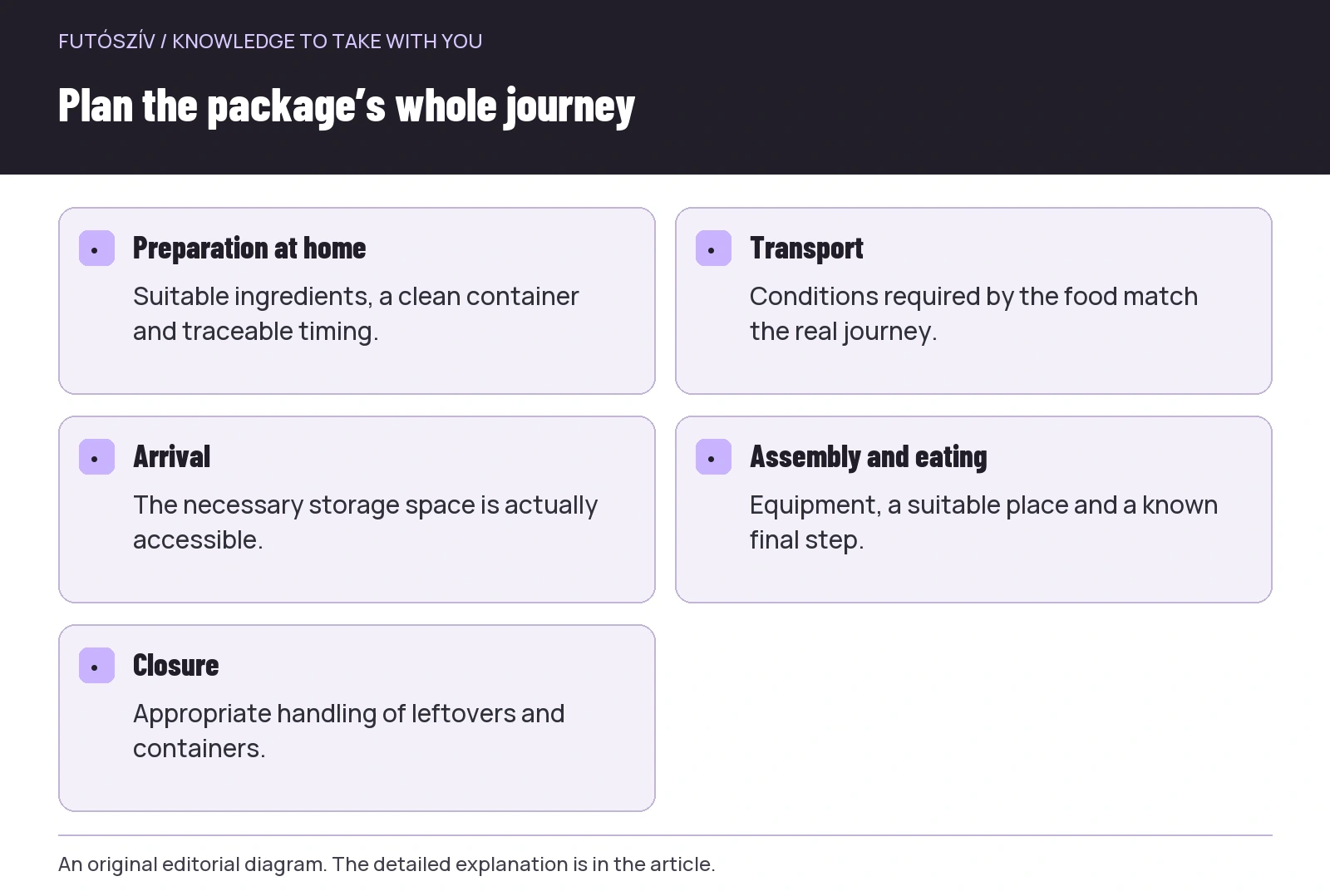 Enlarge diagram
Text version of the diagram
- Preparation at home
- Suitable ingredients, a clean container and traceable timing.
- Transport
- Conditions required by the food match the real journey.
- Arrival
- The necessary storage space is actually accessible.
- Assembly and eating
- Equipment, a suitable place and a known final step.
- Closure
- Appropriate handling of leftovers and containers.
First direction: a bread base and separate wet topping
With bread or another appropriate base fitting your diet, choose suitable spreads, toppings and appropriately prepared additions. If an element quickly soaks the base, keep it separate until serving under appropriate storage conditions. A few movements then assemble the meal on arrival. Separate packing does not remove refrigeration needs; it may help only texture and assembly. Match the complete dish’s amount and composition to your needs; toppings are not always nutritionally equivalent substitutes.
Consider whether the final spreading or assembly is actually possible where you eat. Without a suitable surface or tool, an already prepared, appropriately transportable version may be more convenient. Decide according to actual use. A spread container opening unexpectedly or an overcrowded compartment quickly adds work. You can calmly check the package once without food too: does the lid close, does cutlery fit and is every part accessible? This is a simple organising trial, not manufacturer certification of leakproof performance.
Second direction: a chilled cereal-based bowl
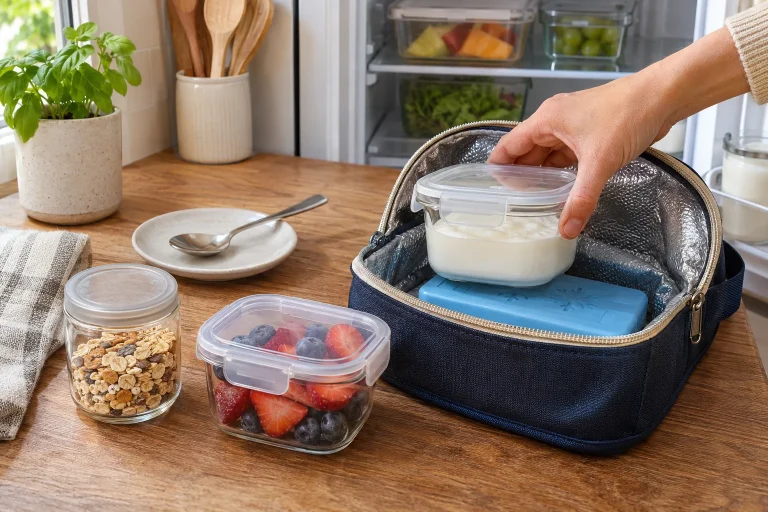
A suitably chosen cereal base, a dairy or other appropriate product fitting your diet and properly handled fruit can form a cold breakfast option. Crunchy toppings can remain separate until eating if suitable for the ingredient. The Health Canada overnight oats recipe provides a specific refrigerated-preparation example and treats fruit added at serving as a separate step. This is not permission to prepare every cereal product identically; follow your particular product and recipe.
Have a suitable spoon and enough mixing space if adding toppings only on arrival. A jar filled to the rim makes tidy mixing difficult. If ingredients thicken or produce a different texture in your recipe, record this for the proven version. Avoid an unfamiliar, untried base on a rushed day without time to adjust. Personal suitability and quantity still require separate consideration; a recipe’s “one portion” does not precisely determine every runner’s needs.
Third direction: a breakfast bowl of separate elements
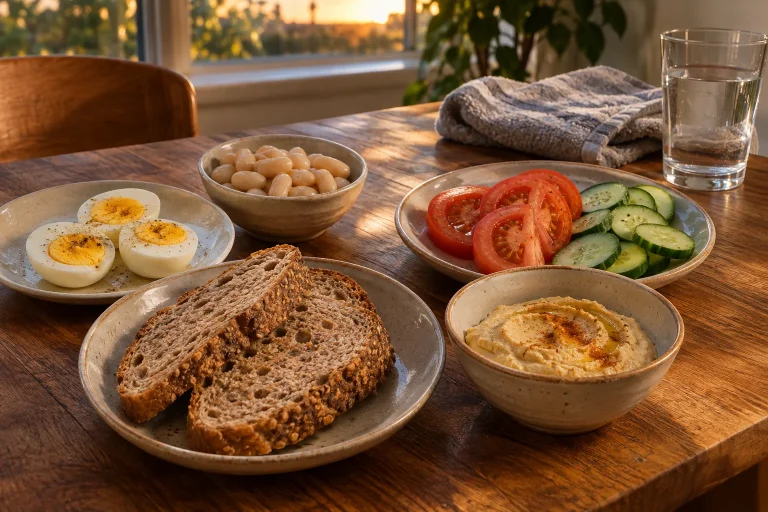
Some prefer keeping suitable bread, toppings, vegetables or fruit and other necessary additions separate. Choices can then adapt on site, without dozens of tiny elements. Assemble a favourite set fitting your diet while preserving appropriate refrigeration and separation. A compartmented box does not itself ensure allergen-free handling; follow the relevant instructions for a known allergy separately. Kitchen separation supports texture and organisation, not every health question.
Do not choose elements only by colour. A complete meal’s suitability depends on your needs, and variety does not mean compulsorily filling every compartment. If an element regularly remains uneaten, ask why it was included. Quantity, disliked texture or an unsuitable eating place may be responsible. Change one specific point in the next package. In a good box, parts have real roles rather than only a neat appearance. Eating and subsequent container care contribute to success just as assembly at home does.
Fourth direction: a simple dish finished on site
If workplace conditions definitely allow it, a suitable meal’s final assembly step can happen there. For example, a separately stored appropriate topping goes onto your base, or a prepared chilled ingredient is mixed as specified at serving. Necessary hygiene, storage and equipment must actually be available. Do not rely on shared kitchen equipment if its usability then is uncertain. Keep the final step small and familiar rather than moving all breakfast cooking to a poorly equipped place.
If several people share the fridge or kitchen, identify your container and follow shared storage rules. Necessary ingredients should not remain open on the counter for a long time because of other tasks. Deal with leftovers and the container afterwards too. Workplace breakfast becomes convenient when the whole workflow fits, from preparation after arrival through cleaning. The package remains a real solution rather than another unfinished task at the day’s start.
| Combination | What can go separately? | What should you check before leaving? |
|---|---|---|
| Bread-based | The wet topping or addition. | Is there a suitable place and tool for assembly? |
| Chilled cereal bowl | A suitable crunchy element and serving topping. | Required refrigeration, spoon and mixing space. |
| Separate-element bowl | Ingredients suited to your needs. | Do compartments serve actual purposes? |
| Finished on site | Prepared basics transported safely. | Are necessary conditions definitely available? |
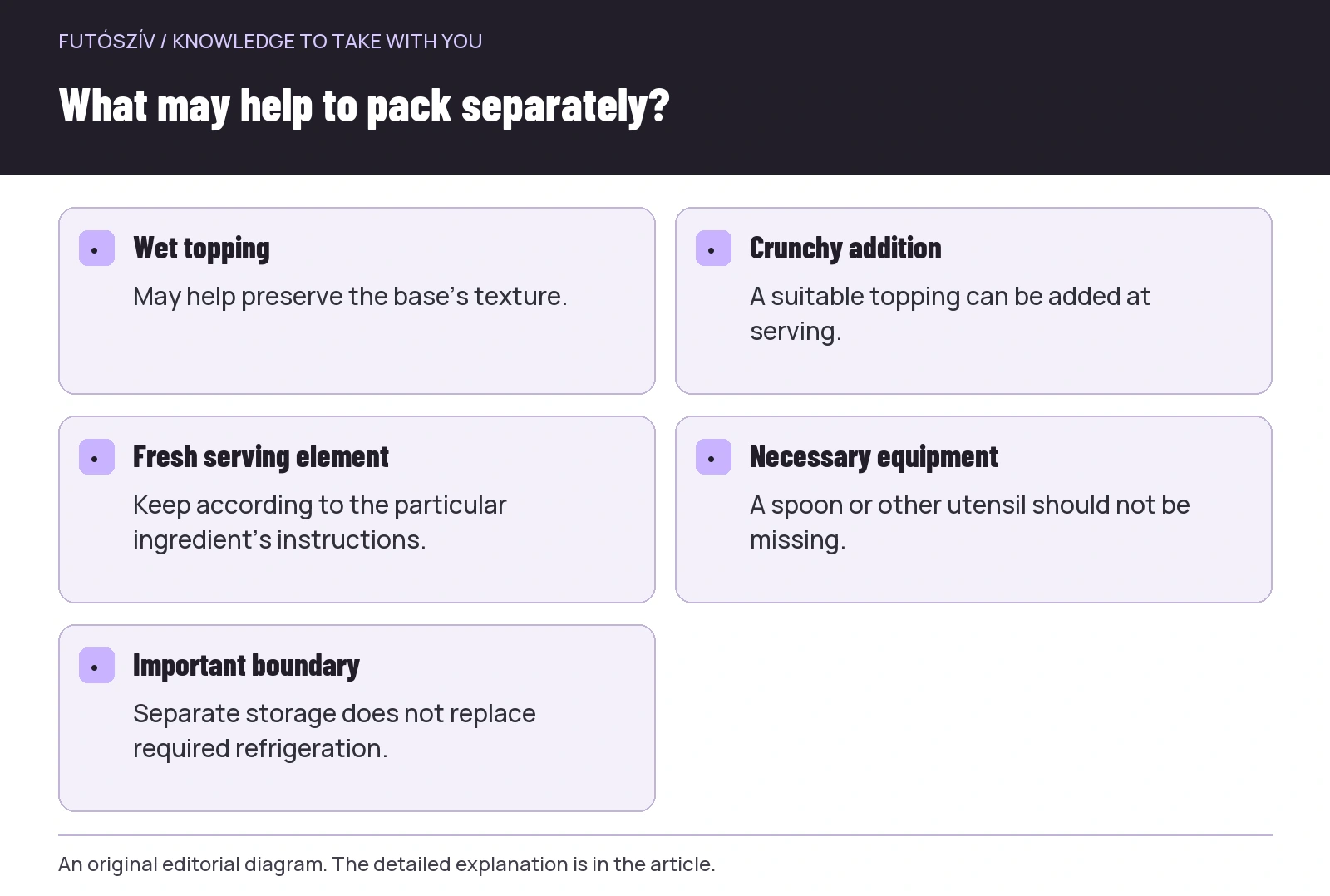 Enlarge diagram
Text version of the diagram
- Wet topping
- May help preserve the base’s texture.
- Crunchy addition
- A suitable topping can be added at serving.
- Fresh serving element
- Keep according to the particular ingredient’s instructions.
- Necessary equipment
- A spoon or other utensil should not be missing.
- Important boundary
- Separate storage does not replace required refrigeration.
Make the refrigeration journey understandable without gaps
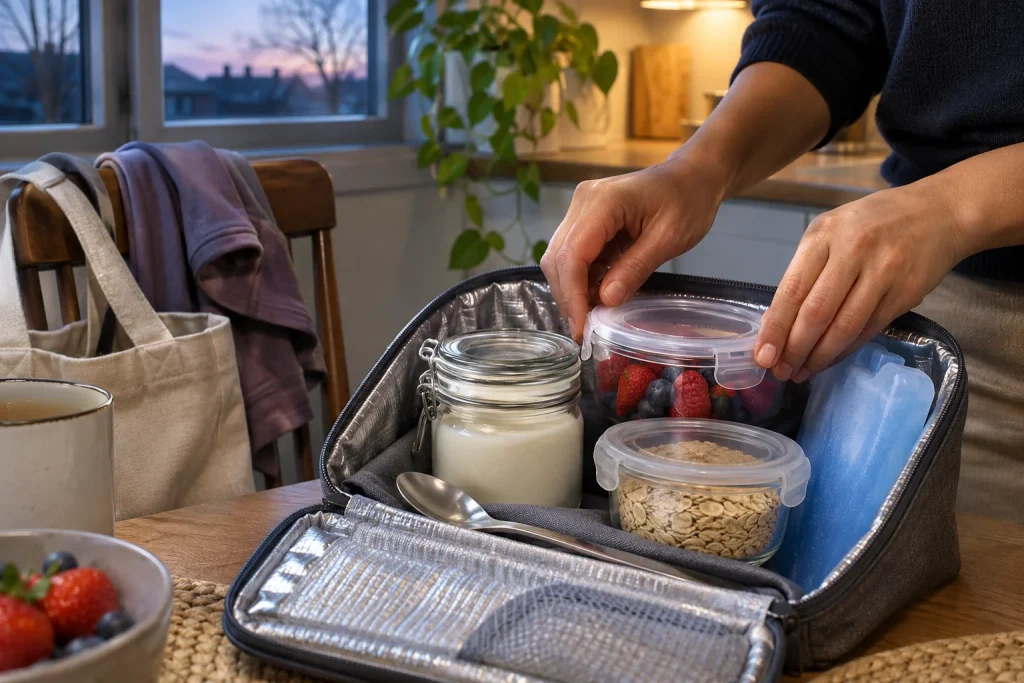
The Nébih Shop Wisely publication also emphasises keeping necessary products cold and appropriately separated during transport. The principle for breakfast taken to work is the same: know where food moves and how required conditions are provided. Adding a morning run or transport can extend the journey. Consider this before choosing. Proper use of cool bags and ice packs depends on products and circumstances; there is no single certain number of hours for every package, weather and duration.
A container being leakproof is different from food having the appropriate temperature. A good lid may protect the bag interior but does not itself cool. Insulated storage also depends on proper use. If refrigeration is needed on arrival, put the package in the appropriate place instead of leaving it on the desk until morning tasks finish. If storage history is uncertain, do not try to establish suitability solely through tasting. A safe plan means preventive measures, not retrospective guessing.
Keep opening and preparation information traceable
If moving an ingredient from original packaging into another container, retain necessary product information and opening or preparation time. A new container does not start a new storage period. The Nébih menu-planning material also guides further use of prepared meals alongside appropriate storage conditions. Do not automatically apply one rule to every ingredient in several days of breakfasts. The particular food and product instructions set conditions; your notes make these traceable.
If preparing several breakfasts, identify days and contents and count only genuinely appropriate storage periods. You need not fill many identical containers at once every week. Organising dry elements separately and leaving some fresh-assembly steps can be more flexible. Changing routines cannot extend chilled prepared food’s use period indefinitely. Appropriate quantities, packaging and labels together reduce unnecessary supplies while keeping breakfast accessible.
Give the packed meal a place within the whole day’s eating
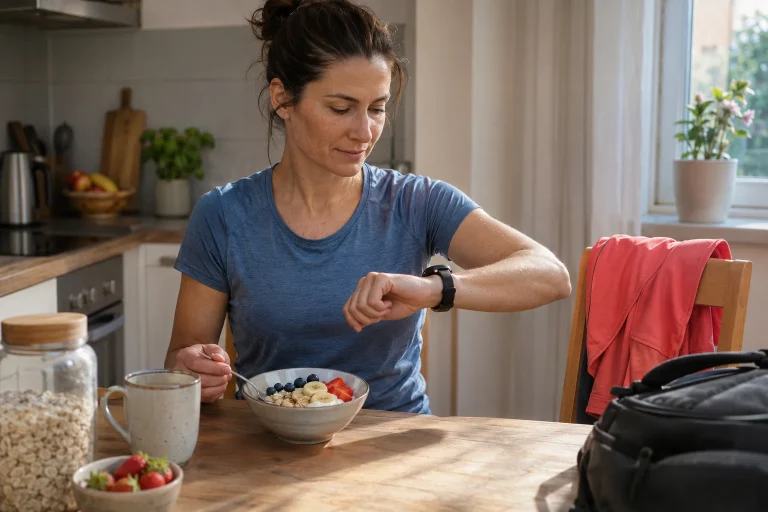
A packed breakfast can be an important part of your routine without solving nutrition for the entire day. If running also takes place in the morning, adapt timing and quantity to personal needs and comfort. Workplace breakfast need not automatically be compulsory instead of or alongside an earlier meal. Assessment of the whole situation matters, with a sports dietitian where necessary. Kitchen organisation aims to provide appropriate opportunities, not prescribe a rigid meal count or identical box contents for every runner.
After the first few occasions, examine what worked. Texture, quantity, transportability and on-site access are separate questions. If bread became soggy, assembly order may need changing. If refrigeration is unresolved, a different complete solution is needed. If the dish does not fit personal needs, changing packaging is insufficient. Targeted improvement helps cold breakfast actually ease the day’s start. A good combination works all the way from the home kitchen to the real eating place.
Sources and further reading
- MDOSZ: OKOSTÁNYÉR for adults
- Health Canada: Classic overnight oats
- Nébih: Shop wisely
- Nébih: Menu planning without leftovers
How Futószív articles are prepared: our editorial guidelines.