
The aim of a warm-up is to prepare the body’s muscles and joints for the demands of running. Blood flow increases during the warm-up, muscles and joints become more flexible, and injury risk decreases.
- General warm-up: This part begins with a gradual increase in heart rate and breathing rate. Walking, jogging or running on the spot can be used for warming up.
- Specific warm-up: Continue by moving the muscles and joints used in running. The exercises can be dynamic or static.
Dynamic warm-up exercises:
- Head circles
- Shoulder circles
- Arm circles
- Torso circles
- Hip circles
- Running on the spot with high knees, then heel lifts
- Knee circles
- Ankle circles
Static warm-up exercises:
- Upper-arm stretch
- Back stretch
- Hip stretch
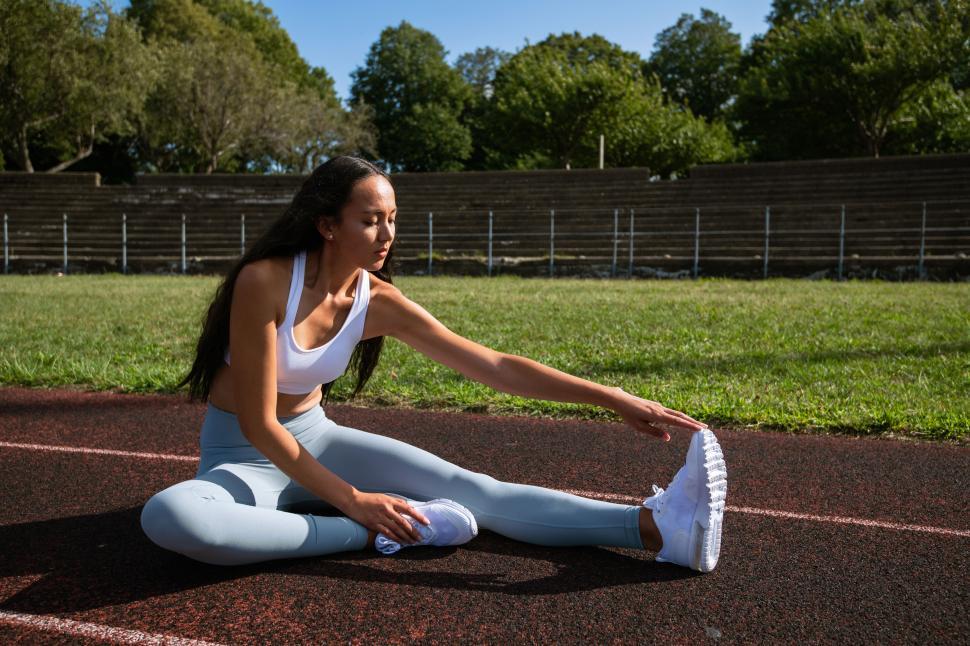
- Leg stretch
Stretching after running: Stretching aims to increase muscle flexibility and reduce the risk of post-exercise muscle soreness. After running, perform the stretching in the reverse order to the warm-up.Editorial clarification · 22 November 2026. Stretching can have range-of-motion goals, but it should not be presented as reliable prevention of delayed-onset soreness. The cited Cochrane review found no clinically important reduction. Source
The parts of a stretching session:
- General stretching: Begin by moving the whole body. The exercises may be static or dynamic.
- Specific stretching: Continue by stretching the muscles and joints used in running. Hold the exercises for 15–30 seconds.
Static stretching exercises:
- Upper-arm stretch
- Back stretch
- Back stretch after running
- Hip stretch
- Leg stretch
Dynamic stretching exercises:
- Running circles
- Knee circles
- Ankle circles
Important notes:
- The duration of warming up and stretching depends on the length and intensity of the run.
- If you are a beginner, start warming up and stretching slowly, gradually increasing the duration and intensity of the exercises.
- If you have an injury, consult your doctor!
How Futószív articles are prepared: our editorial guidelines.


