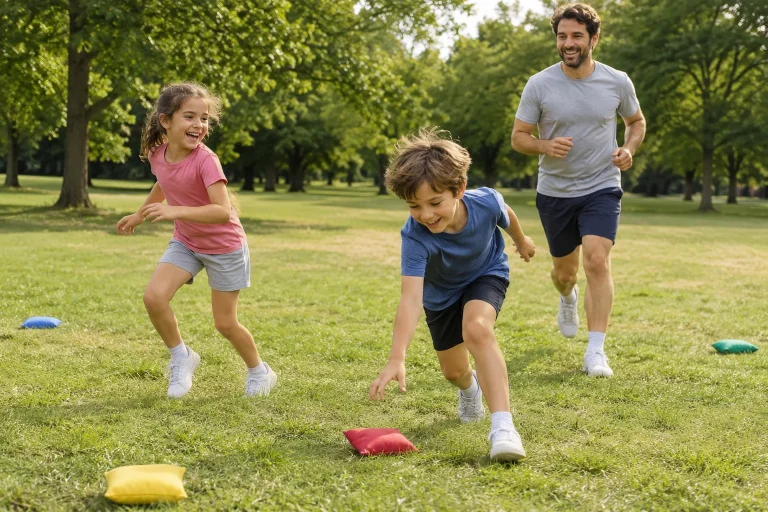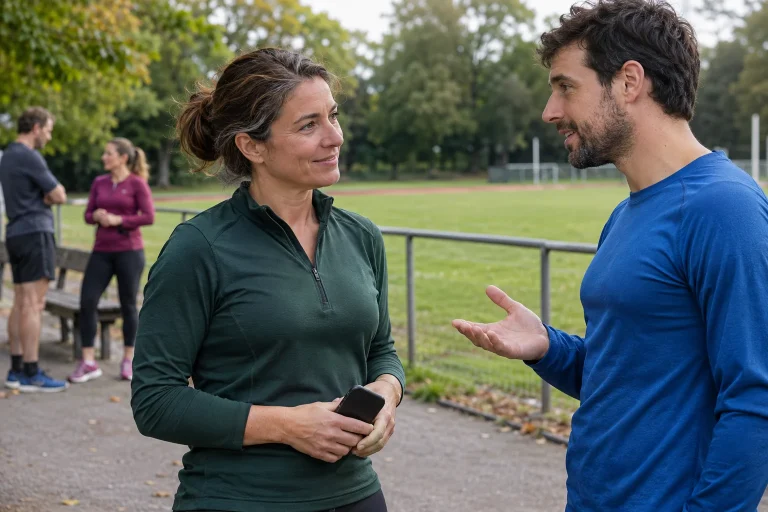
Not everyone in a family running programme wants to run every time. It may be a momentary decision, another interest or simply wanting to look around now. Shared participation does not require everyone to do the same thing. Offer optional roles with real meaning rather than presenting them as punishment or tasks owed for running.
Offering a role in the title therefore means an invitation. Children and adult family members should be able to say they would simply be present today or choose another programme according to available options. The suggestions below concern everyday family organisation. At official races, the organiser always governs staff roles, entry conditions and children’s participation.
Understand the no before offering another option
“I do not want to run” need not immediately receive another task. First ask whether the whole programme is unappealing, the running part is unattractive or a particular detail has changed. The answer need not be a long explanation. A family member may happily come with you without joining the course now.
Do not turn the answer into negotiations in which only an eventual yes is acceptable. Someone not running need not carry everyone’s bags or photograph the entire time in exchange. Shared family tasks can be discussed but should not arise as consequences of declining to start. Agreed help differs from hidden punishment.
The Play Their Way resource on children’s views discusses the relationship between speaking up and opinions actually being considered. In a family setting, explain what changes because of the child’s request. If they want to observe rather than run, for example, make that a genuine possibility rather than expected running under another name.
Participation can have several layers
Distinguish joining the active part, shared presence at the venue and connecting from home or later. Someone may stay with the family through a short walk, while another waits at an agreed base with an adult. Some days a person may not want to attend at all, requiring another agreement within family possibilities.
Choice does not arrange supervision on its own. If a child does not join the running part, they need a designated adult and a genuinely manageable programme. An older sibling’s presence is no automatic solution, and an event centre is not general childcare. Adults’ own running plans need to match this real rota.
Do not assume a non-running adult family member will be available indefinitely either. Ask whether they would like to remain near the meeting point or plan something else. If accepting time with children, the task’s start, end and content should be clear. “You are not running anyway” does not replace agreement.
 Enlarge diagram
Text version of the diagram
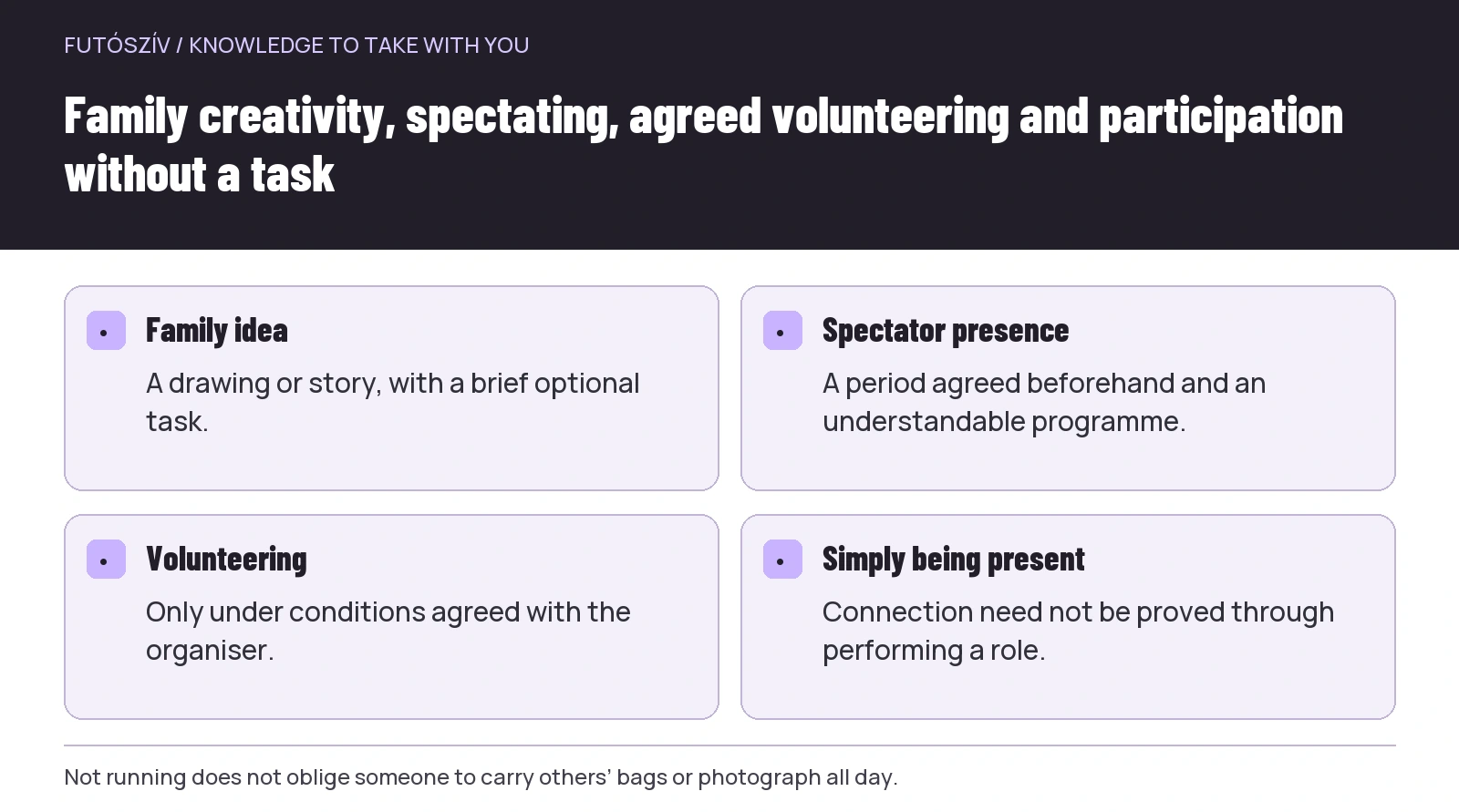
- Family idea
- A drawing or story, with a brief optional task.
- Spectator presence
- A period agreed beforehand and an understandable programme.
- Volunteering
- Only under conditions agreed with the organiser.
- Simply being present
- Connection need not be proved through performing a role.
Three conditions for a useful optional role
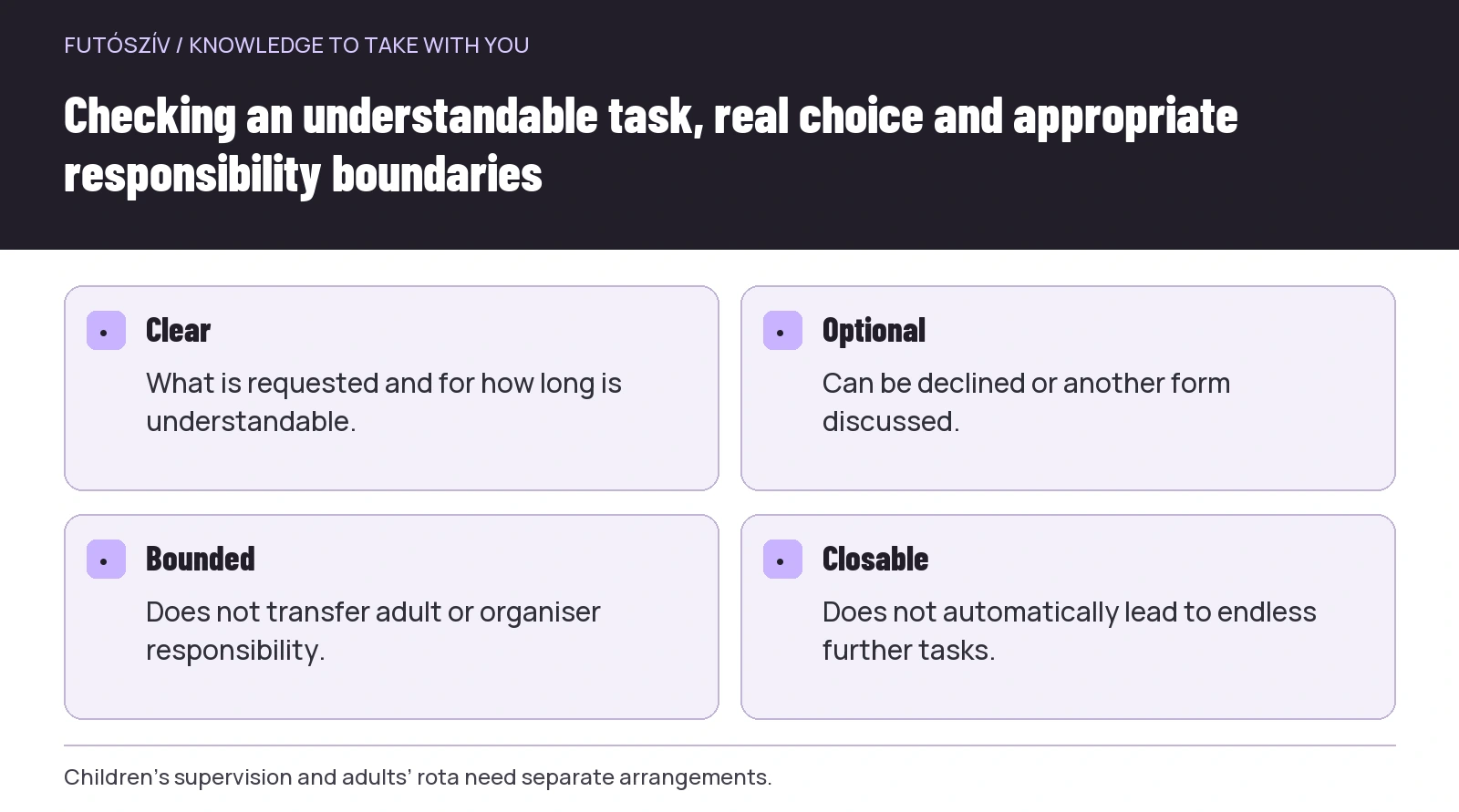
The first is clarity: the person knows what you ask, how long it lasts and how the result will be used. The second is real choice: declining or requesting another task is possible. The third is appropriate boundaries: the task does not transfer adult responsibility or exceed organiser authority at an official event.
For example, during a family walk someone can suggest story ideas. This is a brief, understandable role requiring neither going farther away nor responsibility for others. Making a child “route manager” in an unfamiliar place is different. A playful title does not change who can navigate or is responsible for actual decisions.
The role’s end should also be visible. Someone agreeing to a shared drawing should not automatically receive repeated further tasks once finished. Agreeing to watch briefly for a family member’s finish should not become all-day duty. Well-defined participation is easier to accept than a vague, endless request for help.
Original family-role ideas requiring no running
The examples below are ideas for home or shared leisure programmes, not official race-volunteering jobs. Match location, equipment and supervision to actual family circumstances, and do not make any role a condition of being there.
| Optional role | What could the task be? | Where is its limit? |
|---|---|---|
| Story idea creator | Invents characters for an imaginary shared journey | Need not tell the story or move throughout |
| Memory-sheet creator | Chooses a drawing, word or title for the day | Need not appear in a photo |
| Family greeter | Welcomes returners at a preagreed point | Finding everyone is not their task |
| Detail observer | Chooses something interesting about the place | Need not collect or take an object |
| Shared programme chooser | Helps choose between two real options | Does not solve the adults’ schedule |
| Simply present | Talks, looks around or stays quiet | Need not prove participation by performing a role |
The table’s final row is as valid as the others. Roles aim to ease connection, not immediately fill an empty space on the family task sheet. Joining one part of the day while resting or focusing elsewhere in another can also be arranged predictably.
Photography should not be an automatic substitute task
Non-running family members often immediately become photographers. Ask about this separately too. They may enjoy taking a few pictures without wanting to watch every finish, search for a good position among strangers or hold a phone all day. An unsuccessful photo should not make them responsible for the shared memory.
If a child wants to take pictures, adult supervision and venue rules remain important. A family photo task does not permit entering the course, leaning in front of others or leaving the designated area. Choose a point and short task remaining within the shared programme. The camera should not distract from actual movement through the venue.
Discuss later use of images separately too. Taking a picture does not mean the photographer must also be photographed or every image automatically becomes public. Good family practice takes requests seriously; public sharing also requires addressing applicable data-protection and personality-rights conditions. This is not a legal consent template.
At an official event, actual volunteering needs separate permission
A family role and volunteering assigned by an organiser are different. Handing out refreshments, directing traffic or runners, recording results and managing entry may belong to organiser systems. Someone cannot independently join these merely because not running today. Advance registration, preparation and age or other conditions may be necessary.
The official Mini London Marathon volunteering page presents several organiser roles and a separate application route. This is an overseas example of varied tasks, not a Hungarian volunteering offer. If interested, find the particular Hungarian event’s own volunteer call and clarify conditions there.
Precise boundaries are especially important with children. The official parkrun volunteering rule on children addresses suitability for tasks and adult proximity within its own system. Do not apply it as a universal Hungarian age limit. The general organising lesson is that children’s participation and supervision require discussion with the organiser together.
 Enlarge diagram
Text version of the diagram
- Clear
- What is requested and for how long is understandable.
- Optional
- Can be declined or another form discussed.
- Bounded
- Does not transfer adult or organiser responsibility.
- Closable
- Does not automatically lead to endless further tasks.
Spectating can also be fully valid participation
Someone not starting need not contribute to operating the event. A family member may choose watching runners, shared conversation or simply getting to know the atmosphere. This remains pleasant when duration and format are understandable beforehand. Spectating is not an automatic promise to remain until the whole event ends.
Agree with the runner what to expect from the family. If attending only one section, do not also promise waiting at the finish. If the venue is too crowded or a child wants another programme, switching to a preagreed alternative should be possible. This does not make support less sincere; it clarifies the presence actually offered.
Encouragement styles can differ too. Someone cheers loudly, another chooses a short personal sentence or a conversation at day’s end. Everyone need not take the same spectacular family role. A running community is also enriched by room for people beyond those equally enthusiastic and behaving identically.
When someone wants to give the role back later
A voluntarily accepted family role can change. If a child no longer wants to tell a story or an adult cannot stay at the meeting point, first arrange the next step. Necessary care or meeting tasks should not be left without an owner. Ending a family task and handing responsibility over properly can both be valid considerations.
In formal volunteering, changes happen in agreement with the organiser. A course-marshal or other designated role cannot simply be abandoned for another activity. Understand this before applying. If that commitment is unwanted, family spectating or a shorter task clarified beforehand may be more suitable.
The adult staying with a child also needs a realistic role. They may not be able simultaneously to photograph actively, manage bags, move with two children and monitor every change in the runner’s status. Instead of piling up tasks, choose what is actually necessary and who accepts it. Omitting an unnecessary task is a good organising decision too.
Two original situations responding to the same sentence
Imagine a family park visit where one child says they do not want to run today. They would happily remain near the shared point with an adult and draw a map for the story. The other adult stays with the sibling joining the running part. Separate participation works only if both adults genuinely accept their tasks and a reunion is arranged.
In another fictional situation, an adult family member does not enter the race and would like to cheer briefly but has other plans later. The family does not automatically give them all bags and finish-line waiting. The runner separately arranges belongings and finishing, while shared support occurs during the accepted period.
Both examples concern the same principle: declining running does not leave an empty space to fill with everyone else’s wishes. Agreement creates a new form of participation. If no workable option exists, change the family programme’s size or time rather than force enthusiasm from the person concerned.
At the end, ask about connection
Ask which part they would join again and what was too long or hard to understand. Do not ask only whether they would run next time. Another invitation makes sense when non-running participation remains accepted in itself, not merely as a temporary state before the entry an adult expects.
The answer can change the next session’s structure. It may mean a shorter shared programme, more optional roles or an entirely different family activity. Loving running does not require every shared day to concern it. Different interests can be included in family time just as different start times can in an event day.
Offering roles helps when connecting becomes easier and saying no does not become more costly. A drawing, story, brief cheering or quiet presence can all be accepted participation. A family agreement’s value comes not from metres run but everyone understanding and genuinely accepting their place in the shared programme.
How Futószív articles are prepared: our editorial guidelines.